





























































































































































































Wheel Alignment: What It Is, What It Costs and When You Need One
Wheel alignment sets your tyre angles so the car drives straight and wears evenly. Here is what camber, toe and caster mean, the warning signs, the cost and when to book one.
Wheel alignment is the adjustment of your wheels' angles, called camber, toe and caster, so they sit correctly relative to each other and to the road. It isn't about the tyres or the wheels themselves. It's about how the suspension holds them. When the angles are right, the car tracks straight, the steering feels sharp and the tyres wear evenly. When they're wrong, the car pulls, the tyres scrub away in a few thousand miles and the steering wheel sits crooked.
It's one of those jobs that gets skipped until something is obviously wrong, and by then you've often chewed through a set of tyres. This guide explains what a wheel alignment actually does, how to spot a car that needs one, what it costs and what changes if you've modified the suspension.
What Is Wheel Alignment?
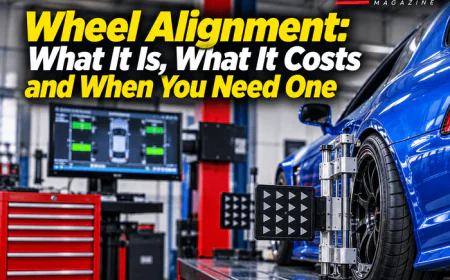
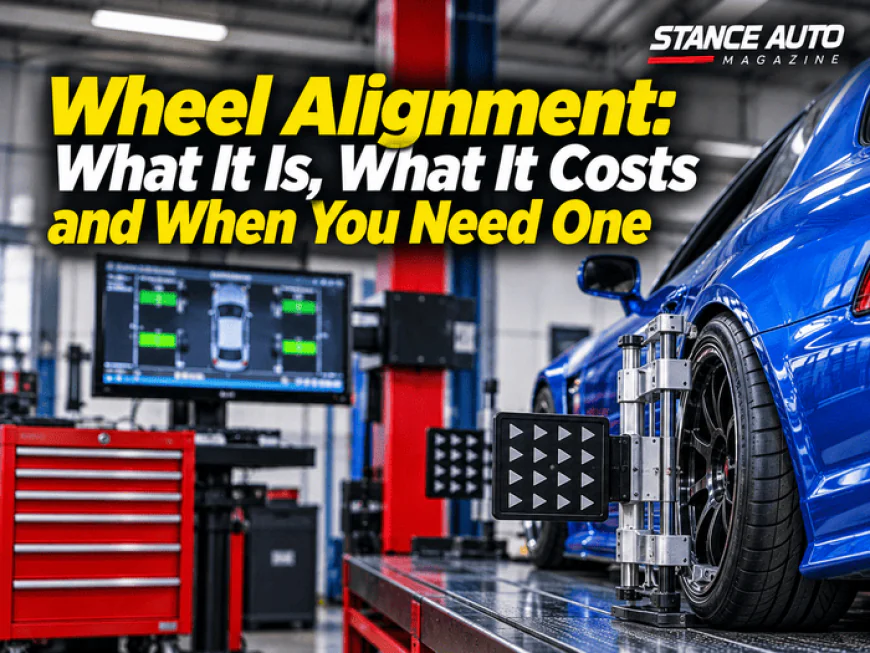
Wheel alignment, sometimes called tracking, is the process of setting the suspension geometry to the manufacturer's specification or to a tuned target. A technician clamps sensors to each wheel, the rig reads the angles and then they adjust tie rods, camber bolts or eccentric arms until the numbers land in range. There are three main angles to know.
Camber is the tilt of the wheel when viewed from the front. Tilt the top inward and that's negative camber, tilt it outward and it's positive. Toe is the direction the wheels point compared with the centerline, like your feet pointing in or out. Caster is the angle of the steering axis when viewed from the side, which affects straight line stability and how the steering self-centers. Together they decide how the tire meets the road, and a few millimeters of toe is enough to change how a car feels.

What Are the Signs You Need a Wheel Alignment?
The main signs you need a wheel alignment are the car pulling to one side, a crooked steering wheel when driving straight, and uneven or rapid tire wear. Look at the tread. If the inner or outer edge is worn down while the rest looks fine, camber is out. If the tread has a feathered or saw-tooth pattern, toe is the likely cause. Both eat tires quickly.
Other clues are steering that feels loose or wanders, a car that doesn't settle back to center after a turn, and squealing tires at low speed. Vibration is usually a balance problem rather than alignment, so don't mix the two up. If you've hit a pothole or kerb hard, got a new set of tires or had any suspension work done, book one regardless. Driving on a bad wheel alignment doesn't just wear tires, it also hurts fuel economy and wet grip.
How Much Does a Wheel Alignment Cost?
A wheel alignment typically costs roughly £50 to £120 or $80 to $200, with four-wheel alignments at the higher end and specialist performance setups costing more. A basic front-wheel check is cheaper, but on most modern cars a full four-wheel alignment is the right choice because the rear axle affects how the car tracks. Many tire shops include a free check or a discount when you buy a set of tires, so it's worth asking.
Performance and race setups cost more because they take longer. A good alignment tech will measure, adjust, test drive and re-measure, rather than just run the machine and hand you a printout. Retailers like Halfords and many independent garages offer alignment, and tire brands such as Michelin publish plenty of guidance on how wear patterns point to alignment faults. For specialist work, look for a shop with a modern rig from a maker like Hunter.
How Often Should You Get a Wheel Alignment?
Get a wheel alignment checked about once a year or every 10,000 to 12,000 miles, and also after new tires, suspension work or any heavy impact. Alignment drifts over time as bushes wear, springs sag and the car takes knocks, so even a car that drives fine can be a little out. Catching it early costs a fraction of replacing tires.
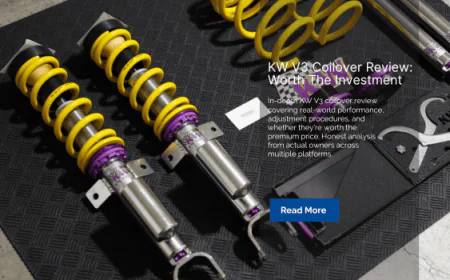
It's worth doing straight after fitting new suspension parts. Springs, coilovers, control arms, tie rods and bushes all change the geometry, and the car needs setting up again once it has settled, which usually means after a few hundred miles. If you're lowering the car, our guide to wheel alignment after lowering covers the specific numbers and what to ask for.
What Is the Difference Between Wheel Alignment and Wheel Balancing?
Wheel alignment sets the angles of the wheels, while wheel balancing corrects uneven weight distribution inside the wheel and tire assembly. People confuse them constantly. Balancing uses small weights on the rim to stop the wheel from vibrating at speed. A car with a balance problem shakes the steering wheel at certain speeds, often around 50 to 70 mph. A car with an alignment problem pulls, wears tires unevenly or drives crooked.
You can need either, both or neither. When you fit new tires you'll almost always get them balanced, and it makes sense to check the alignment at the same time. They're two separate jobs and a shop that only offers one isn't doing you any favors.
Does Wheel Alignment Matter on a Modified Car?
Wheel alignment matters even more on a modified car because lowering, wider wheels and aftermarket suspension all change the geometry the factory designed around. A lowered car will usually run extra negative camber and changed toe, which is why many go through tires faster than stock. Some owners choose this deliberately for the look or for grip. If so, you want the alignment to be set intentionally rather than left to chance, so the car is stable and the tire wear stays manageable.
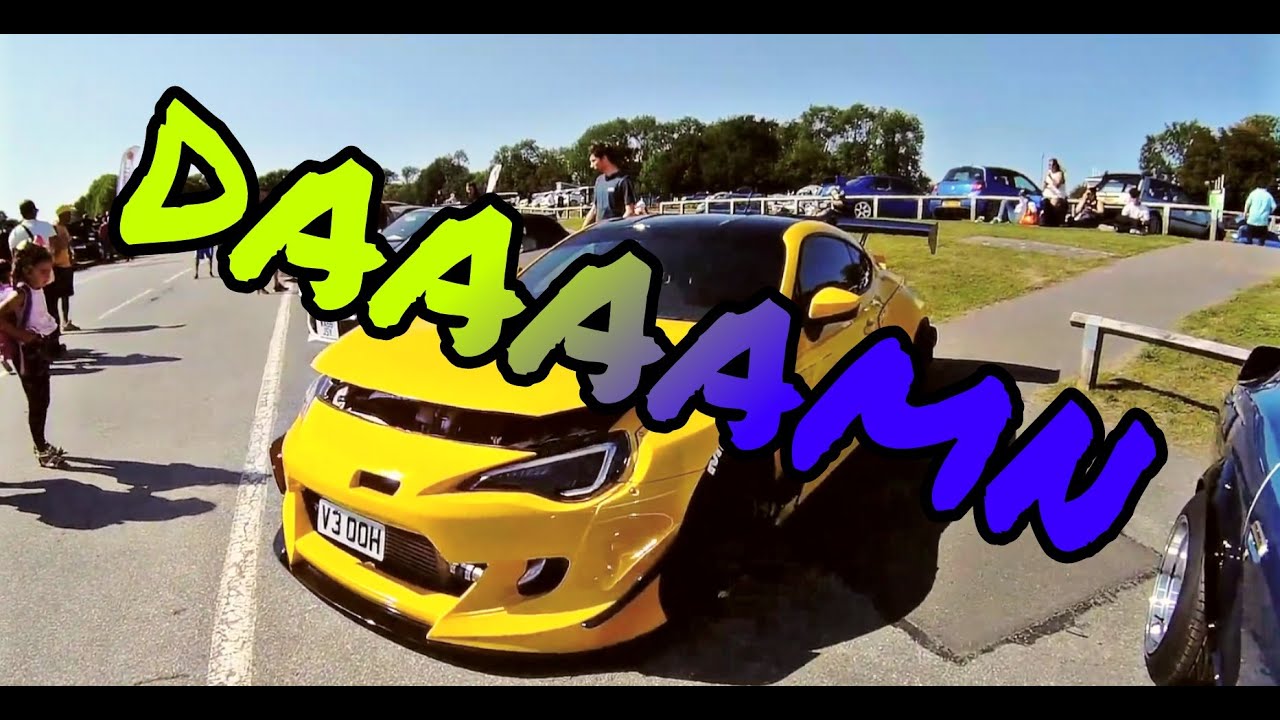
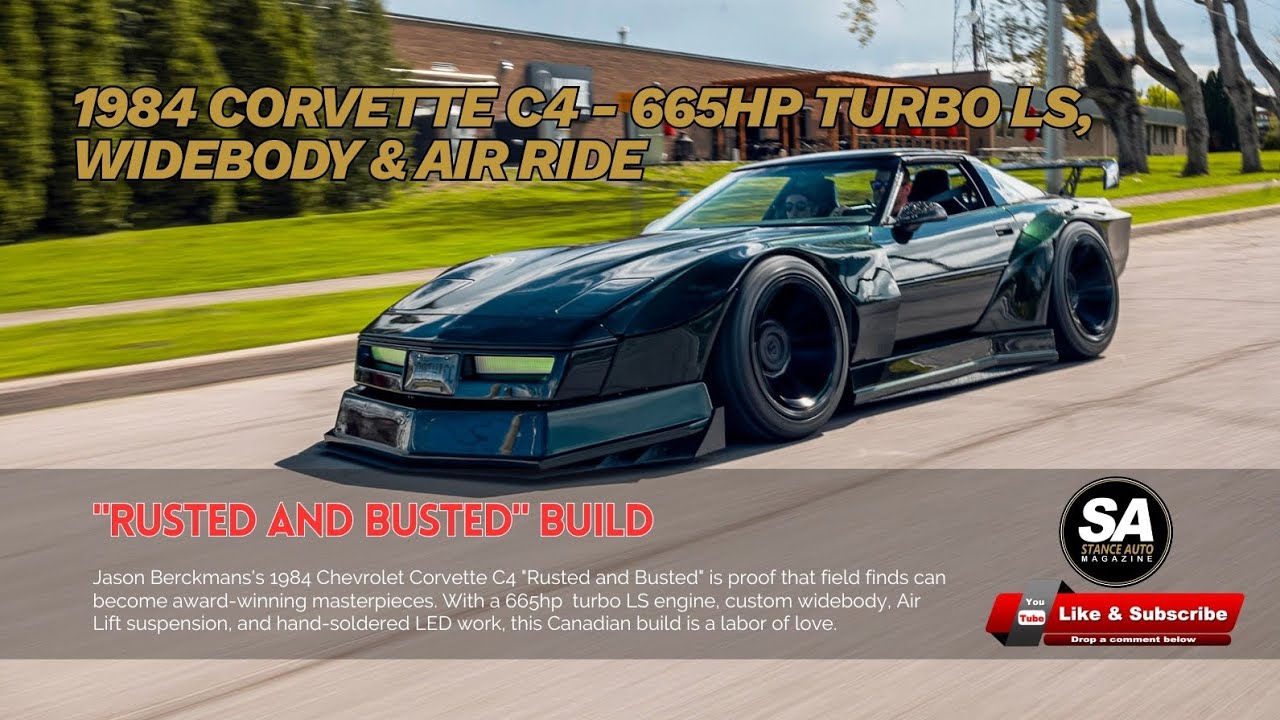
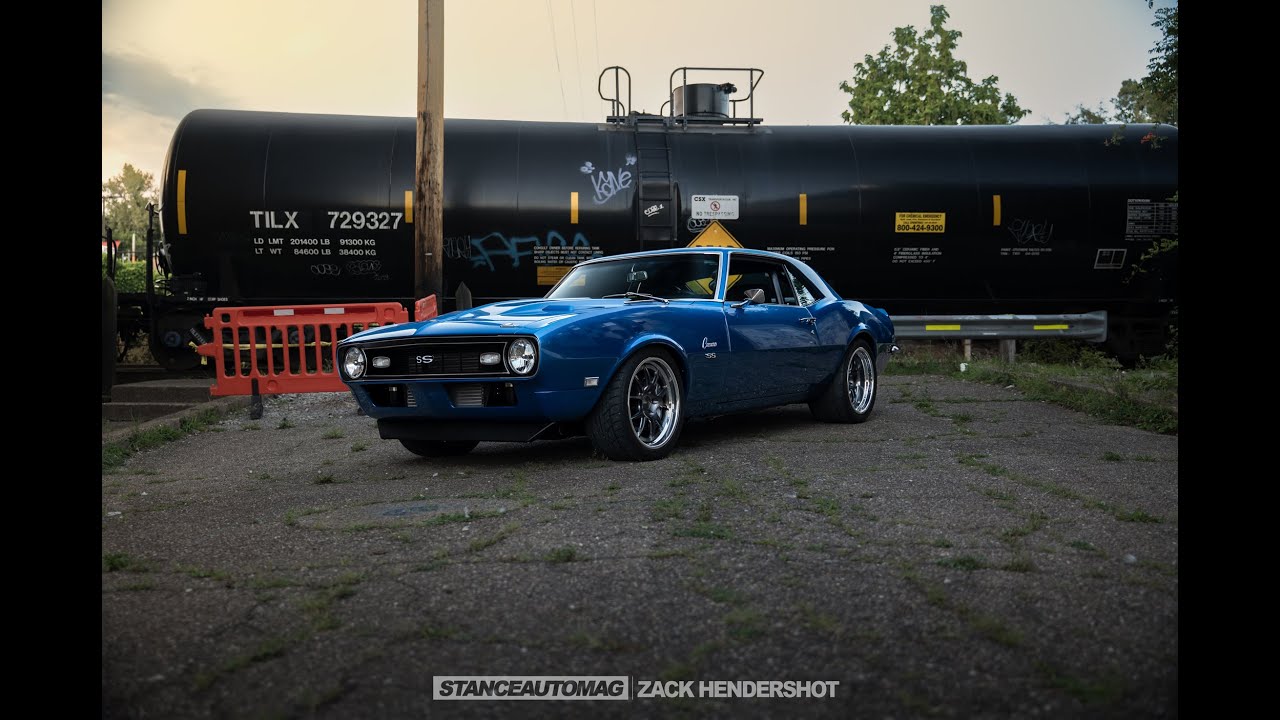
Stance builds are a good example. Extreme camber looks aggressive, but it shrinks the contact patch and wears the inner shoulder quickly. If you want to know how safe that is in practice, our piece on whether extreme camber wheels are dangerous to drive lays out the trade-offs. And if you're chasing a particular fitment, the JDM wheel fitment guide is a good place to understand offset and width before you touch the alignment.
For track and drift cars the alignment is part of the setup. Drift cars often run lots of front caster and a bit of toe-out, grip cars run more negative camber and tuned toe, and the right numbers depend on the tires and the surface. The drift car setup guide goes into it from the sideways point of view.
How Does Modified Suspension Affect Wheel Alignment Adjustment?
Modified suspension can limit how far a wheel alignment can be adjusted, so you may need camber arms, adjustable toe links or eccentric bolts to get the car back in range. Once a car is lowered a lot, the stock adjustment often runs out, and the tech can't bring the camber or toe back inside the legal or sensible window. That's when aftermarket arms become necessary. It's a common surprise for owners who fit coilovers and then find the shop can't align the car properly.
Plan for it. If you're slamming a car, budget for adjustable arms from the start. Air suspension adds another wrinkle, because the car needs to sit at a defined ride height while it's being aligned, and then you drop it afterwards, which changes the angles again. For a car that's legal on the road, check the result against the rules too. Our guide on passing the MOT with modified suspension explains what testers look at.
How Do You Find a Good Wheel Alignment Shop?
A good wheel alignment shop uses a modern four-wheel rig, prints before and after readings, and is willing to work to your target numbers rather than only the factory spec. Ask whether they've aligned lowered or modified cars before. A shop that only deals with family hatchbacks may not know how to set up a car with adjustable arms, and some will refuse to touch a car that's below a certain ride height.
Bring any specs you want, such as camber and toe values from your suspension maker or a tuner. Ask for the printout, and check that every angle ended up where it should. If the car still pulls or the steering wheel is off center after the job, go back and have it rechecked. It's much cheaper to fix straight away than to wait.
Final Word on Wheel Alignment
A correct wheel alignment is one of the cheapest ways to save tires, improve handling and keep a car feeling safe. Check it yearly, book it after any suspension change and watch your tire wear because the tires will tell you the truth long before the car does. If your car's modified, treat the alignment as part of the build and not an afterthought, and you'll get the look you want without paying for it in rubber.
If you enjoy practical guides and build stories, find Stance Auto Magazine on Amazon.
Related Reads
- Wheel Alignment After Lowering: Complete Setup Guide
- Are Cars with Extreme Camber Wheels Dangerous to Drive?
- JDM Wheel Fitment Guide: Offset, Width and Stance
- Drift Car Setup: The Complete Guide
Find more builds, guides and car culture at Stance Auto Magazine.
 Like
0
 Dislike
0
 Love
0
 Funny
0
 Angry
0
 Sad
0
 Wow
0