






































































.png)









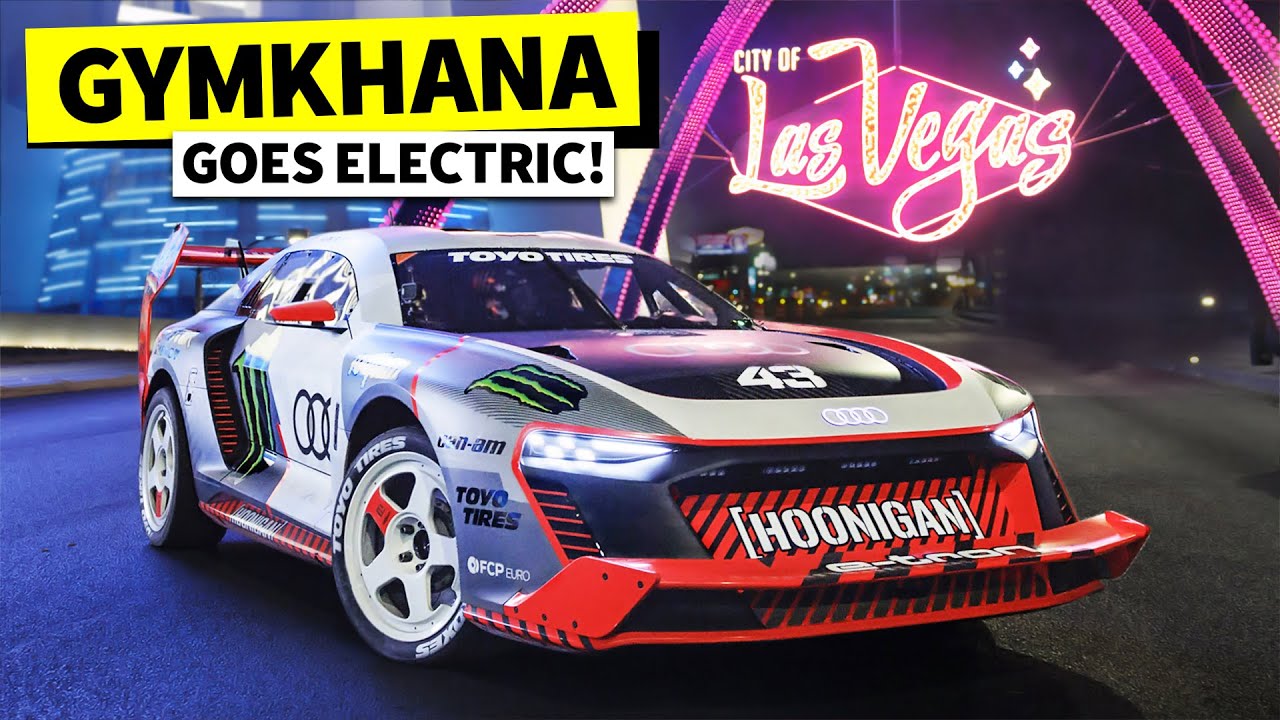
![[HOONIGAN] Ken Block's GYMKHANA NINE](https://img.youtube.com/vi/_bkX5VkZg8U/maxresdefault.jpg)































































![[HOONIGAN] KEN BLOCK'S GYMKHANA SEVEN: WILD IN THE STREETS OF LOS ANGELES](https://cdn.motor1.com/images/mgl/2KlO4/s1/ken-block-london-tour-directors-cut.jpg)






































What Is a Sleeper Car? The Art of Deceptive Performance
A sleeper car hides serious performance behind ordinary styling - here's what actually makes a build a genuine sleeper and why builders chase the look.
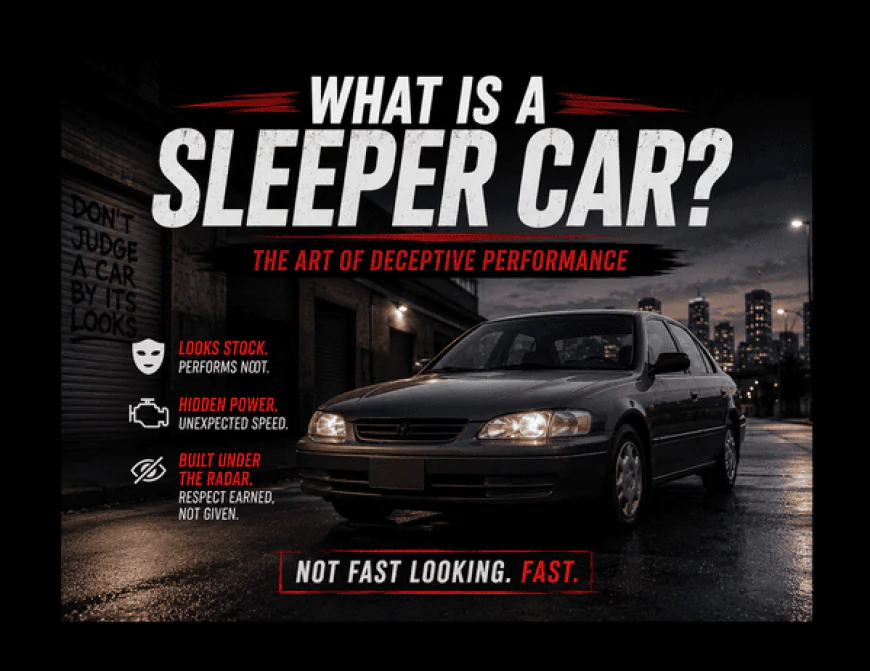
What Is a Sleeper Car?
The Art of Deceptive Performance
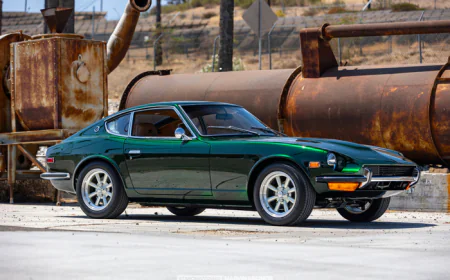
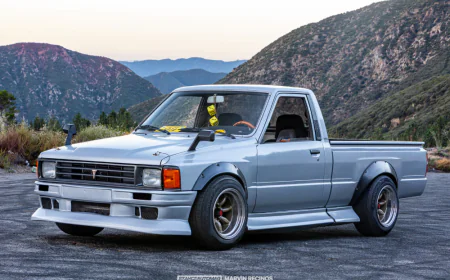
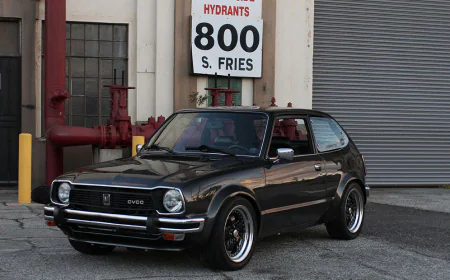
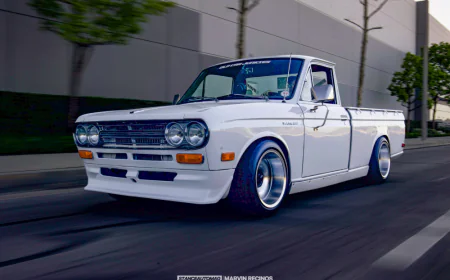
Why do some of the fastest cars at a meet look like the most boring thing in the car park? A sleeper car is exactly that, deliberately unassuming, often deceptively ordinary styling hiding serious performance underneath, built specifically to surprise anyone who judges it by appearances alone.
Sleeper Cars at a Glance
- A sleeper deliberately hides serious performance behind ordinary, understated styling
- The appeal is psychological as much as mechanical, the surprise factor is part of the point
- Common sleeper platforms include ordinary saloons, wagons and executive cars nobody expects to be quick
- Distinct from a show build, where the whole point is visible, obvious modification
- A genuine sleeper often costs restraint as much as money, resisting the urge to show off the work
What Actually Makes a Car a Genuine Sleeper?
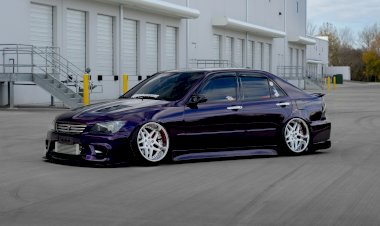
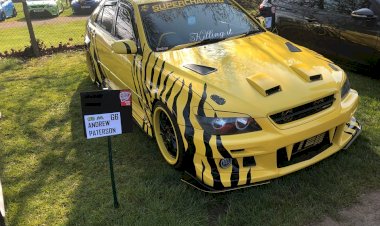
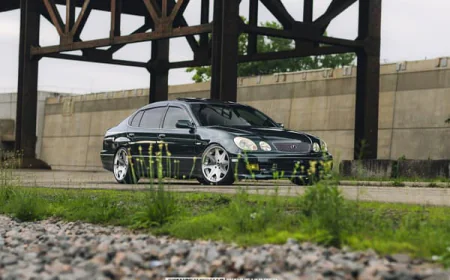
The core principle is a deliberate mismatch between appearance and capability. A genuine sleeper keeps exterior styling close to stock, no aggressive bodykit, no attention-grabbing wheels, no obvious aero, while investing the actual build budget into the engine, drivetrain and supporting mechanicals that don't show from the outside. The Lexus IS300 is a textbook example of a platform enthusiasts specifically choose for exactly this reason, understated executive styling hiding a genuinely capable engine underneath.
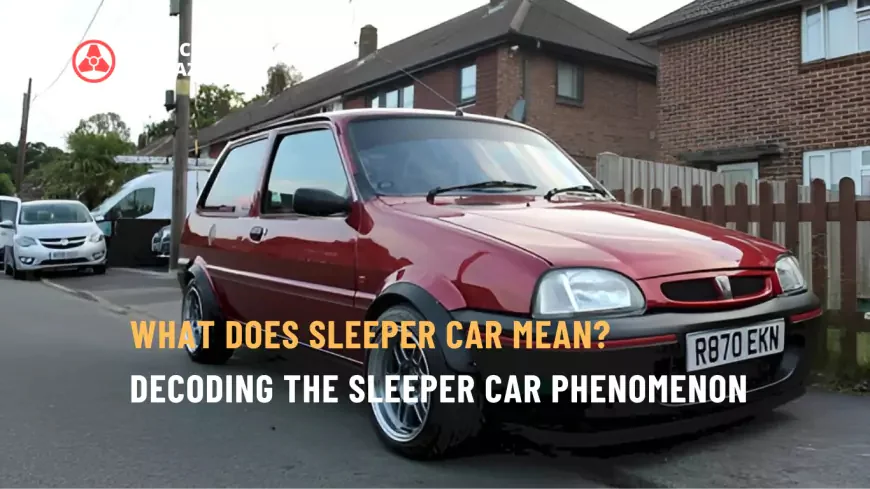
Why Do Builders Deliberately Choose This Approach?
Part of the appeal is straightforwardly psychological, the specific satisfaction of surprising someone who assumed your car was harmless based on how it looks, a very different kind of reward to the attention a loud, visually aggressive build attracts at a meet. There's also a practical angle for some builders, an unassuming car draws less unwanted attention, from other road users, from insurers assessing risk based on appearance, and sometimes from anyone who might otherwise target a visibly modified car.
What Are Some Classic Sleeper Platforms?
Ordinary saloons and estate cars with a reputation for being genuinely boring to look at have long been favourite sleeper starting points, precisely because nobody expects performance from them. Beyond the IS300, platforms like unassuming Volvo estates, ordinary-looking BMW 3 Series saloons, and various Japanese executive cars have all built dedicated sleeper followings, the common thread being genuine mechanical potential wrapped in styling most people would walk straight past.
Is a Sleeper Build Actually Harder Than a Show Build?
In a specific sense, yes, arguably it demands more genuine restraint. A show build gets to celebrate every modification visually, a sleeper build has to hide the same level of investment and skill entirely, which means the satisfaction has to come from the build quality and performance itself rather than from any visual recognition. This restraint is exactly why sleeper culture holds real respect within enthusiast circles, it's widely understood as a build philosophy that prioritises substance over any external validation.
Does "Sleeper" Apply to Any Level of Performance?
Not strictly, the term implies a genuinely meaningful gap between appearance and capability, a mildly tuned ordinary car isn't really a sleeper in the fullest sense, the label is generally reserved for builds where the performance gap is genuinely surprising relative to how thoroughly ordinary the car looks. A heavily built, seriously quick car hiding behind completely stock looking bodywork is the purest expression of the concept.
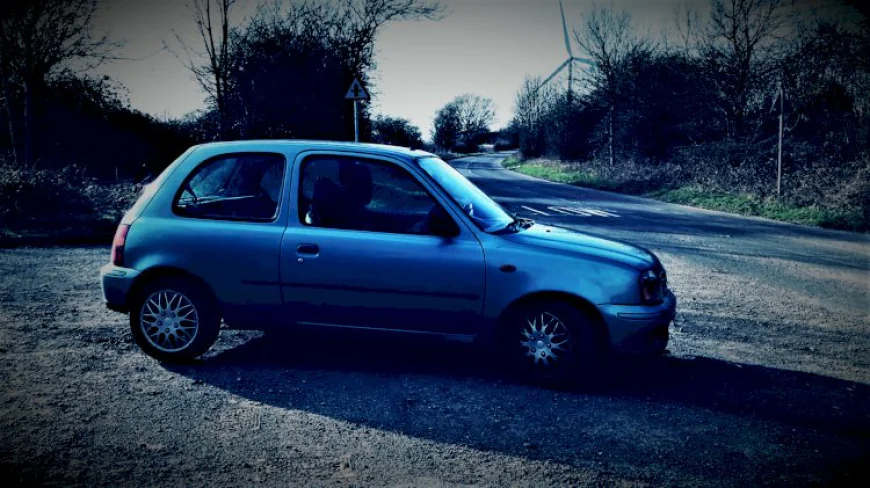
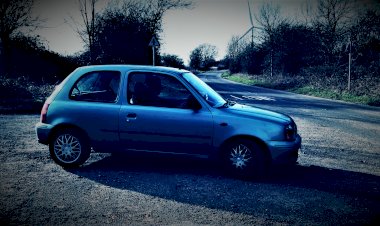
Ihtisham’s ITB Nissan Micra K11: The Ultimate Budget JDM Sleeper
How Do You Actually Identify a Genuine Sleeper?
Beyond takin the builder's word for it, subtle clues often give a genuine sleeper away to a trained eye, slightly aggressive tyre choice relative to the wheel, a deeper exhaust note than the badge would suggest, or stance and ride height that's just a touch more purposeful than factory. Part of the culture's appeal is exactly this game of subtle tells, spotting a genuine sleeper before it reveals itself is its own small skill within the wider enthusiast community.
Sleeper Culture vs Other Build Philosophies
It's worth placing sleeper building alongside other named build philosophies covered elsewhere, the technical grip-versus-drift setup priorities in our grip king vs drift car guide are about mechanical goals, where sleeper culture is fundamentally about presentation and psychology layered on top of whatever mechanical goal the builder actually has. A sleeper build can be optimised for grip, for drift, or for straight-line speed, the sleeper element is a separate, additional design choice about how the build is dressed rather than a mechanical setup category of its own.
Related Reads
- 1JZ vs 2JZ: Which Toyota Engine Should You Build?
- Lexus IS300 vs IS200: Which Is the Better JDM Sleeper?
- Grip King vs Drift Car: Setup Differences Explained
- Poke vs Stance vs Fitment: What's the Actual Difference?
For more build philosophy explainers and everything else modified car culture, head back over to Stance Auto Mag. You can also grab the latest print issue through our Amazon magazine store.
 Like
0
Like
0
 Dislike
0
Dislike
0
 Love
0
Love
0
 Funny
0
Funny
0
 Angry
0
Angry
0
 Sad
0
Sad
0
 Wow
0
Wow
0