


































.png)






![[HOONIGAN] Ken Block's GYMKHANA NINE](https://img.youtube.com/vi/_bkX5VkZg8U/maxresdefault.jpg)













































![[HOONIGAN] KEN BLOCK'S GYMKHANA SEVEN: WILD IN THE STREETS OF LOS ANGELES](https://cdn.motor1.com/images/mgl/2KlO4/s1/ken-block-london-tour-directors-cut.jpg)






























Grip King vs Drift Car: Setup Differences Explained
Grip king and drift car setups share a starting point but diverge completely in alignment, tyres and suspension - here's what actually separates them.
Grip King vs Drift Car:
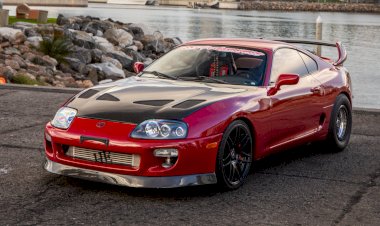
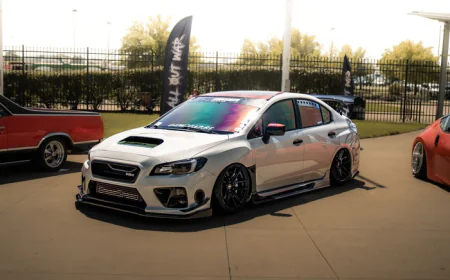
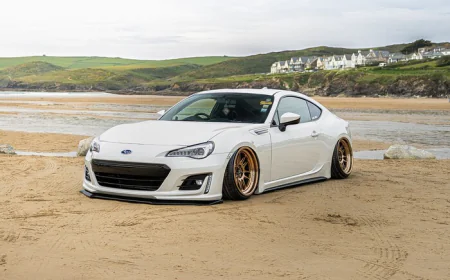
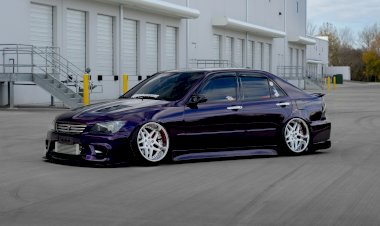
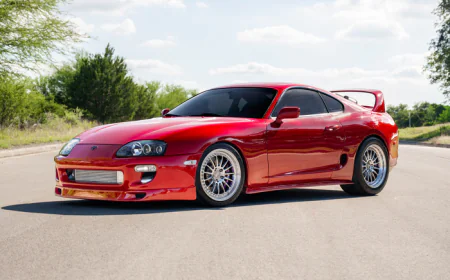
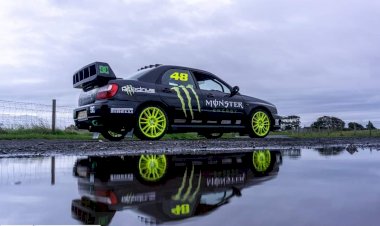
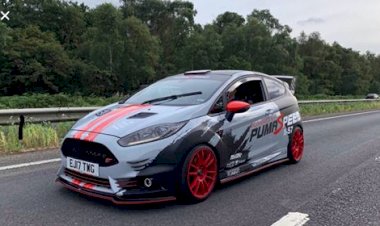
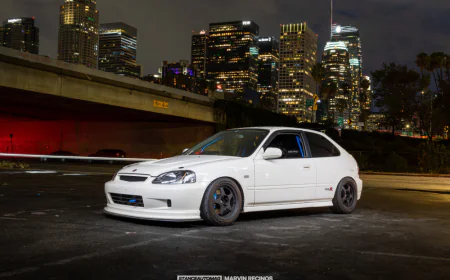
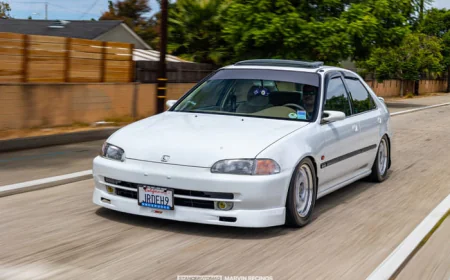
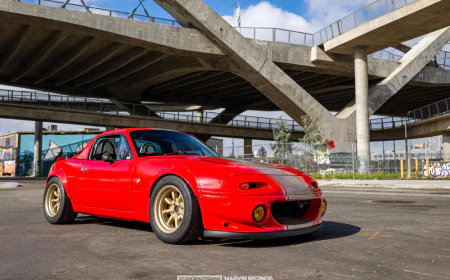
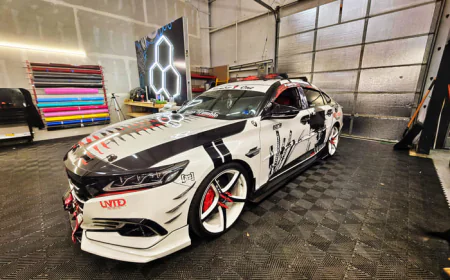
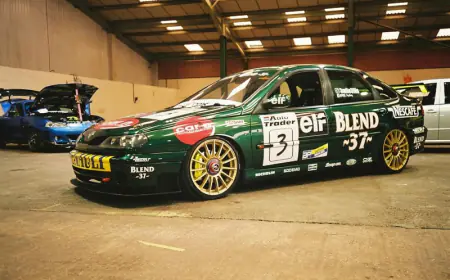
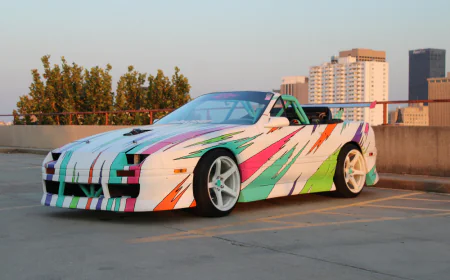
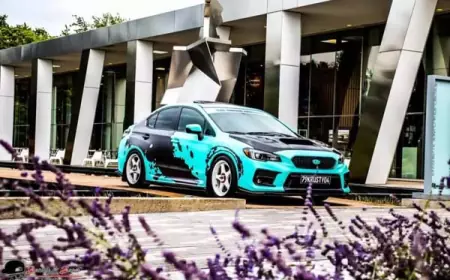
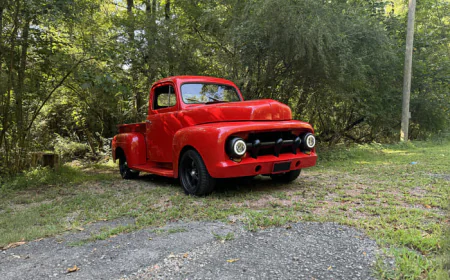
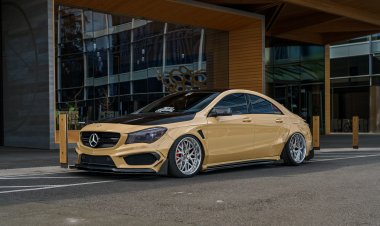
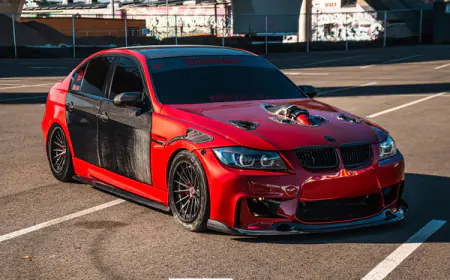
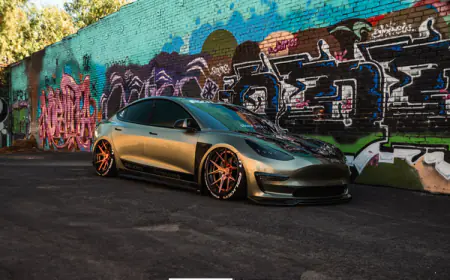
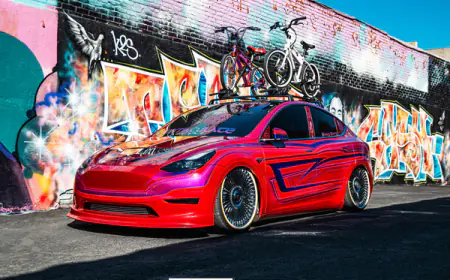
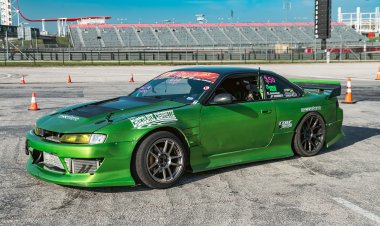
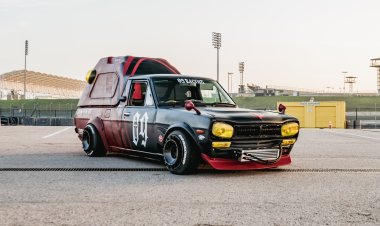
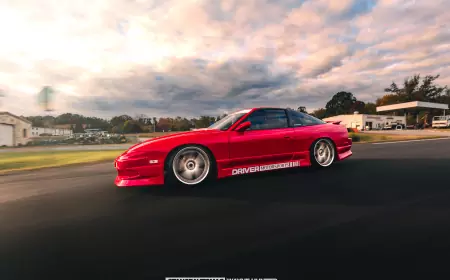
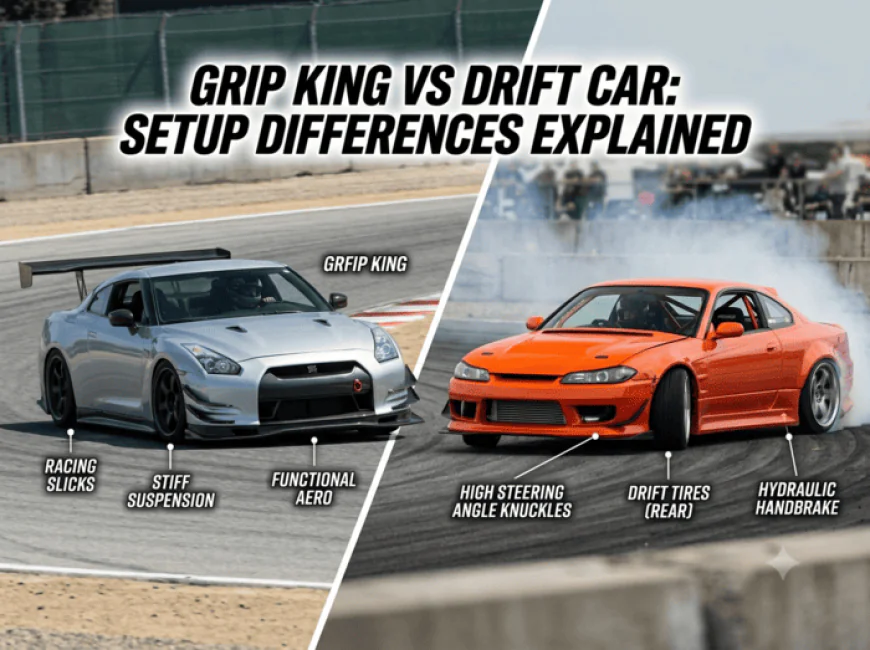
Two cars can look almost identical, lowered, wide arches, aggressive wheels, and still be set up for completely opposite goals. Grip king and drift car builds represent genuinely opposing engineering philosophies, and understanding what actually separates them explains a lot of setup decisions that look confusing if you're only thinking in terms of "aggressive" versus "mild."
Grip King and Drift Setups at a Glance
- Grip king builds are optimised to maximise cornering speed and traction, minimising slip
- Drift builds are optimised to induce and sustain controlled oversteer deliberately
- Alignment settings, particularly camber and toe, often move in genuinely opposite directions between the two
- Tyre choice and compound priorities differ significantly, grip and drift want different things from a tyre
- Suspension setup philosophy diverges around how much the car should resist versus embrace weight transfer
What Is a "Grip King" Build?
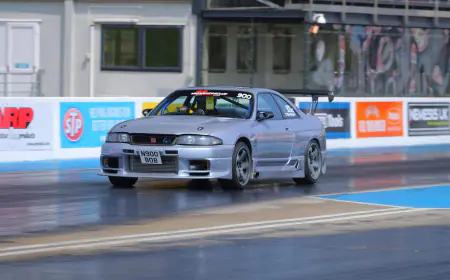
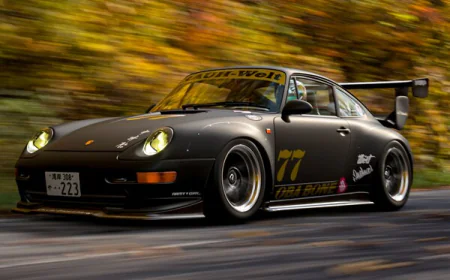
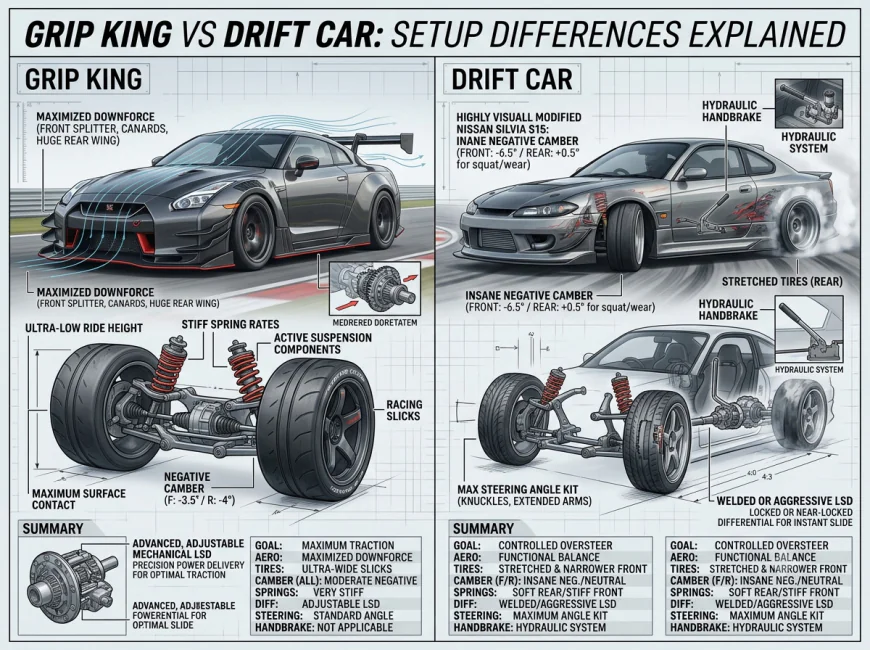
A grip king build is engineered around one singular goal: maximising the car's ability to generate and hold cornering grip, minimising any unwanted slip through a corner to post the fastest possible time. This means alignment, suspension, and tyre choices are all optimised toward maximum contact patch and traction, a philosophy shared with time attack and track-focused builds more broadly, where lap time is the only metric that matters.
What Is a Drift Car Setup Built For?
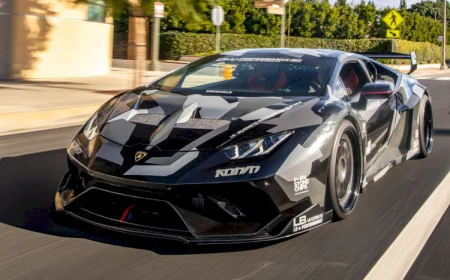
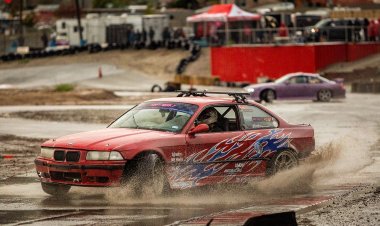
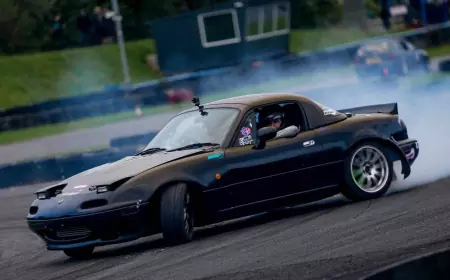
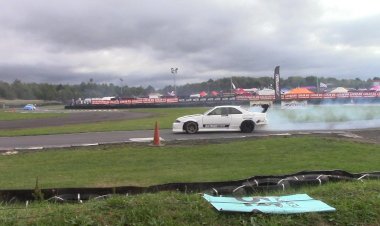
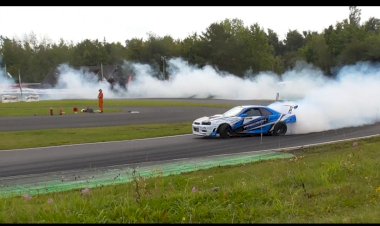
A drift setup is engineered around the opposite goal: deliberately breaking rear traction and sustaining a controlled slide through a corner, with the driver managing that slide through steering angle and throttle control rather than fighting to keep the car gripped. This requires genuinely different mechanical priorities, more front-end grip relative to the rear, increased steering angle capability, and a rear end tuned to break traction predictably rather than resist it.
How Does Camber Differ Between the Two?
This is one of the most visible differences to a trained eye. Grip-focused builds tend to run moderate negative camber calculated to maximise tyre contact patch through the specific cornering loads the car experiences on track. Drift builds often run more aggressive front camber specifically to maintain front tyre contact and steering response at the extreme steering angles a drift requires, a different engineering justification for aggressive camber than the grip-focused reasoning, even though both looks can appear visually similar to an untrained eye.
How Does Suspension Setup Differ?
Grip setups generally prioritise a suspension tune that keeps the car flat and composed, minimising unwanted weight transfer that could unsettle the contact patch mid-corner. Drift setups often deliberately work with weight transfer rather than against it, using it as a tool to help initiate and sustain a slide, meaning spring rates, damper tuning and anti-roll bar choices can end up in genuinely different places even when starting from a similar base chassis.
What About the Limited-Slip Differential?
Both grip and drift builds typically run an upgraded LSD over a factory open differential, but the specific LSD lock characteristics are chosen for different reasons. A grip-focused LSD setup prioritises smooth, predictable power delivery to maximise traction out of a corner. A drift-focused LSD setup often prioritises a more aggressive lock that helps both rear wheels break traction together, a genuinely useful trait for sustaining a slide that would actually work against a grip car's traction goals.
Can the Same Car Be Set Up for Both?
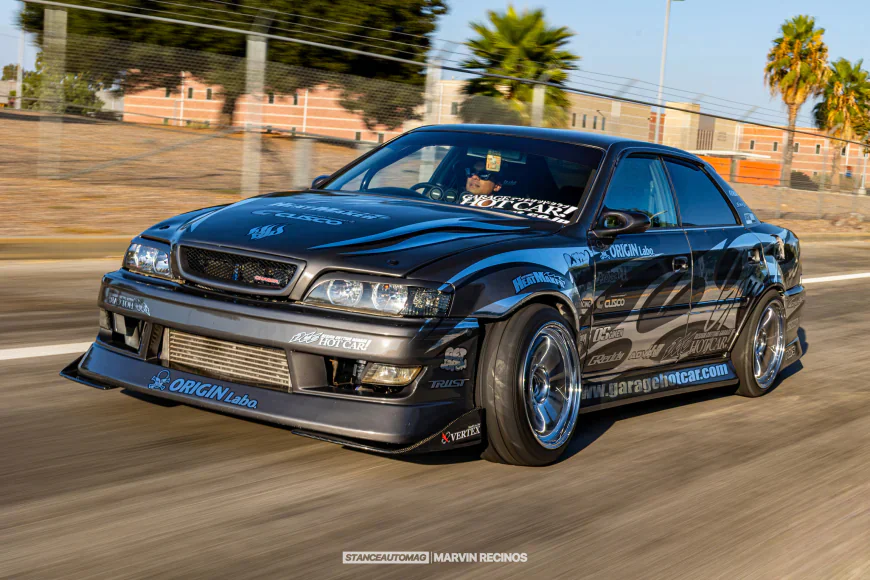
Not simultaneously, and this is worth understanding clearly, a genuinely optimised grip setup and a genuinely optimised drift setup pull suspension, alignment and tyre choices in different, sometimes directly opposing directions. Some builders do run dual-purpose setups that compromise on both goals to some degree, useful for a car that needs to do a bit of everything, but a serious, dedicated grip king build and a serious, dedicated drift build will rarely share an identical specification sheet.
Why This Distinction Matters When Modifying Your Own Car
Understanding which philosophy your build goal actually falls under before choosing parts prevents a common and expensive mistake, buying components optimised for the wrong goal entirely. A driver chasing lap times who unknowingly buys drift-oriented suspension parts, or vice versa, will end up fighting their own car's setup rather than working with it, however good the individual parts are in isolation.
How Does This Relate to Touge and Drift Culture?
This setup distinction sits underneath a lot of the wider culture we've covered elsewhere, the technical car control skills that grew out of touge mountain pass driving and broader hashiriya street culture draw on both grip and drift philosophies depending on the specific driver and road. Understanding the technical setup difference gives real context to why certain builds, like those based on the S13, S14 and S15 chassis, get set up so differently even when starting from the same base platform.
Suspension Brands Worth Knowing for Either Goal
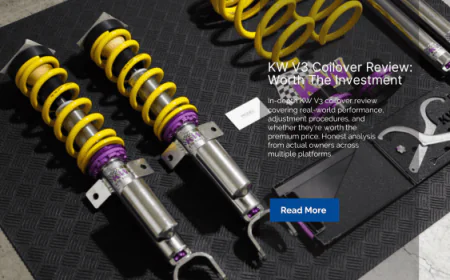
Coilover brands like BC Racing offer setups genuinely tunable toward either grip or drift goals depending on spring rate and damping choices made at setup, which is why the same brand name shows up across both grip-focused and drift-focused builds despite the different underlying tuning philosophy.
For more setup guides and everything else modified car culture, head back over to Stance Auto Mag. You can also grab the latest print issue through our Amazon magazine store.
 Like
0
Like
0
 Dislike
0
Dislike
0
 Love
0
Love
0
 Funny
0
Funny
0
 Angry
0
Angry
0
 Sad
0
Sad
0
 Wow
0
Wow
0