















































.png)









![[HOONIGAN] Ken Block's GYMKHANA NINE](https://img.youtube.com/vi/_bkX5VkZg8U/maxresdefault.jpg)




















































![[HOONIGAN] KEN BLOCK'S GYMKHANA SEVEN: WILD IN THE STREETS OF LOS ANGELES](https://cdn.motor1.com/images/mgl/2KlO4/s1/ken-block-london-tour-directors-cut.jpg)
































Poke vs Stance vs Fitment: What's the Actual Difference?
Poke, stance and fitment get used interchangeably online, but they mean genuinely different things - here's what actually separates the three terms.
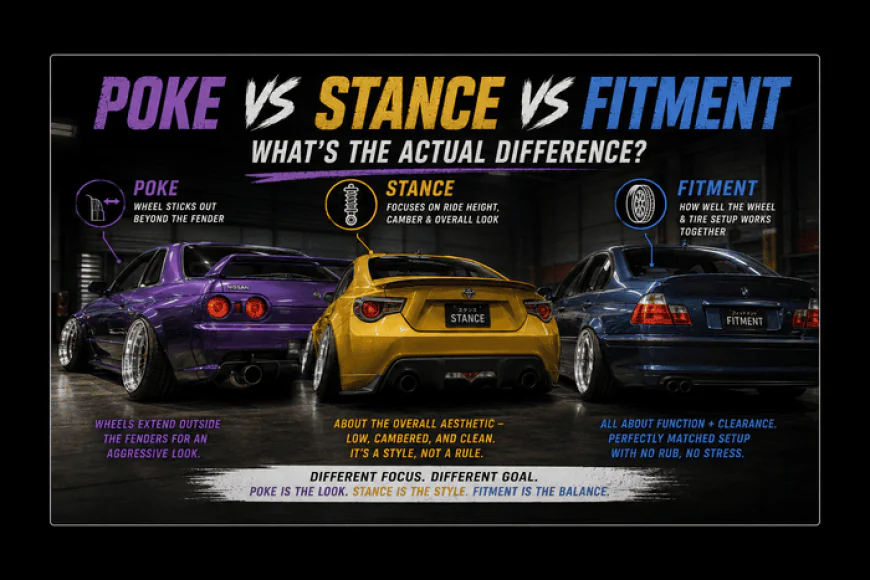
Poke vs Stance vs Fitment:
Everyone throws these three words around like they mean the same thing, but do poke, stance and fitment actually describe different parts of a car's look? Yes, they do, and understanding the distinction properly will make you sound like you actually know the scene rather than just repeating terms you've seen in captions.
Poke, Stance and Fitment at a Glance
- Poke refers specifically to how far a wheel/tyre sticks out beyond the fender lip
- Fitment is the broader term for how a wheel and tyre combination sits within the arch overall
- Stance refers to the car's overall lowered, aggressive look, ride height plus wheel setup combined
- The three overlap heavily in practice, but each describes a genuinely different, specific aspect of the build
- It's connected to the wider shakotan lineage of Japanese lowered-car styling terms this whole vocabulary grew out of
What Does "Poke" Actually Mean?
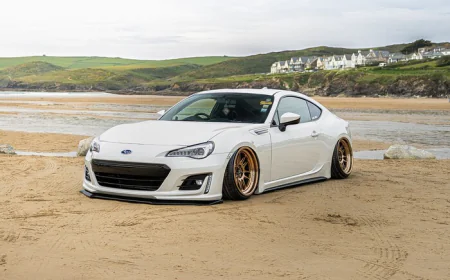
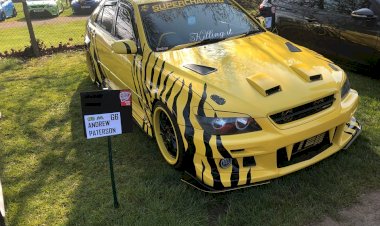
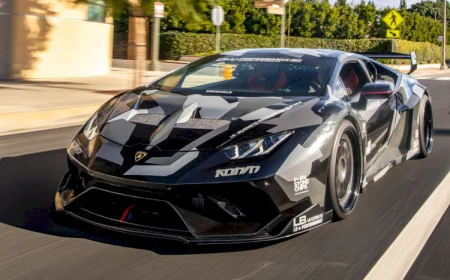
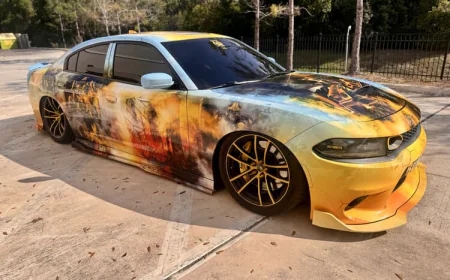
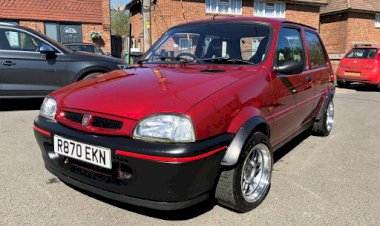
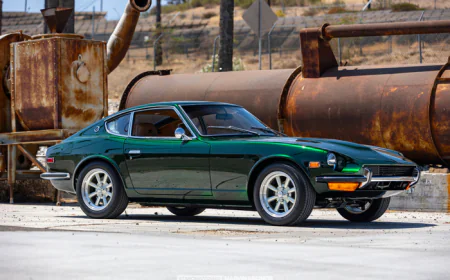
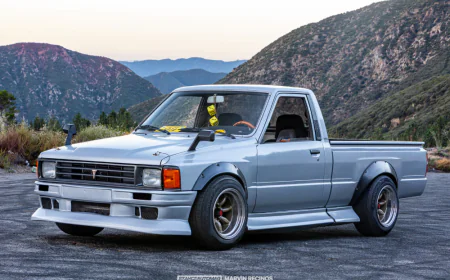
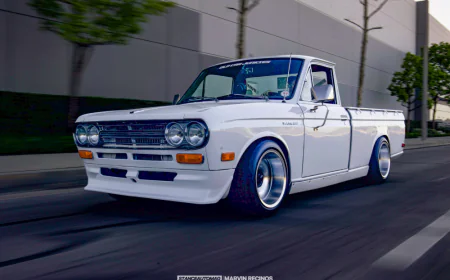
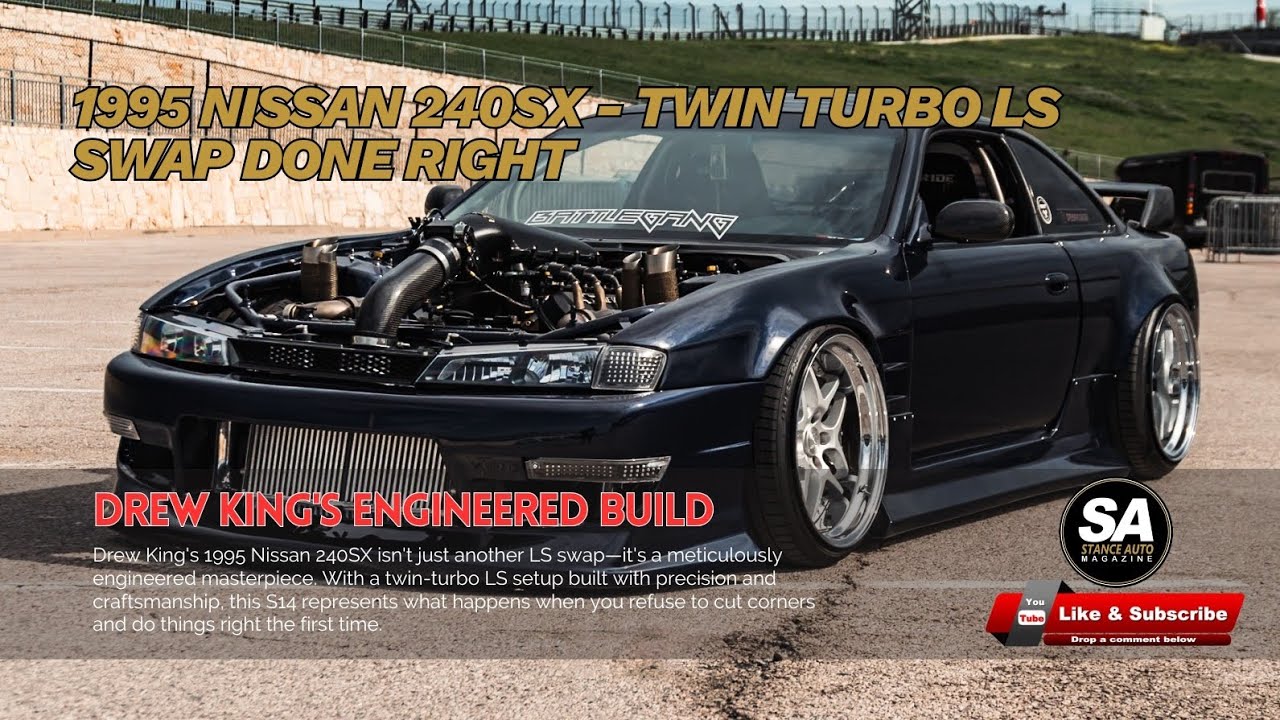
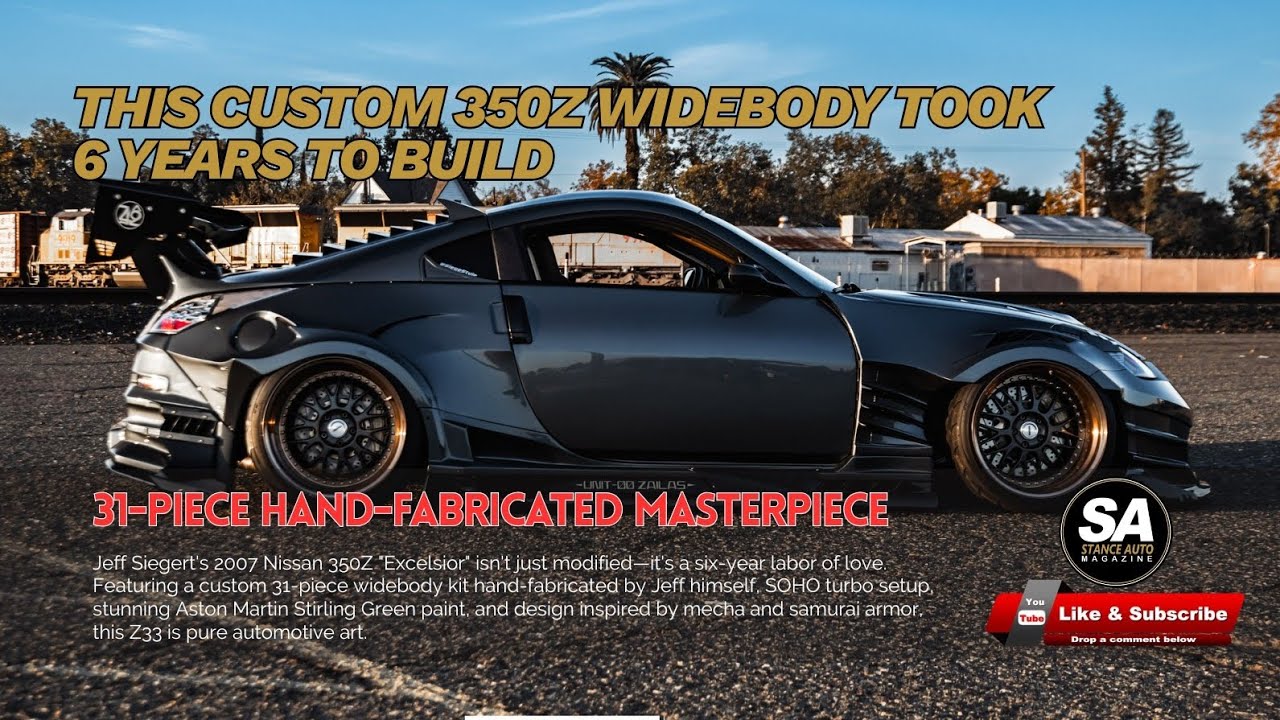
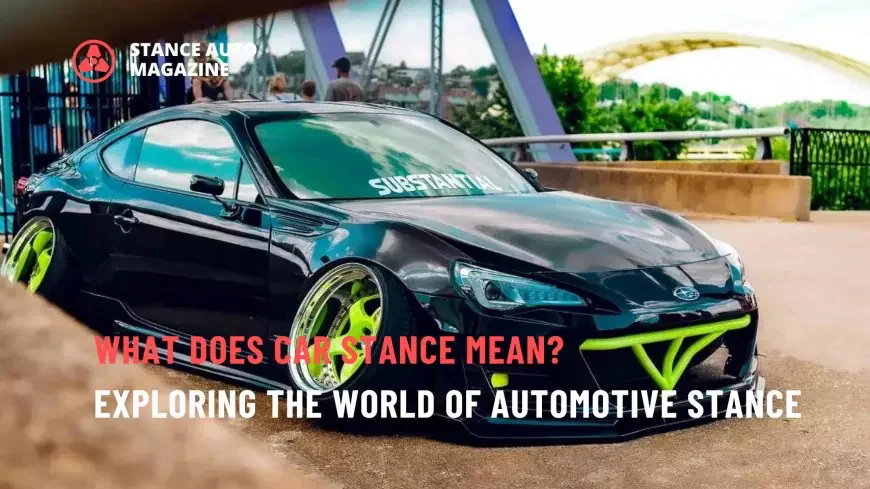
Poke describes one specific, measurable thing: how far the wheel and tyre extend outward past the edge of the fender, typically achieved through wheel offset, spacers, or wider wheels than a car was designed to run. A car with serious poke has its wheels sitting proud of the bodywork rather than tucked neatly inside the arch, a deliberately aggressive, attention-grabbing look that's become a signature of certain stance-adjacent builds.
What Does "Fitment" Actually Mean?
Fitment is the broader, more technical umbrella term, covering the complete relationship between wheel size, offset, tyre sizing and how that combination sits within the wheel arch as a whole. A car can have "good fitment" without any poke at all, a wheel and tyre combination that fills the arch cleanly, flush with the fender line, is still described as good fitment, it just isn't poking out beyond it. Fitment is really the technical foundation that determines whether a build ends up tucked, flush, or poking, depending on the specific choices made.
What Does "Stance" Actually Mean?
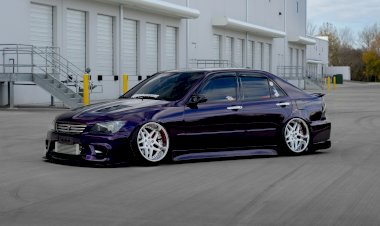
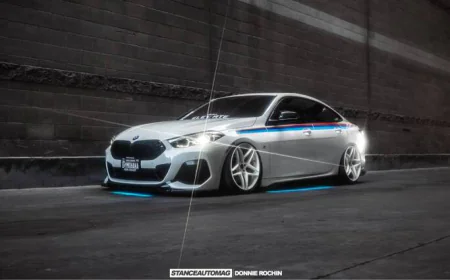
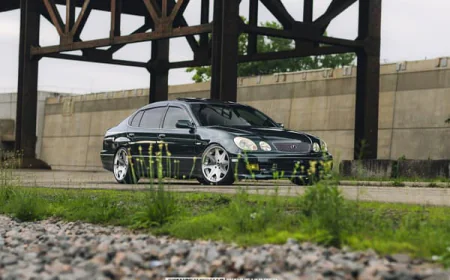
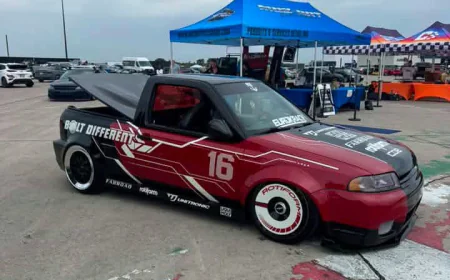
Stance is the widest of the three terms, referring to a car's overall lowered, aggressive visual character, combining ride height, wheel fitment, and often camber into one general impression rather than one specific measurement. A car can have great fitment without necessarily being described as "stanced," stance specifically implies the dramatically lowered ride height and typically more aggressive camber that define the broader stance styling movement, itself a modern descendant of the older Japanese shakotan tradition.
How Do the Three Actually Combine on a Real Build?
Think of fitment as the technical spec sheet, poke as one specific visual outcome that fitment choices can produce, and stance as the overall aesthetic verdict combining fitment with ride height and camber. A build can have aggressive fitment with genuine poke, sit low enough to be called stanced, and still not tick every box of what a purist would call a true stance build if, say, the camber isn't aggressive enough for that specific crowd's standards, the terms genuinely aren't interchangeable even though casual use online treats them that way constantly.
Tucked vs Flush vs Poke: The Full Spectrum
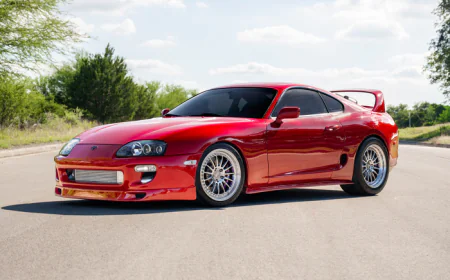
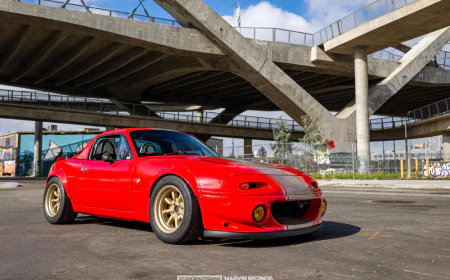
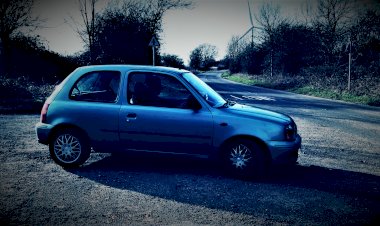
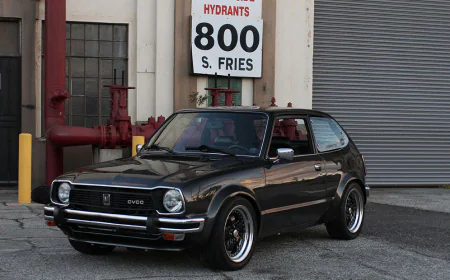
Tucked describes a wheel and tyre combination sitting inside the arch with visible gap remaining, the opposite end of the spectrum from poke. Flush sits directly at the fender edge, neither tucked in nor poking out, often considered the cleanest, most universally appealing fitment by a wide range of builders. Poke goes past flush, extending beyond the fender line, the most aggressive and polarising end of the spectrum, loved by some builders specifically for how attention-grabbing it is, and avoided by others precisely for the same reason.
Why Does Getting the Terminology Right Actually Matter?
Beyond just sounding informed, using these terms precisely helps when you're actually communicating a build goal to a wheel shop, a fabricator, or a fellow enthusiast, "I want good fitment" and "I want poke" are genuinely different requests that lead to different wheel offset and spacer decisions, and conflating them is a common source of miscommunication between builders and the shops helping them execute a specific look.
Common Mistakes People Make With These Terms
The most common mistake is using "stance" as a catch-all for any lowered or aggressively fitted car, when strictly speaking a car can have excellent fitment or genuine poke without meeting the fuller stance definition of dramatically lowered ride height plus aggressive camber together. The reverse mistake happens too, assuming any stanced car automatically has poke, plenty of stance builds actually run flush or even slightly tucked fitment depending on the specific look the builder is going for, stance is about the overall picture, not a guarantee of any one specific wheel position.
How Wheel Offset Actually Drives These Outcomes
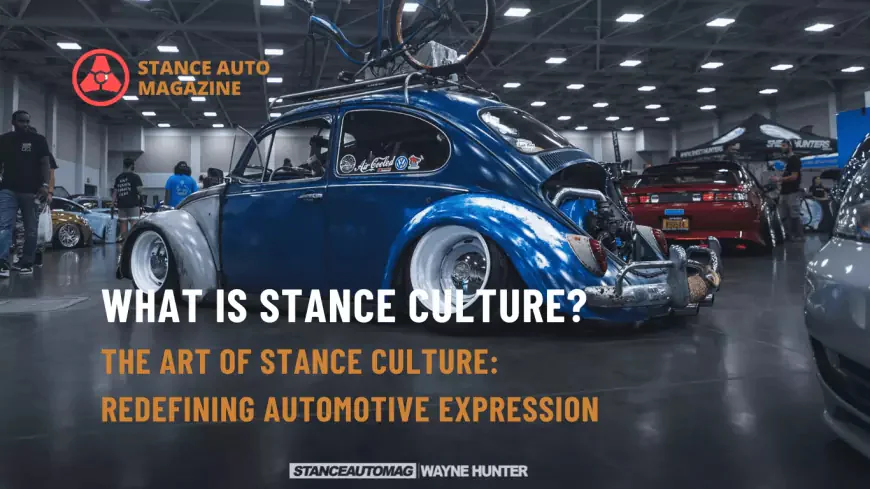
Offset, the measurement of where a wheel's mounting face sits relative to its centreline, is the core technical lever behind all three terms. A lower offset number pushes the wheel further out, increasing poke potential, while a higher offset tucks the wheel further in. Fitment decisions ultimately come down to choosing the right combination of wheel width, offset and tyre sidewall to hit a specific target look, whether that's a clean flush fit, deliberate poke, or a more conservative tucked setup.
Related Reads
- What Is Shakotan? Japan's Original Lowered Car Style
- What Is a Kaido Racer? Japan's Retro Racer Style Explained
- What Is Touge? The Mountain Pass Culture Explained
- USDM, JDM, EDM, ADM, CHDM, MEDM: What Does It Mean?
For more JDM culture and styling explainers, and everything else modified car culture, head back over to Stance Auto Mag. You can also grab the latest print issue through our Amazon magazine store.
 Like
0
Like
0
 Dislike
0
Dislike
0
 Love
0
Love
0
 Funny
0
Funny
0
 Angry
0
Angry
0
 Sad
0
Sad
0
 Wow
0
Wow
0