
































































































.png)












![[HOONIGAN] Ken Block's GYMKHANA NINE](https://img.youtube.com/vi/_bkX5VkZg8U/maxresdefault.jpg)
















































































![[HOONIGAN] KEN BLOCK'S GYMKHANA SEVEN: WILD IN THE STREETS OF LOS ANGELES](https://cdn.motor1.com/images/mgl/2KlO4/s1/ken-block-london-tour-directors-cut.jpg)







































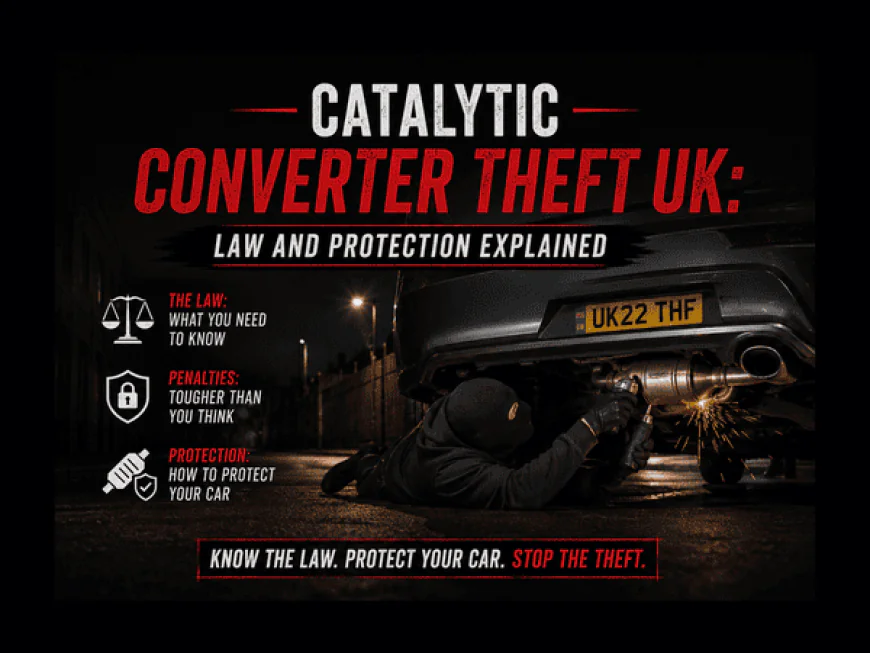
Catalytic Converter Theft UK: Law and Protection Explained
Catalytic converter theft is a genuine UK epidemic - here's what the law actually says, why certain cars are targeted, and how to protect yours.
Why Are Catalytic Converters Specifically Targeted?
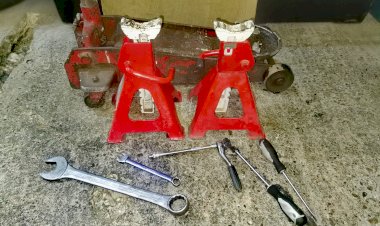
The answer is entirely about what's inside them. Catalytic converters contain small quantities of platinum, palladium and rhodium, precious metals used in the emissions-reduction process, and these metals carry real scrap value on the open market. This is purely an economic crime, thieves aren't interested in your car itself, just the small, valuable component underneath it that can be removed in under a minute with basic tools.
Key Facts
- Catalytic converters are targeted for the precious metals (platinum, palladium, rhodium) inside them
- Certain vehicles, particularly hybrids and specific 4x4 and van models, are disproportionately targeted
- Theft typically takes under a minute with the right tools, making it a genuinely high-reward, low-effort crime
- Scrap metal dealers face legal traceability requirements specifically aimed at reducing this trade
- Protection devices (clamps, cages, marking) are legal and can genuinely reduce your risk
Catalytic converter theft has become one of the more frustrating, genuinely widespread crimes affecting UK car owners, and understanding why it happens and what the law is actually doing about it helps make sense of the protective options available.
Why Are Hybrids Targeted So Disproportionately?
Hybrid vehicles often use catalytic converters with a higher concentration of precious metals than a purely petrol or diesel equivalent, since hybrid engines run cooler and need more catalytic material to achieve the same emissions performance. This genuinely makes hybrid catalytic converters more valuable to thieves, and it's part of why certain popular hybrid models see disproportionately high theft rates compared to their overall numbers on the road.
What Does UK Law Actually Do About This?
The Scrap Metal Dealers Act requires scrap dealers to verify seller identity and keep detailed records of transactions, specifically designed to make it harder to anonymously offload a stolen catalytic converter for cash. Cash payments for scrap metal have also been restricted, pushing transactions toward traceable bank payments, a direct legislative response to how easily catalytic converter theft was being monetised through informal, untraceable scrap sales.
Is Catalytic Converter Theft Actually Illegal to Prosecute?
Yes, straightforwardly, it's theft and criminal damage, prosecuted the same as any other property crime, though the specific challenge has always been catching offenders given how quickly the crime can be committed and how easily the stolen part can be moved on. Recent legislative focus has shifted toward disrupting the resale market specifically, on the reasoning that removing the easy path to cash reduces the incentive for the theft itself.
What Protection Options Are Actually Legal and Effective?
Catalytic converter clamps and protective cages, physical devices that make removal significantly harder and slower, are legal and widely available, and genuinely effective at pushing opportunistic thieves toward an easier target elsewhere. Forensic marking, applying a traceable identifier and often a visible warning sticker, doesn't physically prevent removal but makes a stolen converter far harder to sell on and easier to trace back if recovered, which itself acts as a deterrent once thieves know a specific area or vehicle type is commonly marked.
Does Insurance Cover Catalytic Converter Theft?
Generally, yes, under a comprehensive policy, catalytic converter theft is typically covered as a form of theft or malicious damage, though it's worth checking your specific policy terms and any relevant excess, since a string of claims for a genuinely common crime can affect future premiums even when each individual claim is legitimate.
What Should You Actually Do to Protect Your Car?
Parking in a well-lit, ideally covered or monitored area meaningfully reduces opportunistic theft risk, and for vehicles on the higher-risk list, hybrids and certain frequently-targeted models specifically, investing in a physical clamp or cage device is a genuinely worthwhile, relatively affordable protective measure given how expensive and disruptive a stolen catalytic converter is to replace.
Which Specific Areas or Vehicle Types See the Highest Risk?
Urban areas with high hybrid vehicle density tend to report disproportionately high theft rates, simply reflecting where the most valuable targets are concentrated, alongside certain 4x4 and van models whose higher ground clearance makes the catalytic converter easier to access quickly without needing to jack the vehicle up first. If you're driving a model known locally for frequent targeting, it's worth checking with your specific make and model's owner community, since real-world theft patterns often cluster around particular models even within the same broad hybrid or 4x4 category.
What Should You Do If Yours Is Stolen?
Report it to police promptly, both for the crime record itself and because it's typically required for an insurance claim, and check whether your specific replacement part is affected by any wider parts shortage, catalytic converter theft has been common enough that replacement parts for frequently-targeted models can occasionally see longer lead times than usual. Fitting a protective device at the point of replacement is worth strongly considering, since a vehicle targeted once is often targeted again if the underlying vulnerability isn't addressed.
The Bottom Line
Catalytic converter theft is a real, ongoing problem driven entirely by the value of the precious metals inside them, and while UK law has moved to disrupt the resale market through stricter scrap metal regulation, physical protection devices remain the most direct way to reduce your own personal risk, particularly if you're driving one of the models known to be disproportionately targeted.
For official guidance on vehicle crime prevention, the gov.uk guidance on protecting your vehicle from theft and the Scrap Metal Dealers Act framework set out the underlying legal framework. For more legal guides and everything else modified car culture, head back over to Stance Auto Mag. You can also grab the latest print issue through our Amazon magazine store.
 Like
0
Like
0
 Dislike
0
Dislike
0
 Love
0
Love
0
 Funny
0
Funny
0
 Angry
0
Angry
0
 Sad
0
Sad
0
 Wow
0
Wow
0