






































































.png)










![[HOONIGAN] Ken Block's GYMKHANA NINE](https://img.youtube.com/vi/_bkX5VkZg8U/maxresdefault.jpg)




















































![[HOONIGAN] KEN BLOCK'S GYMKHANA SEVEN: WILD IN THE STREETS OF LOS ANGELES](https://cdn.motor1.com/images/mgl/2KlO4/s1/ken-block-london-tour-directors-cut.jpg)





































What Is Kyusha? Japan's Vintage Car Culture Explained
Kyusha is Japan's vintage car preservation and restoration culture - here's what actually separates it from shakotan and why it values originality.
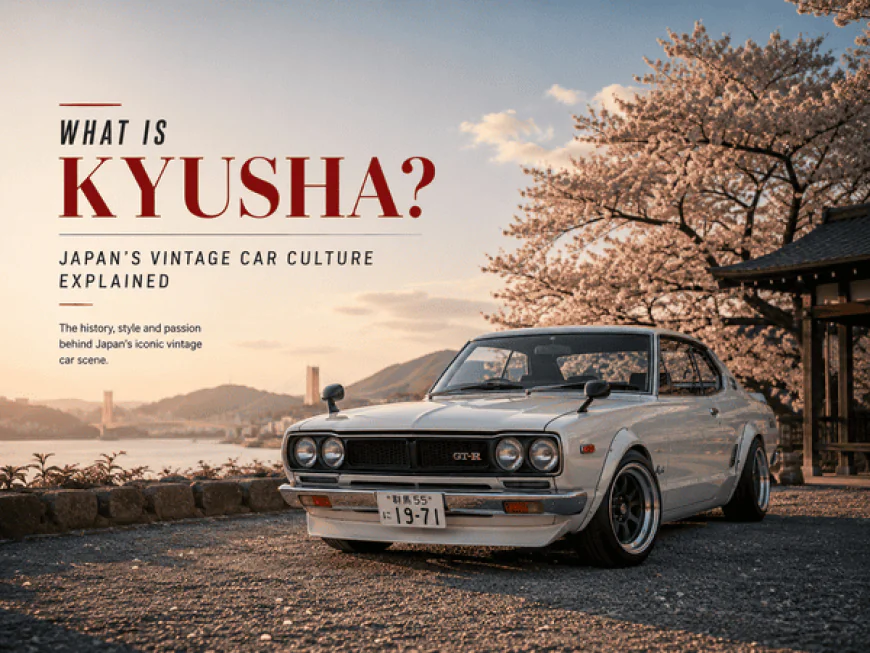
What Is Kyusha?
Japan's Vintage Car Culture Explained
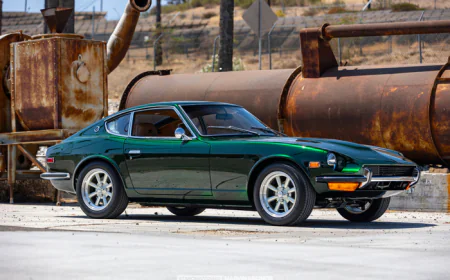
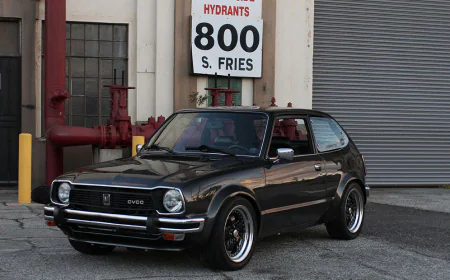
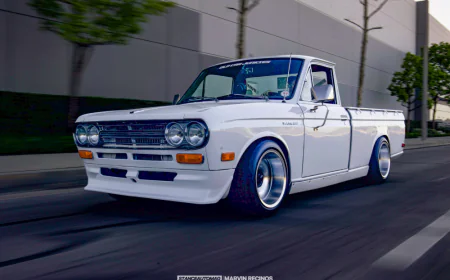
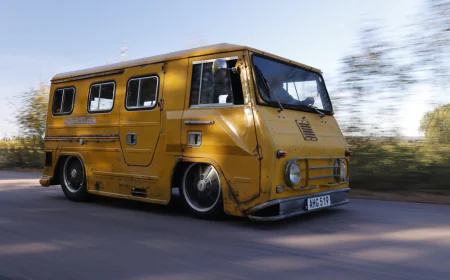
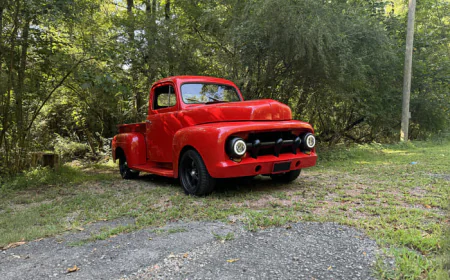
Not every branch of Japanese car culture is about aggressive modification; some are built entirely around preserving the past. Kyusha (旧車), translating roughly to "old car" or "vintage car," describes Japan's dedicated vintage car preservation and restoration culture, a genuinely different philosophy from the lowered, modified styles it sometimes gets lumped in with.
Kyusha at a Glance
- Kyusha translates roughly to "old car," referring to genuine vintage Japanese vehicles and the culture around preserving them
- Prioritises originality and period-correct restoration over aggressive modification
- Distinct from shakotan and other lowered-car styles, though the two scenes sometimes overlap at meets
- Covers genuinely early Japanese vehicles, often pre-dating the more famous 1980s-90s JDM performance era
- Values authenticity and original parts specifically, the opposite priority to most aggressive styling movements
What Actually Defines Kyusha Culture?
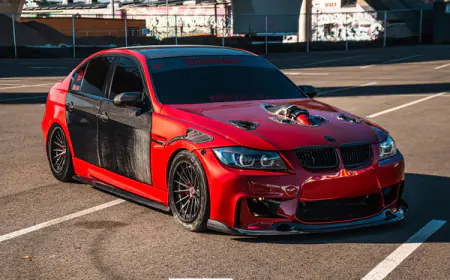
Where most of the JDM styling movements covered elsewhere on this site are about aggressive, deliberate modification, kyusha is fundamentally about preservation and authenticity, restoring genuinely old Japanese vehicles to as close to original, period-correct condition as possible. Original parts, period-correct paint colours, and factory specification are the priorities here, a direct philosophical opposite to the lowered, widened, aggressively fitted builds that dominate most other JDM culture conversations.
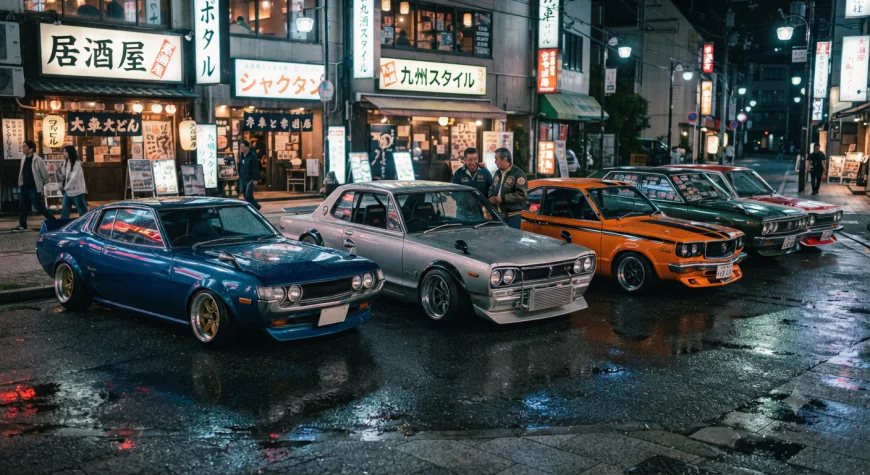
Does Kyusha Overlap With Shakotan or Bosozoku Style?
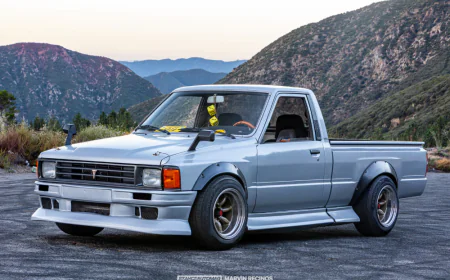
There's genuine crossover at the edges, some kyusha enthusiasts do run period-correct lowered setups reflecting how these vintage cars might genuinely have been modified back in period, but the underlying philosophy differs meaningfully. Kyusha specifically values historical authenticity, if a lowered look is part of the build, it's because that's genuinely how the car might have looked in its actual period, not a modern aggressive styling choice layered onto an old car.
Why Does Originality Matter So Much to Kyusha Enthusiasts?
Genuinely original, unmolested examples of early Japanese vehicles are becoming increasingly rare, decades of use, modification, and simple attrition have thinned out the surviving population of genuinely correct, original examples significantly. Kyusha culture's focus on preservation reflects a real concern about losing this specific slice of automotive history entirely if enthusiasts don't actively work to maintain and restore surviving examples properly.
What Kinds of Cars Fall Under the Kyusha Umbrella?
Early Japanese production cars, often predating the more internationally famous JDM performance era by a decade or more, are the classic kyusha subject, vehicles that represent Japan's early domestic automotive industry rather than the turbocharged performance icons most international enthusiasts think of first when JDM culture comes up. This makes kyusha culture a genuinely different entry point into Japanese car history for enthusiasts interested in the roots of the industry rather than its performance peak.
Is Kyusha Culture Well Known Outside Japan?
It has a smaller, more specialist international following compared to more visually dramatic movements like kaido racer or bosozoku, partly because preservation and restoration culture is inherently less visually attention-grabbing than aggressive modification, and partly because genuinely authentic kyusha builds require real access to increasingly rare original parts and vehicles that aren't always easy to source outside Japan.
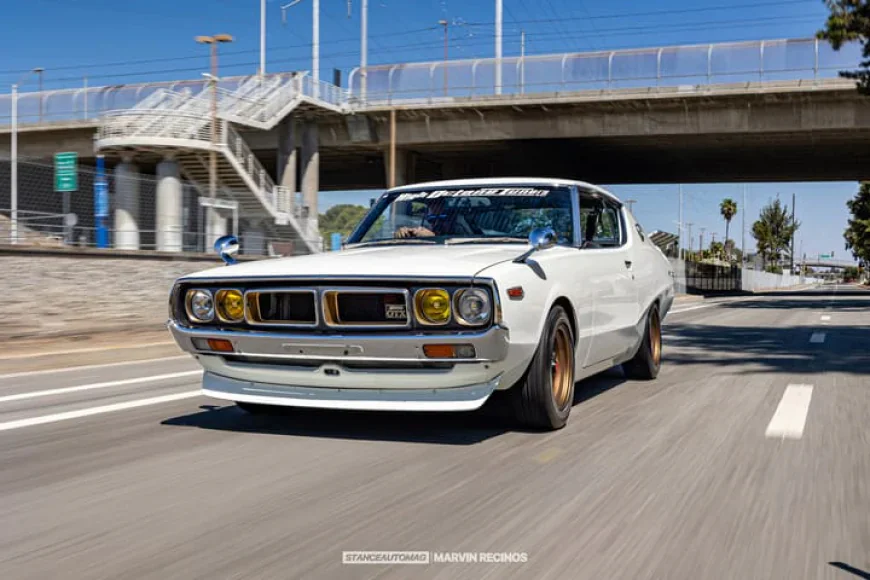
1975 Nissan Skyline Kenmeri: A Classic Car Enthusiast's Dream
How Does the Kyusha Community Operate?
Dedicated kyusha meets and clubs exist specifically to bring preservation-focused owners together, often centred around specific marques or eras, functioning as much as knowledge and parts-sourcing networks as social gatherings. Genuinely correct restoration knowledge, which specific paint codes were used in which years, which trim details are period-correct, is often held by a relatively small number of deeply knowledgeable enthusiasts, making these community connections genuinely valuable for anyone attempting a serious, historically accurate restoration.
Why Kyusha Deserves More Recognition Internationally
Understanding kyusha properly rounds out a fuller picture of Japanese car culture, it's easy for international audiences exposed mainly to stance, drift, and kaido racer content to assume JDM culture is entirely about aggressive modification, when a genuinely significant, historically important strand of the culture is built around the opposite instinct: careful preservation of automotive history that would otherwise be lost entirely.
Related Reads
- What Is Shakotan? Japan's Original Lowered Car Style
- What Is a Kaido Racer? Japan's Retro Racer Style Explained
- What Is Bosozoku? Japan's Outlaw Car Culture Explained
- USDM, JDM, EDM, ADM, CHDM, MEDM: What Does It Mean?
For more JDM culture and styling explainers, and everything else modified car culture, head back over to Stance Auto Mag. You can also grab the latest print issue through our Amazon magazine store.
 Like
0
Like
0
 Dislike
0
Dislike
0
 Love
0
Love
0
 Funny
0
Funny
0
 Angry
0
Angry
0
 Sad
0
Sad
0
 Wow
0
Wow
0