





























.png)

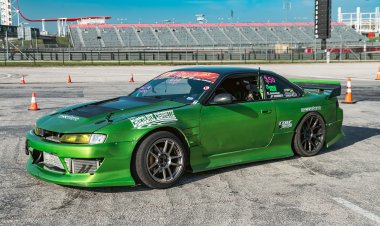
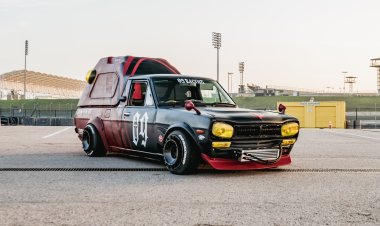
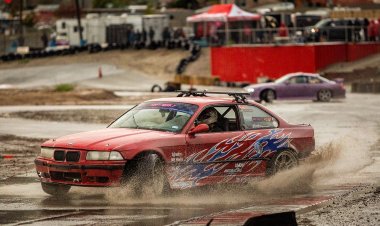

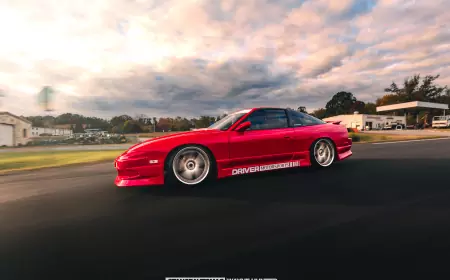


![[HOONIGAN] Ken Block's GYMKHANA NINE](https://img.youtube.com/vi/_bkX5VkZg8U/maxresdefault.jpg)




































![[HOONIGAN] KEN BLOCK'S GYMKHANA SEVEN: WILD IN THE STREETS OF LOS ANGELES](https://cdn.motor1.com/images/mgl/2KlO4/s1/ken-block-london-tour-directors-cut.jpg)






























MaxPower: Britain's Modified Car Magazine
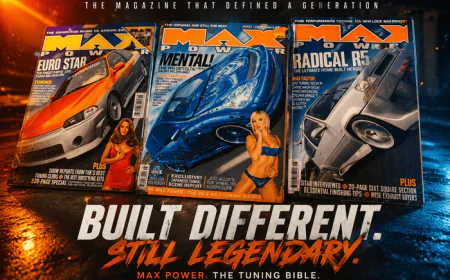
Max Power magazine defined a generation of UK car culture. From cruise nights to controversial stunts, discover the full story of Britain's biggest modified car magazine.

Max Power Magazine: The Story of Britain's Most Controversial Car Publication
There's a certain generation of British car enthusiasts who can tell you exactly where they were the first time they picked up a copy of Max Power magazine. It wasn't like the other car mags on the shelf. It didn't smell of leather interiors and press launches. It smelled of Halfords aerosol and ambition. It was loud, it was brash, it was absolutely everywhere in the late nineties — and for better or worse, it shaped UK car culture in ways that are still being felt today.
Launched in 1993 by EMAP, Max Power arrived at exactly the right moment. The modified car scene in Britain was bubbling under, fed by a steady diet of Japanese imports, cheap insurance write-offs, and a generation of young lads who'd grown up watching the Fast and the Furious before the Fast and the Furious even existed. The magazine didn't create that scene — but it gave it a voice, a set of rules, and a glossy front cover to aspire to.
How Max Power Defined a Generation of UK Car Culture
At its peak Max Power was the biggest-selling motoring magazine in Europe. Not just in Britain — in Europe. That's a number worth sitting with for a moment, because it tells you everything about how deep the modified car UK scene ran during that era. Motor manufacturers and PR teams who'd previously turned their noses up at anything with a bodykit and a neon underglow were suddenly knocking on the door, desperate for a piece of that readership. Test cars, product launches, brand exposure — the industry that once sneered was now very much courted.
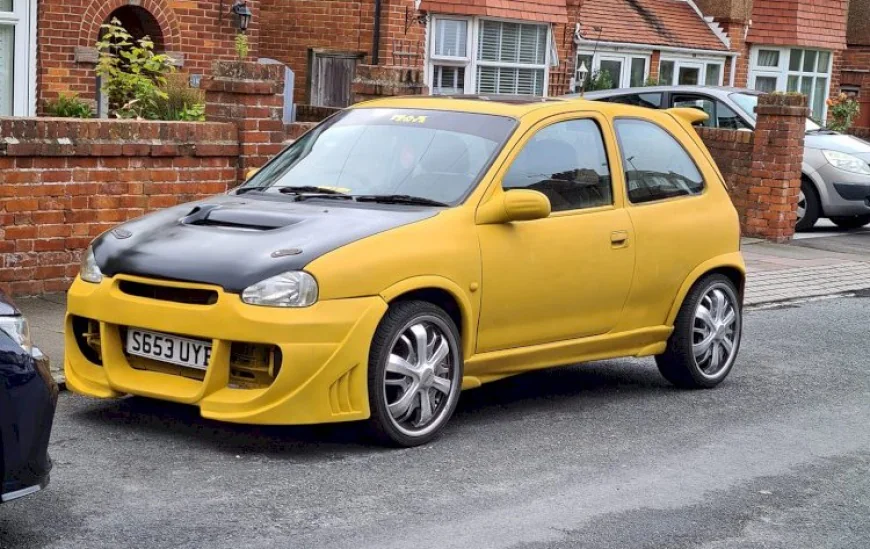
The formula was simple and brutally effective. Take a modified car, photograph it from every angle, spec it out in obsessive detail, and surround it with content that spoke directly to the kid saving up his wages to put alloys on a 1995 Vauxhall Corsa B. It worked because it was honest about what it was. Nobody was pretending to be something they weren't. The readers knew their cars, the writers knew their cars, and that shared language created a loyalty you couldn't manufacture.
The magazine expanded internationally too — published under licence in Greece, Denmark, Norway, South Africa, and France under the name ADDX. After EMAP acquired Petersen in 2000 a US edition launched, drawing on the existing MaxSpeed title and mixing American and British builds. It didn't last — EMAP sold its US arm to Primedia in 2001 and the stateside experiment ended — but the fact it got that far says something about how transferable the UK tuning culture formula was.
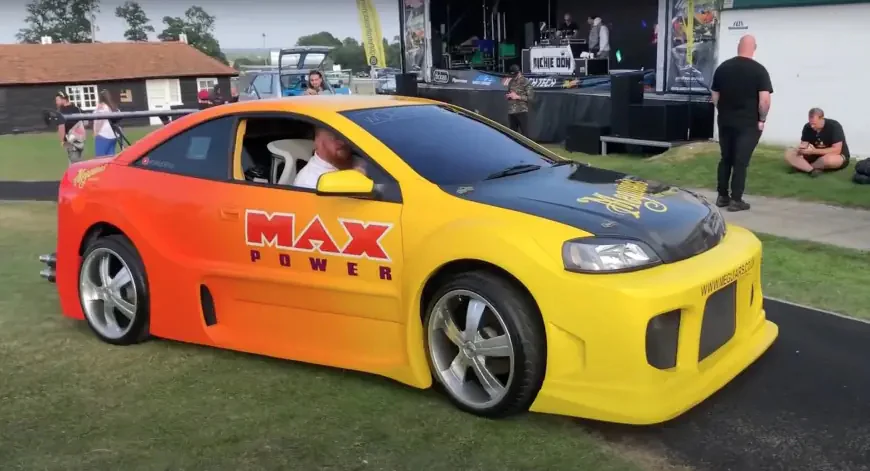
The Controversy That Followed Max Power Everywhere
You can't tell the story of Max Power cars without getting into the controversy, and there was plenty of it. The magazine had a complicated relationship with the cruise events that defined the era. It didn't just cover them — it rated them, with a scoring system that assessed the size of the police presence, the number of burnouts, and criteria that would make most modern editors reach for the lawyers. It was provocative by design, and it worked brilliantly as a circulation strategy right up until the point it didn't.
The criticism came from multiple directions. Road safety groups went after the magazine for articles that glorified dangerous driving — drifting on public roads, top speed runs on the A1 pushing past 200mph — with disclaimers that satisfied nobody. Local authorities and police forces saw the cruise event coverage as direct promotion of events that were causing genuine problems. And then there was the glamour content, which attracted its own sustained criticism and earned the publication a reputation that sat somewhere between lads mag and car tuning magazine in a way that divided even its core readership.
Former staff included names that went on to become fixtures of British motoring media. Jonny Smith and Vicki Butler-Henderson — both later of Fifth Gear — were part of the original 1993 setup, which tells you something about the talent that was attracted to the project even in its earliest days. Butler-Henderson was one of the founding staff, which was a significant statement for a publication that would later be accused of reducing women to decoration.
The 2007 relaunch attempted to address some of these criticisms and pull the magazine toward a more serious car enthusiast audience. Glamour shoots were pulled initially, the tone dialled back, the emphasis placed more squarely on the builds and the culture. It didn't stick — the shoots came back, the tension between credibility and newsstand appeal never really resolved — and the magazine folded in 2011 after nearly two decades of never quite making up its mind what it wanted to be.
The Cars That Made Max Power What It Was
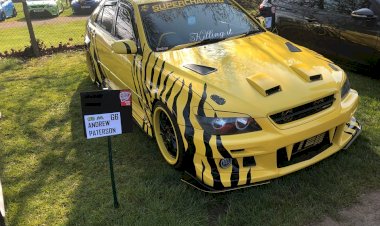
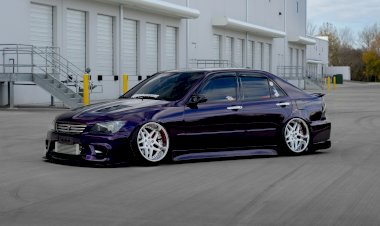
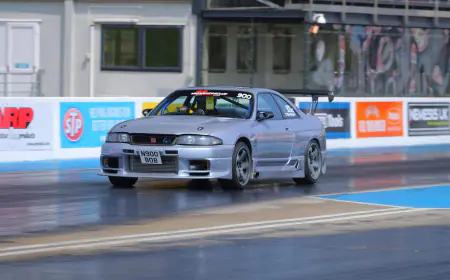
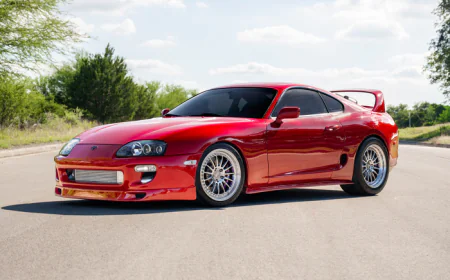
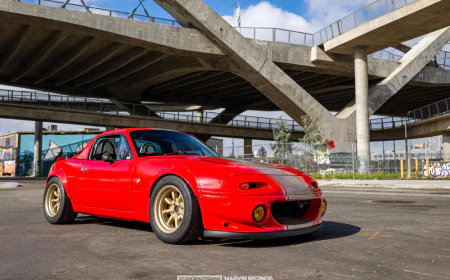
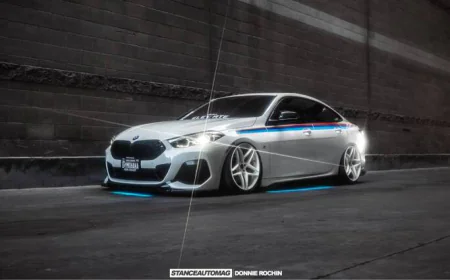
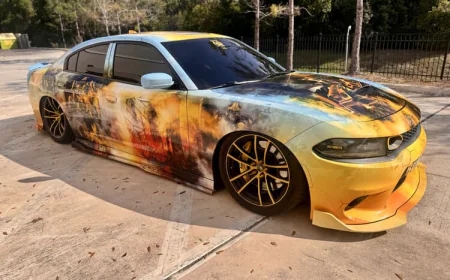
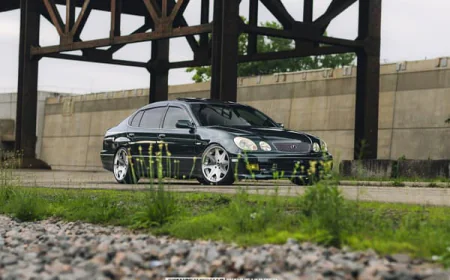
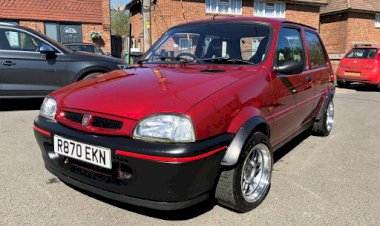
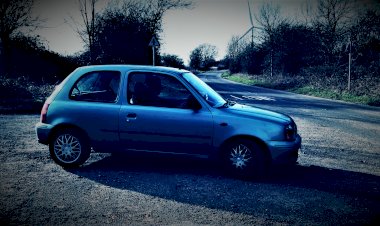
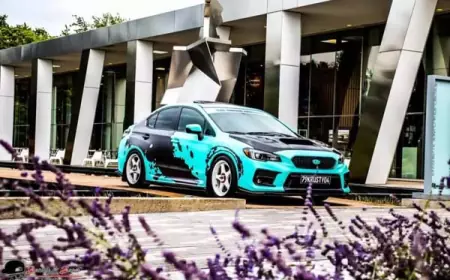
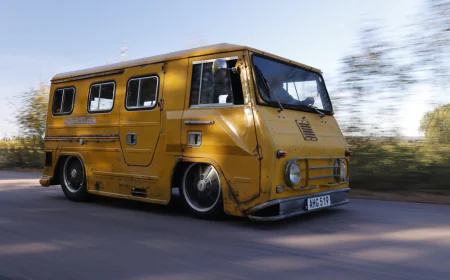
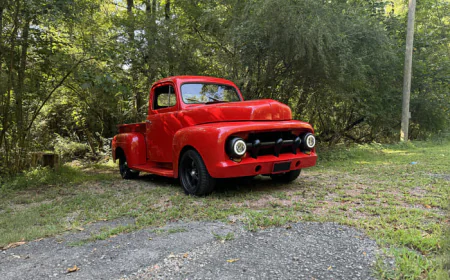
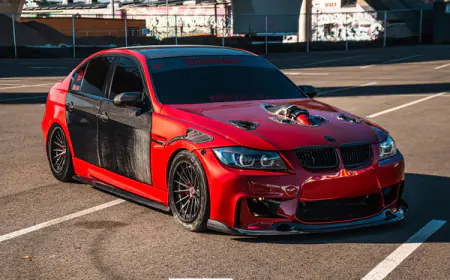
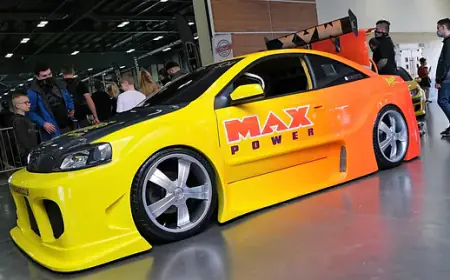
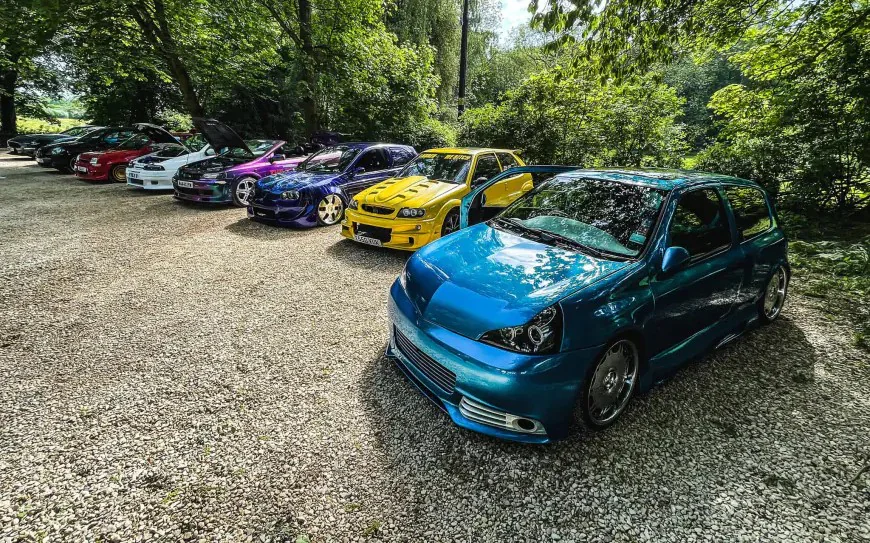
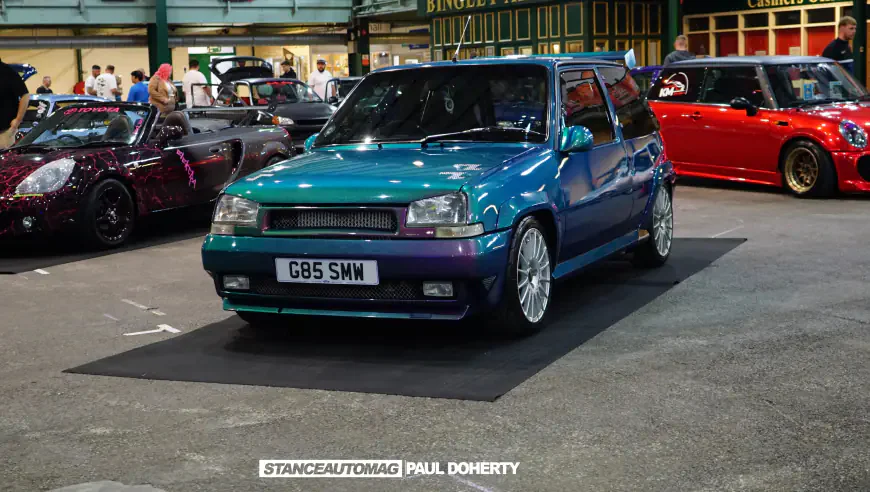
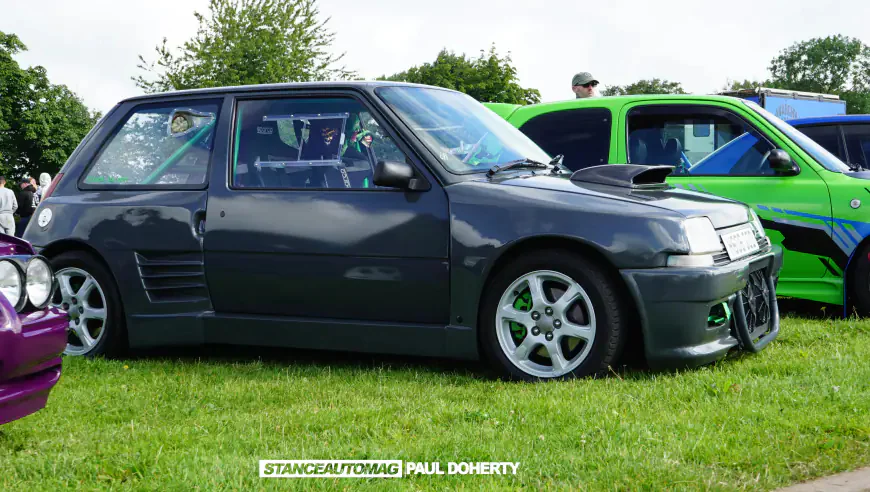
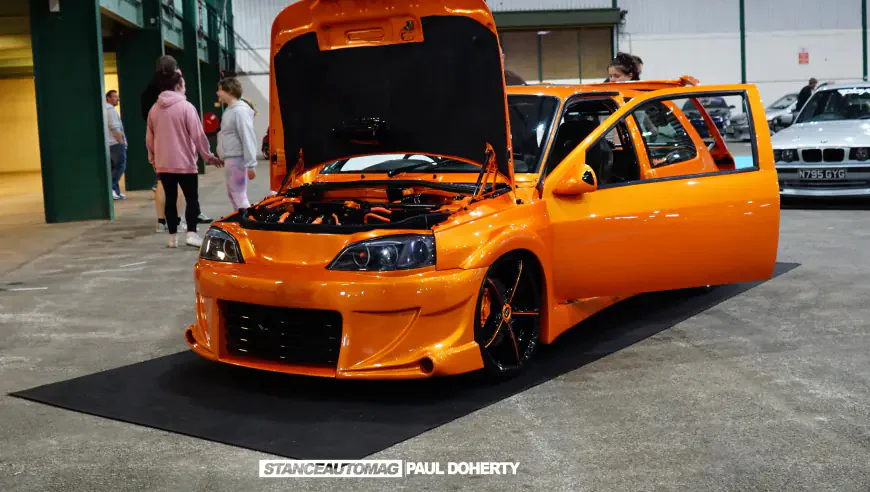
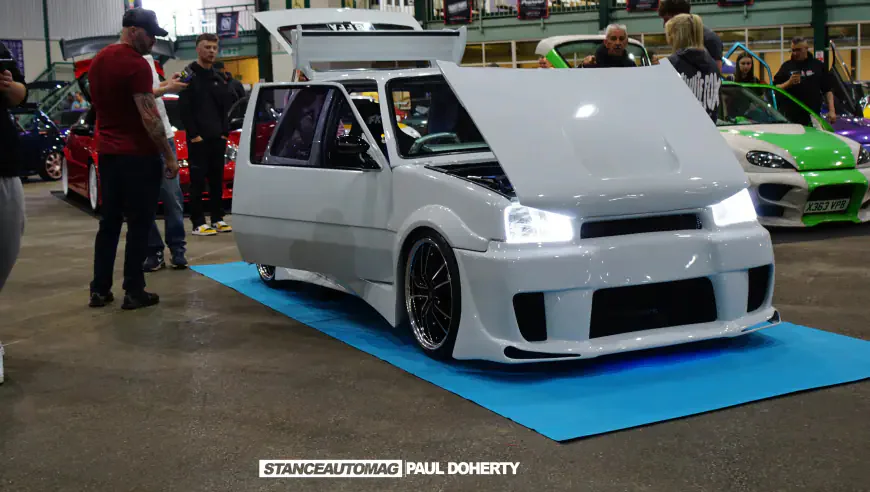
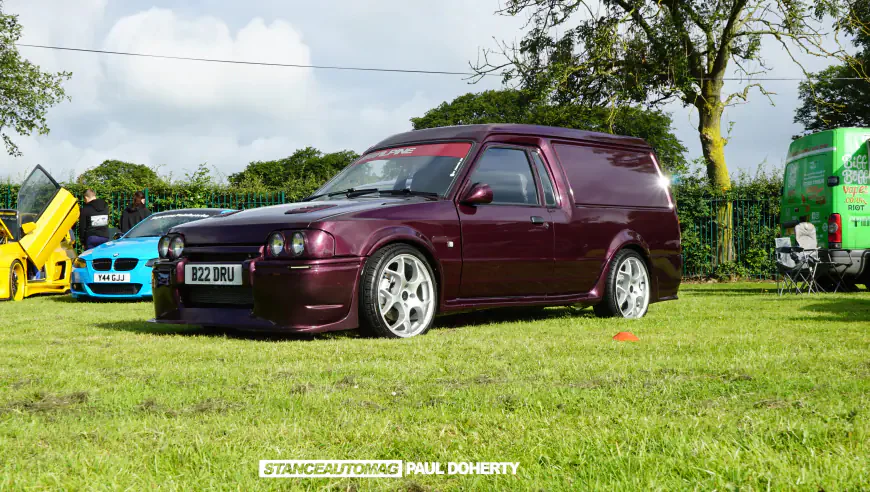
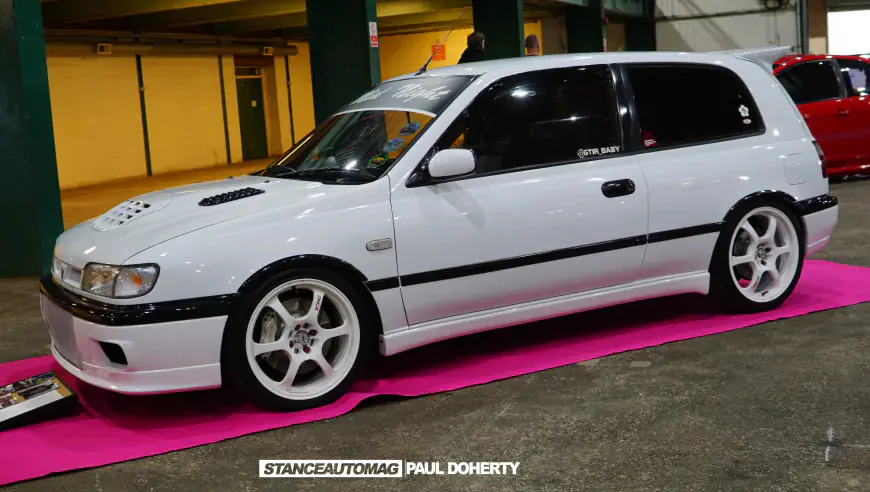
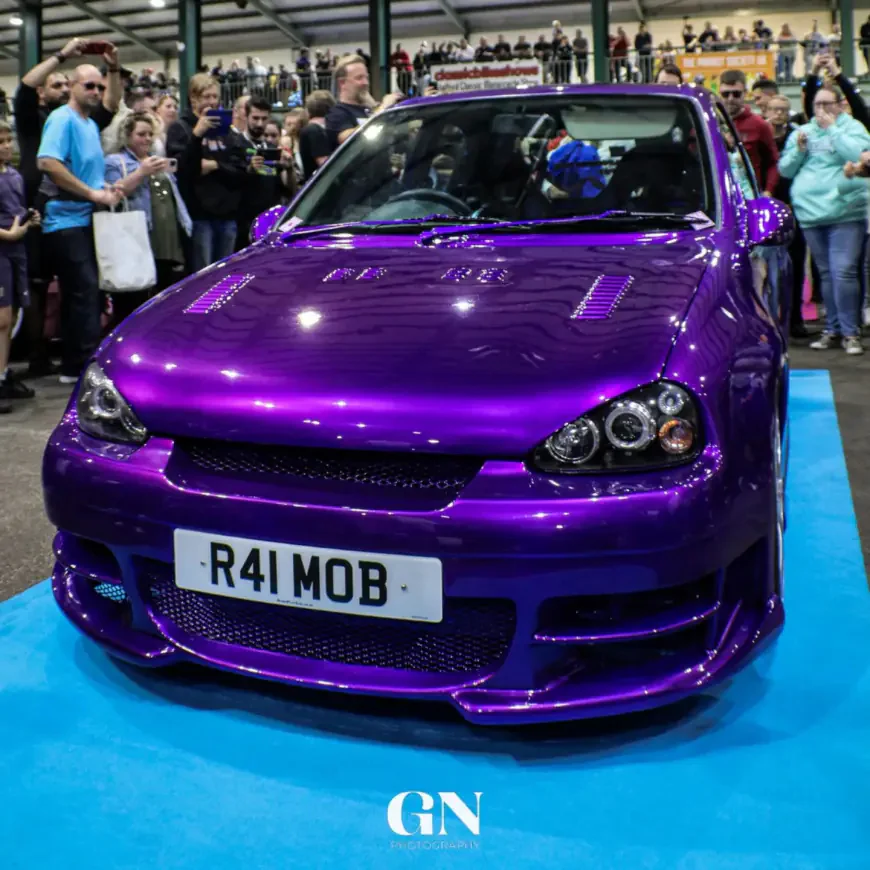
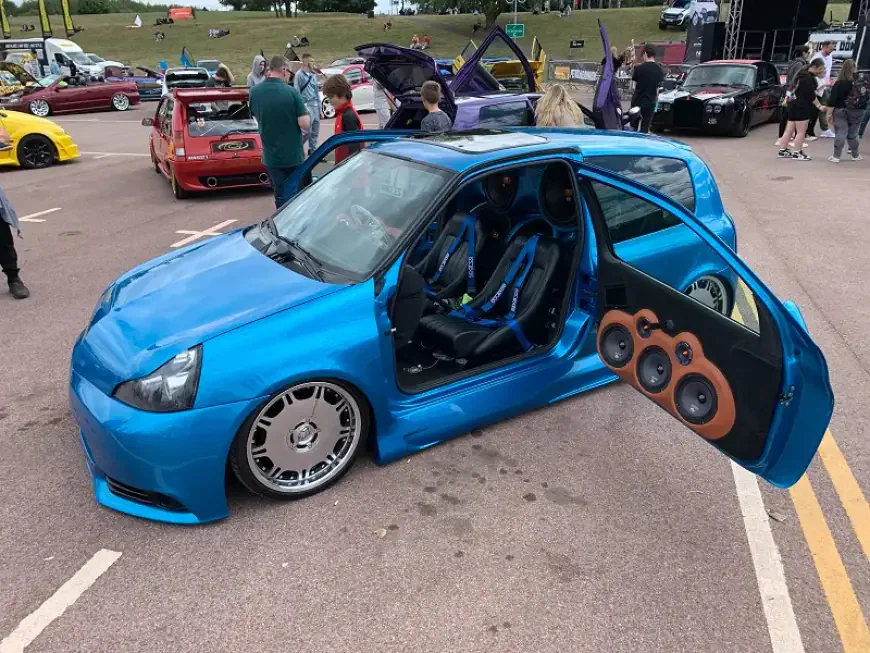
Strip away the controversy and what you're left with is an extraordinary archive of British car culture at a very specific moment in time. The cars that filled those pages weren't supercars and they weren't press fleet Audis. They were Novas with fibreglass widebody kits. Saxos with ICE installs that cost more than the car. Silvias imported from Japan with right-hand drive conversions that weren't entirely legal. Modified cars built by people with more passion than budget, documented with the kind of reverence usually reserved for Ferraris.
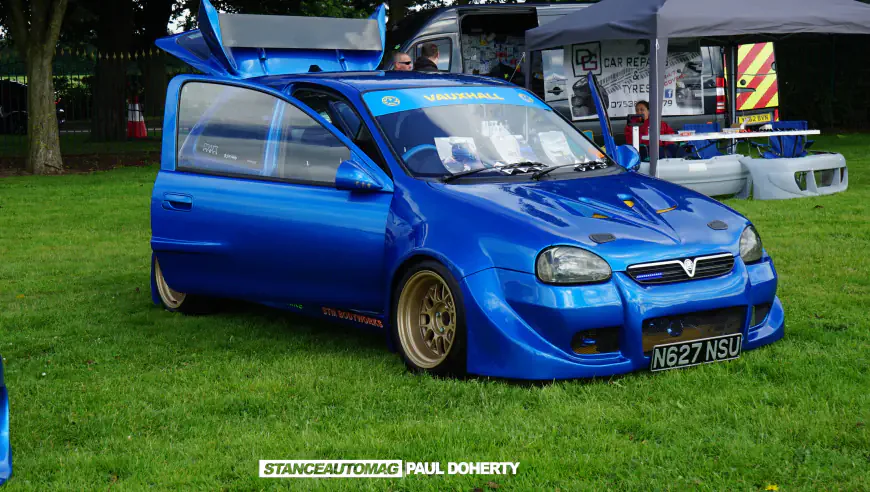
That ethos — the idea that a modified Corsa deserved the same respect as anything wearing a prestige badge — was genuinely radical for its time. The mainstream motoring press didn't cover these cars. Road tests were for new metal with press launches and canapés. Max Power understood that the most interesting cars in Britain weren't being made in factories, they were being built in driveways in Wolverhampton and Basildon and everywhere in between. You can see that same energy in the builds we cover today — check out this 1995 Vauxhall Corsa B Max Power revival for a taste of what that scene looked like at its most pure.
Max Power's Legacy in the Modern Modified Scene
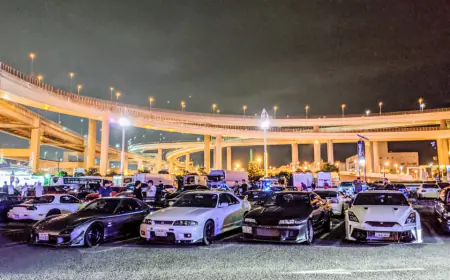
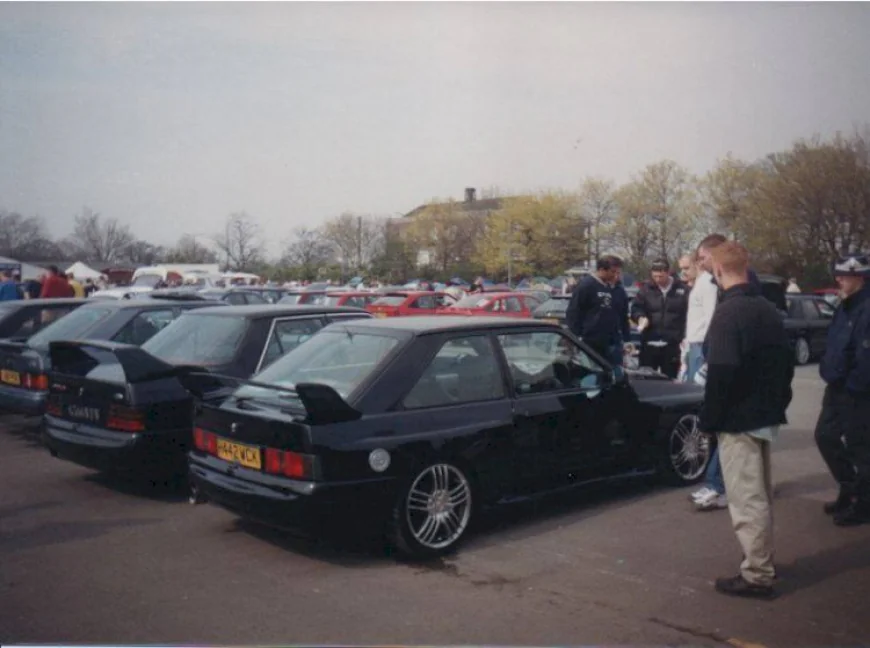
The magazine is gone but the culture it documented and amplified is very much alive. The modified car scene in the UK never went away — it shifted, evolved, found new platforms and new audiences, but the fundamental impulse that drove someone to spend their weekends in a car park in 1998 is the same one driving someone to a show today. The cruise night became the car meet. The magazine became Instagram and YouTube and publications like this one.
The Max Power Reunion events have tapped directly into that nostalgia and found a genuine audience for it — thousands of people who grew up with the magazine showing up to celebrate the era it represented. We covered the Max Power Reunion 2024 and the atmosphere was exactly what you'd hope for — pure, unfiltered enthusiasm for a style of car culture that the mainstream still doesn't quite know what to do with. The From Neon Dreams to Reality feature on the 2024 event captures it well if you want to get a feel for what's kept the spirit alive.
There's an interesting debate to be had about whether Max Power helped or hurt the modified scene in the long run. It gave the culture visibility and a mainstream platform at a time when that mattered. It also attracted exactly the kind of negative attention that led to tighter legislation around cruise events and modified vehicles. Probably both things are true simultaneously, which is usually how it goes with anything that genuinely connects with people.
From Then to Now — Where the Modified Scene Stands
UK car culture in 2026 looks different on the surface but recognisable underneath. The cars are cleaner, the builds more considered, the social media documentation more polished. But go to any decent show and you'll find the same conversations happening that were happening in those car parks in 1998 — who's running what setup, what the new import scene looks like, which builds are worth watching. The modern vs old debate never really gets resolved and never really needs to be.
Max Power magazine gave a generation permission to take their hobby seriously. It told them the car they'd built in their driveway was worth photographing, worth writing about, worth celebrating. That's not nothing. That's actually quite a lot. The controversy was real and some of it was genuinely irresponsible — but so was plenty of what passed for serious motoring journalism in the same era, just with better suits and a different kind of recklessness.
The magazine is gone. The culture it championed isn't. And that's probably the best thing you can say about any publication — that what it stood for outlasted the printing press.
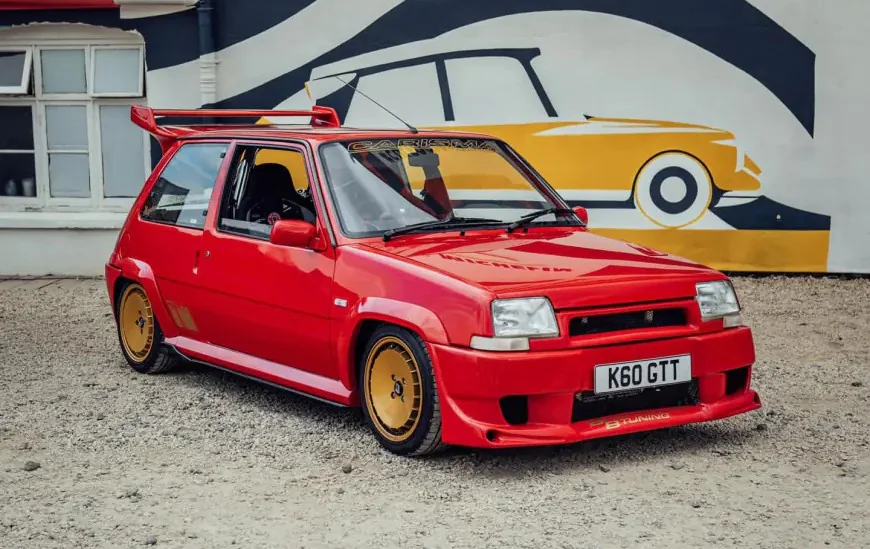
For more on the builds and culture that carry that spirit forward, explore the Matt Davies 1995 Renault 5 Campus GTT feature, or browse the full modified car archive at Stance Auto Magazine.
 Like
0
Like
0
 Dislike
0
Dislike
0
 Love
0
Love
0
 Funny
0
Funny
0
 Angry
0
Angry
0
 Sad
1
Sad
1
 Wow
0
Wow
0