





















.png)



![[HOONIGAN] Ken Block's GYMKHANA NINE](https://img.youtube.com/vi/_bkX5VkZg8U/maxresdefault.jpg)


























![[HOONIGAN] KEN BLOCK'S GYMKHANA SEVEN: WILD IN THE STREETS OF LOS ANGELES](https://cdn.motor1.com/images/mgl/2KlO4/s1/ken-block-london-tour-directors-cut.jpg)





















What Is Kanjozoku? Osaka's Underground Highway Racing
Kanjozoku is Osaka's underground highway racing culture, built around tiny, heavily tuned Civics on the Kanjo Loop - here's what it actually means.
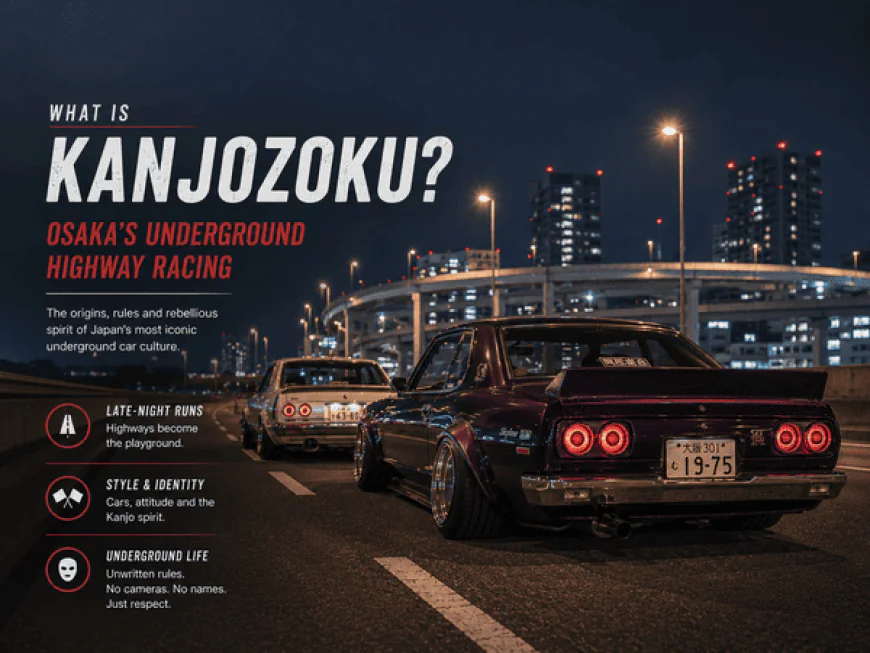
What Is Kanjozoku?
Osaka's Underground Highway Racing
Why do certain tiny, aggressively modified Honda Civics with huge wheels and boxy fender flares keep showing up in car culture content with almost cult-like reverence? That's kanjozoku, a genuinely specific, Osaka-born subculture built around one particular stretch of highway and a very particular kind of car.
Kanjozoku at a Glance
- Kanjozoku translates roughly to "loop tribe," referring to racers on Osaka's Kanjo Loop (the Osaka Loop Line expressway)
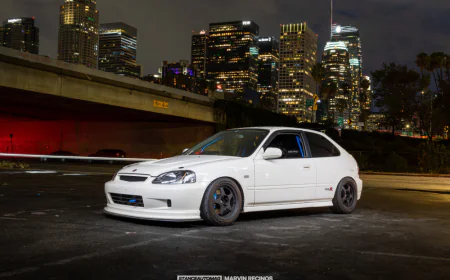
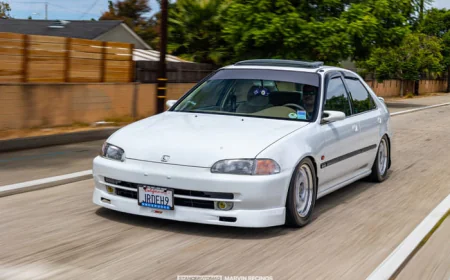
- Overwhelmingly associated with small, lightweight Honda Civics, particularly the EK9 and EG generations
- A specific branch of the wider hashiriya street racing culture, geographically and stylistically distinct
- Known for a highly recognisable visual style, boxy fender flares, deep-dish wheels, and deliberately minimal, lightweight builds
- Genuinely illegal, and subject to real, ongoing police enforcement on the actual Loop itself
Why Honda Civics Specifically?
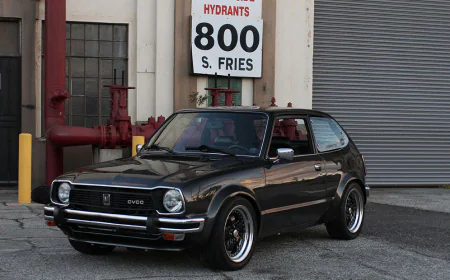
Kanjozoku culture built itself almost entirely around small, lightweight Honda Civics, particularly the EK9 (the JDM Civic Type R of its era) and related EG-generation cars, chosen specifically for their light weight and nimble handling on the Loop's tight, technical layout rather than for outright power. This is a genuinely different philosophy from touge's mountain-pass focus or kaido racer's motorsport homage, kanjozoku is built entirely around one specific piece of infrastructure and the particular skills it demands.
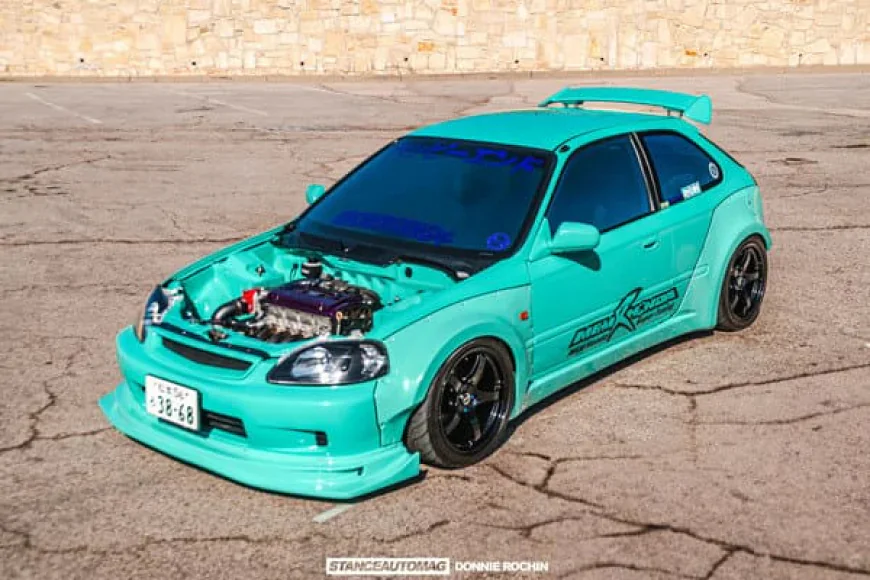
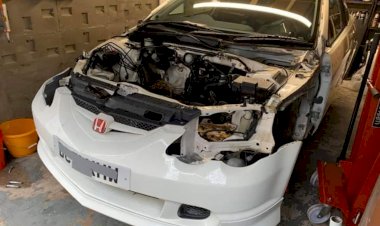
Honda Civic DX Hatchback: A RHD Type R Conversion
What Does the Kanjozoku Visual Style Actually Look Like?
Boxy, minimal fender flare extensions, deep-dish wheels, and a deliberately stripped-back, lightweight aesthetic define the look, prioritising function for the Loop's demands over any broader visual drama. Cars are often left looking almost deliberately unfinished or utilitarian by the standards of other JDM styling movements, reflecting the culture's practical, performance-first roots rather than the more theatrical visual language of kaido racer or bosozoku styling.
What Is the Kanjo Loop Actually Like?
The Osaka Loop Line is a genuine, functioning public expressway encircling central Osaka, not a purpose-built track, and kanjozoku racing takes place on real public infrastructure shared with ordinary traffic during the racing itself. This is exactly why it's treated so seriously by Japanese authorities, unlike a closed circuit, the risk extends directly to uninvolved road users, a genuinely dangerous activity rather than a victimless underground hobby.
How Is Kanjozoku Different From Touge or General Hashiriya Culture?
Where touge is defined by mountain pass roads and general hashiriya covers Japanese street racing broadly, kanjozoku is hyper-specific, one loop, one dominant car choice, one particular driving style built around navigating that exact infrastructure at speed. It's arguably the most geographically and stylistically narrow of the major named Japanese street racing subcultures, which paradoxically has made its visual identity one of the most instantly recognisable internationally.
Is Kanjozoku Still Active Today?
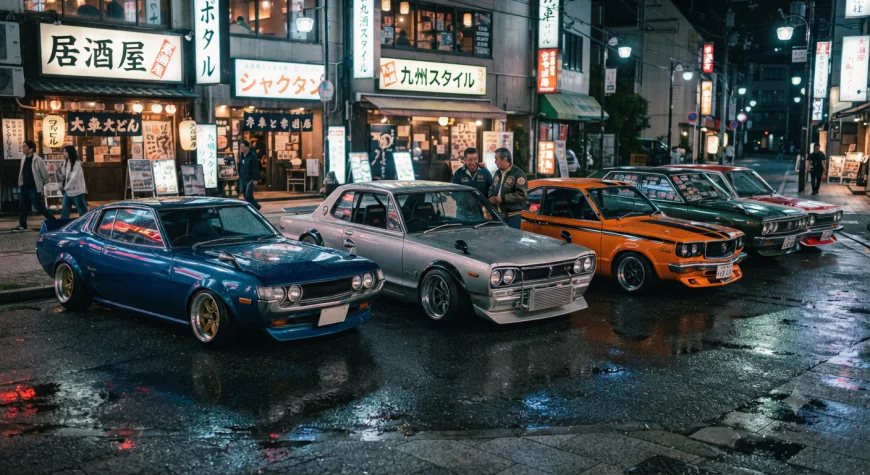
Yes, though heavily policed and increasingly difficult to practice given genuinely intensified law enforcement attention on the Loop specifically in recent years. The visual style and cultural reverence around kanjozoku-inspired Civic builds has spread well beyond anyone actually racing the Loop itself, with builders internationally adopting the aesthetic as a styling choice disconnected from the underlying illegal activity, similar to how bosozoku styling has evolved.
Is It Legal to Build a Kanjozoku-Style Car?
Building a car in the visual style, small Civic, boxy flares, deep-dish wheels, carries no inherent legal issue on its own, the illegality specifically concerns actually racing on public roads like the Loop, not the styling itself. A kanjozoku-styled build used purely for shows, meets, or standard road driving within legal limits is a completely different, legal proposition from the underlying racing culture it draws its aesthetic from.
Why Has Kanjozoku Style Become So Popular Internationally?
Social media and dedicated YouTube documentation of the culture have introduced kanjozoku's distinctive, instantly recognisable look to a global audience of Honda enthusiasts specifically, many of whom have never been to Osaka and never will race the actual Loop, adopting the style purely as a respected, specific aesthetic within the wider Civic and Honda tuning scene. International kanjozoku-inspired builds have become genuinely common at Honda-focused meets worldwide, a testament to how far a hyper-local Osaka subculture has travelled purely through its visual identity.
Common Misconceptions Worth Clearing Up
A frequent mistake is assuming any small, aggressively modified Civic counts as kanjozoku, when the term specifically references this particular Osaka lineage and its specific stylistic signatures rather than being a generic label for any compact hot hatch build. It's also worth understanding that genuine kanjozoku racers themselves are a small, specific group, the vast majority of kanjozoku-styled cars seen at meets worldwide are stylistic tributes built by enthusiasts who respect the culture's history, not actual participants in the underlying illegal Loop racing.
Related Reads
- Hashiriya Explained: The Street Racing Culture of Japan
- What Is Touge? The Mountain Pass Culture Explained
- Civic Type R Generations Compared
- What Is Bosozoku? Japan's Outlaw Car Culture Explained
For more JDM culture and driving history explainers, and everything else modified car culture, head back over to Stance Auto Mag. You can also grab the latest print issue through our Amazon magazine store.
 Like
0
Like
0
 Dislike
0
Dislike
0
 Love
0
Love
0
 Funny
0
Funny
0
 Angry
0
Angry
0
 Sad
0
Sad
0
 Wow
0
Wow
0