


































































.png)












![[HOONIGAN] Ken Block's GYMKHANA NINE](https://img.youtube.com/vi/_bkX5VkZg8U/maxresdefault.jpg)










































































![[HOONIGAN] KEN BLOCK'S GYMKHANA SEVEN: WILD IN THE STREETS OF LOS ANGELES](https://cdn.motor1.com/images/mgl/2KlO4/s1/ken-block-london-tour-directors-cut.jpg)






























5 Mistakes to Avoid When Financing a Used Car
Avoid costly errors when financing a used car. Learn about history checks, true valuation, budgeting, APR vs flat rate, and GAP insurance before you sign.
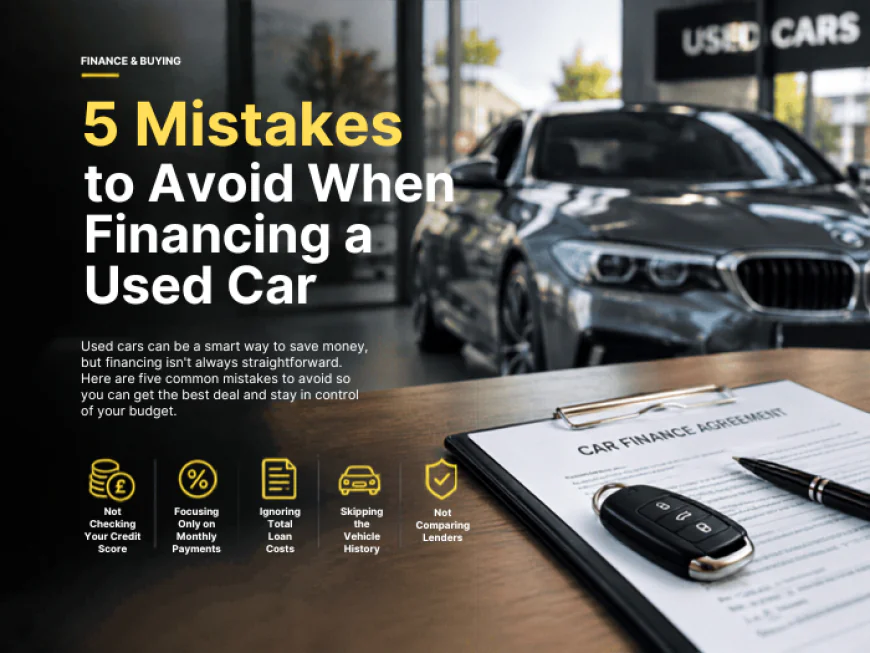
Financing a used car unlocks many possibilities for buyers, but missteps can turn an exciting purchase into a costly liability. From overlooking key paperwork to misunderstanding finance terms, common mistakes can severely impact your budget and ownership experience. Identifying and avoiding these pitfalls is essential for making a smart and secure investment that delivers value long after you drive away.
Every year, thousands of buyers face unnecessary risks because they miss crucial details in the car-buying process. Whether you are a first-time buyer or a seasoned enthusiast, understanding the most frequent errors can help you navigate the financial side of purchasing with confidence. This guide covers five major mistakes often made when financing a used car, and offers practical tips for steering clear of them. Issues such as misjudging a car’s value, failing to check history and documentation, or not understanding finance terms can all have long-term consequences, so it is important to be vigilant from the start. Securing the right used car finance option is only part of the process; a thorough approach can protect your investment and your peace of mind.
Not checking the car’s history before committing
One of the most significant oversights buyers make is failing to investigate a car’s ownership and condition history before arranging finance. Vehicles may have hidden issues such as outstanding finance, a past as a write-off, or potentially stolen status, all of which can be revealed with a professional history check. Missing these details could mean you are responsible for resolving disputes or even losing the car if titles are challenged later.
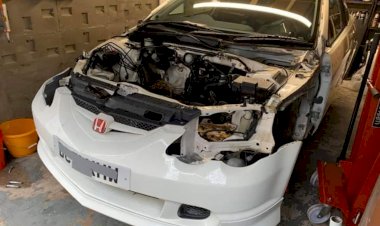
This is especially important if the car has modifications or comes from overseas, such as Japanese Domestic Market imports. Inaccurate or incomplete paperwork can lead to confusion over true valuation and eligibility for certain finance products. Always review documentation, MOT records, and VIN details to ensure they match the seller’s claims. A thorough background check shields you from unforeseen costs and aligns your borrowing with the vehicle’s real value.
Ignoring the true valuation versus the loan amount
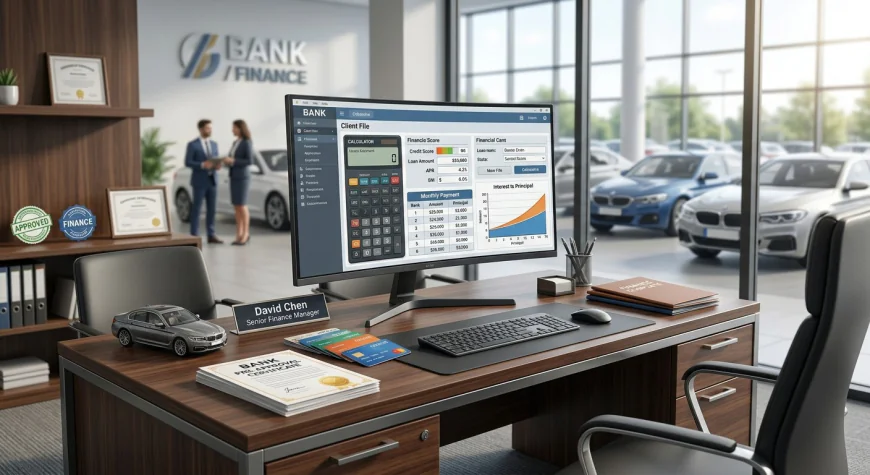
Another common pitfall is borrowing based on the seller’s asking price rather than a verified market valuation. Without a reliable third-party appraisal, you risk over-borrowing for a car that may be worth less than you pay. Overestimating value can result in higher monthly payments and negative equity if you need to sell or switch cars in the future.
Finance providers usually base their offer on verified details, but buyers must be proactive in comparing valuations from multiple sources. If a history check or inspection uncovers past accident repairs, high mileage, or incomplete service history, the car’s real worth may be lower than anticipated. Ensuring the borrowed sum truly reflects the vehicle’s condition and market standing prevents unpleasant surprises and supports responsible financial planning.
Over-borrowing and stretching your budget
Some buyers are tempted to maximise their loan amount for features or upgrades, without considering the true impact on their monthly budget. Taking out a larger loan than necessary may increase your debt burden and make it harder to keep up with payments, especially if unexpected costs such as repairs or higher insurance premiums arise later.
Financial discipline is key; calculate what you can comfortably afford before finalising your finance agreement. Look beyond the excitement of new features or cosmetic options and prioritise reliability and affordability. Overextending your budget can diminish the enjoyment of ownership and jeopardise your credit standing if payments become unmanageable.
Overlooking differences between APR and flat rate
Misunderstanding finance terminology is another mistake that can lead to paying more than expected over the term of your agreement. Two widely referenced figures are APR (annual percentage rate) and flat rate interest, and many buyers do not realise the significant difference between them. APR contains all costs and fees, offering a comprehensive view of total payments, while flat rate is based only on the original loan amount and may appear deceptively low at first glance.
When comparing finance offers, always ask for the APR rather than relying on the flat rate alone. This makes it easier to compare between lenders and ensures you understand your total long-term commitment. Read all supporting documentation carefully to see which rate you are being quoted, and do not hesitate to request clarification before signing any agreement.
Neglecting GAP insurance and early repayment terms
Many buyers skip over optional coverages such as GAP (Guaranteed Asset Protection) insurance, not realising its importance in safeguarding against loss if the car is written off and the payout falls short of your outstanding finance. Without GAP insurance, you may be left with significant out-of-pocket costs that could have been avoided with proper planning.
Similarly, early repayment terms are often glossed over, but reading them carefully can save money if you intend to settle your loan ahead of schedule. Some finance agreements include penalties or extra charges for early repayments, so it is vital to understand these provisions before committing. Thorough review of extra coverages and repayment conditions helps you make an informed decision and avoid being caught off guard during your ownership journey.
 Like
0
Like
0
 Dislike
0
Dislike
0
 Love
0
Love
0
 Funny
0
Funny
0
 Angry
0
Angry
0
 Sad
0
Sad
0
 Wow
0
Wow
0