


















































.png)











![[HOONIGAN] Ken Block's GYMKHANA NINE](https://img.youtube.com/vi/_bkX5VkZg8U/maxresdefault.jpg)






































































![[HOONIGAN] KEN BLOCK'S GYMKHANA SEVEN: WILD IN THE STREETS OF LOS ANGELES](https://cdn.motor1.com/images/mgl/2KlO4/s1/ken-block-london-tour-directors-cut.jpg)


































What's the Most Popular Car Colour in the World? (And Why Is Everyone So Scared of Colour?)
White is the world's most popular car colour, but the UK actually prefers grey. Here's the real data on car colour popularity — and why nobody buys yellow.
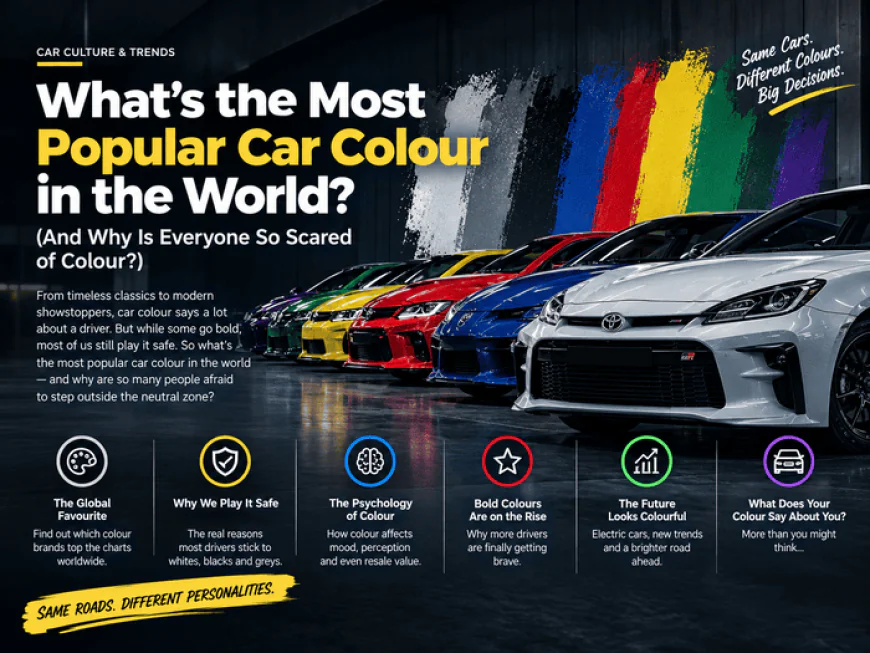
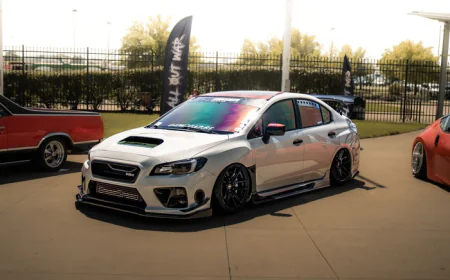
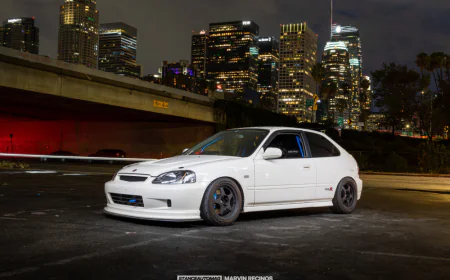
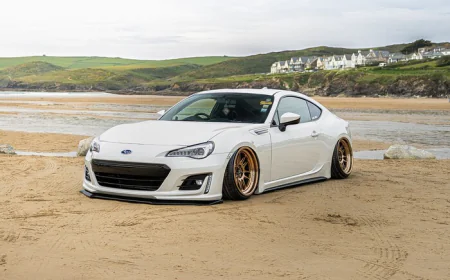
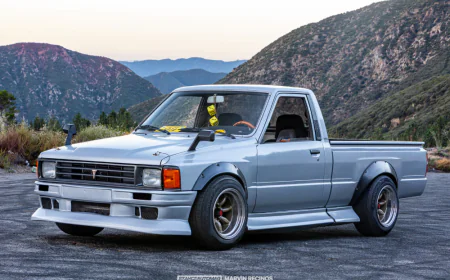
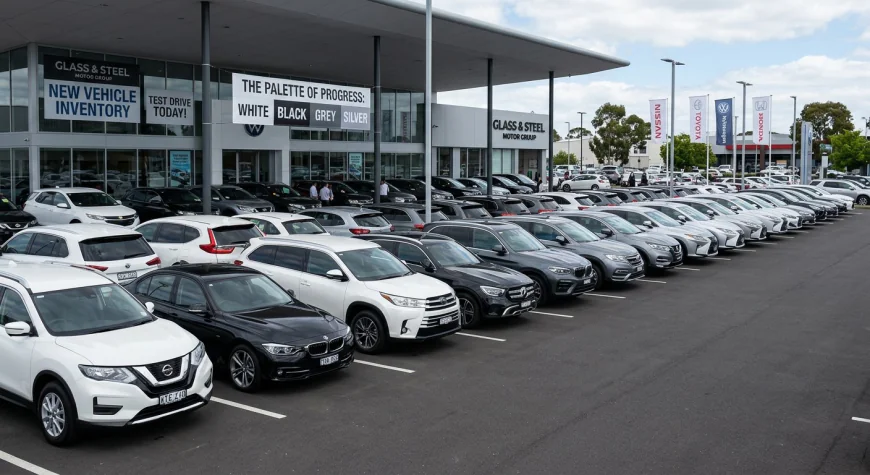
White is the most popular car colour in the world, and it isn't close. According to Axalta's Global Automotive Color Popularity Report — the industry's benchmark study, tracking paint data across dozens of countries every year — white accounted for 29% of every new vehicle produced globally, with black at 23% and grey right behind it at 22-23%. Add silver into the mix and neutral, greyscale tones account for roughly 80% of every car built on the planet.
In plain English: four out of five new cars rolling off a production line anywhere in the world are white, black, grey, or silver — colour, as a category, is a genuine minority choice.
Why White Wins Globally, But Not Everywhere
White's dominance isn't just about looking clean — it's partly practical. White reflects sunlight far more effectively than dark colours, which matters a lot in hot-climate markets, and it consistently photographs and resells well, which matters to fleet buyers and rental companies who account for a huge share of global vehicle purchases. But "most popular globally" hides some genuinely interesting regional splits. Axalta's own regional breakdowns show Asia running even whiter than the global average, while Europe flips the order entirely — grey edges out white as the continent's top pick, with black third.
Britain is the clearest example of that European pattern. According to the Society of Motor Manufacturers and Traders' annual registration data, grey has been the UK's single most popular new car colour for seven consecutive years, taking a record 27.8% share of all new registrations in 2024 — over 543,000 grey cars joined British roads that year alone, up 6.7% on the year before. Black came second, and blue pushed into third place for the first time since 2010, edging out white. Grey, black, and white combined accounted for close to two-thirds of every new car sold in Britain.
The Colours Nobody Buys
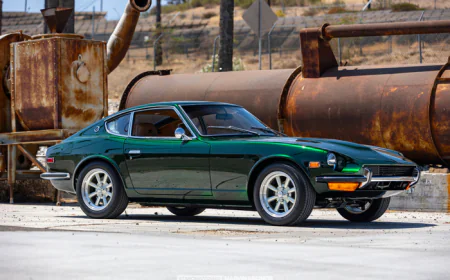
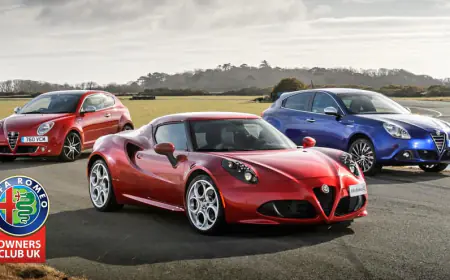
At the other end of the scale, pink is genuinely Britain's least popular car colour — SMMT data shows just 145 pink cars were registered in the UK in 2024, itself a 31% drop on the year before. Globally, the picture is similar: once you get past the top five or six shades, individual colours like yellow, brown, and green each represent low single-digit percentages of the total market, despite occasionally generating outsized attention online.
Does Car Colour Actually Affect Safety?
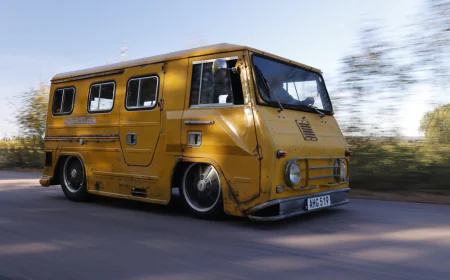
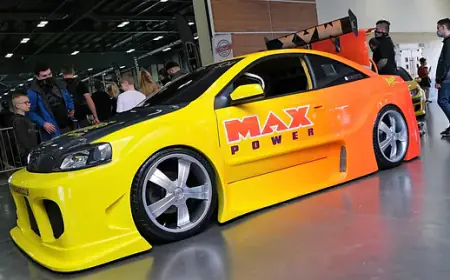
This is a genuinely popular internet rabbit hole, and there's some real research behind it. Multiple studies cited in independent colour-popularity research have found white cars get into measurably fewer collisions than black cars — one frequently cited figure puts it at roughly 12% fewer — with visibility, particularly at dawn, dusk, and in poor weather, doing most of the explaining. Some research has gone further and suggested yellow may edge out even white for visibility-driven safety, which is part of why yellow was chosen for school buses across much of the world in the first place. None of this means colour alone will save you in a crash — modern driver-assistance tech and basic road positioning matter enormously more — but it's a real, measurable effect, not just a myth.
Does Colour Preference Split by Gender?
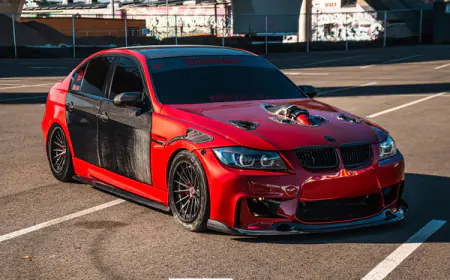
It's a commonly repeated claim, and there's actual survey data behind it too, even if it should be read as a mild statistical trend rather than a rule. A widely cited US consumer survey found men were about 12% more likely to prefer a red car, while women were about 9% more likely to lean toward silver. Preferences like this shift generationally and by market, and they say far less about any individual buyer than the surveys' headlines suggest — but the underlying data point is real, not invented.
The Colour Trend Actually Moving the Needle
If there's a genuine shift happening in 2026, it's not away from neutrals — it's a small but real crack in their total dominance. Industry colour forecasters have flagged green as the fastest-growing "chromatic" (non-neutral) colour globally, and premium and EV segments in particular are seeing a modest but consistent uptick in buyers choosing a genuine colour over a neutral. It's not close to overtaking white, black, or grey — but for an industry that's stayed remarkably beige for over a decade, even a couple of percentage points of movement is worth noting.
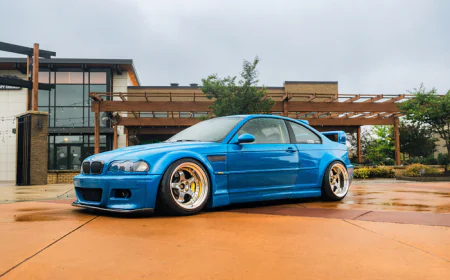
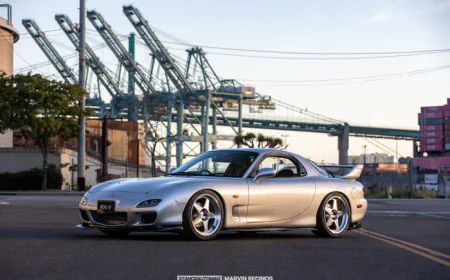
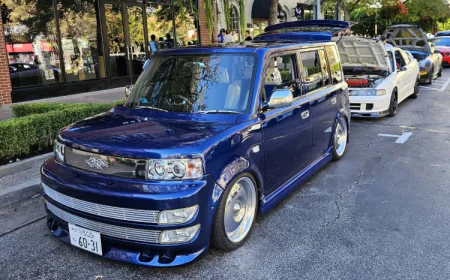
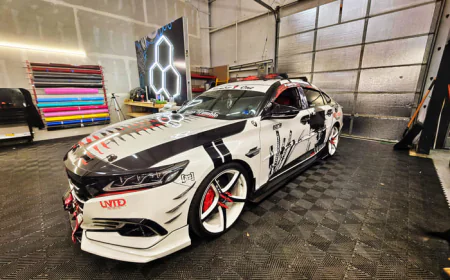
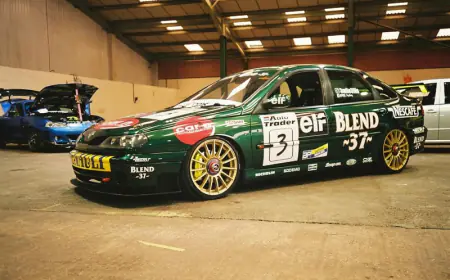
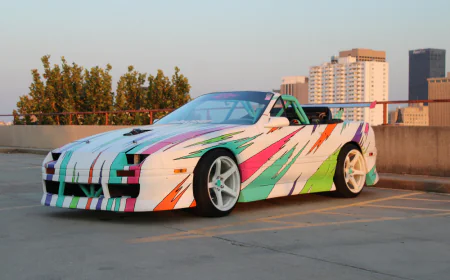
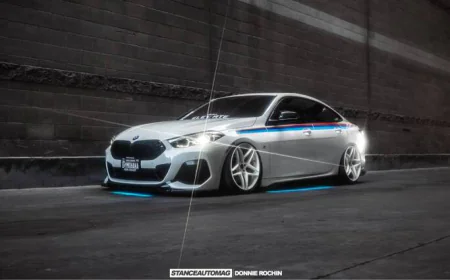
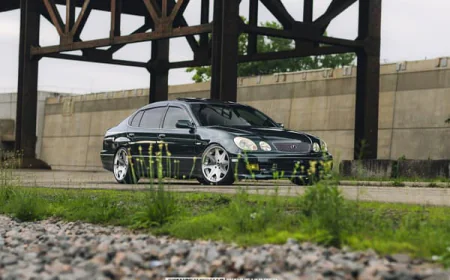
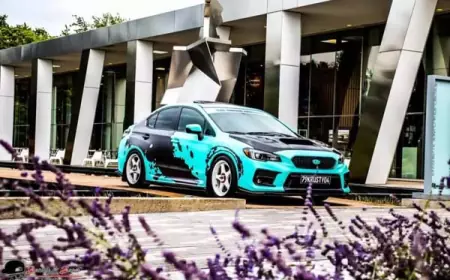
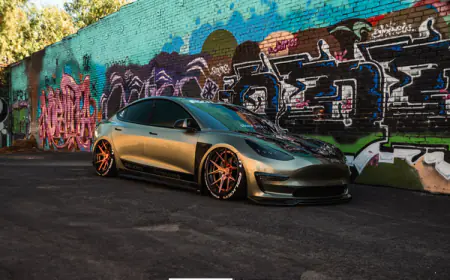
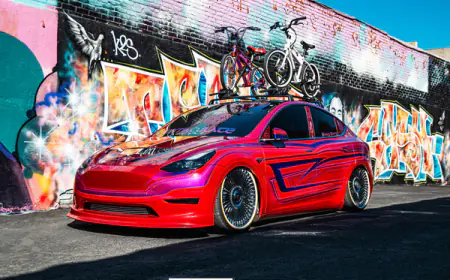
For a community built entirely around cars that don't look like everyone else's, the neutral-colour statistics land differently than they do for the average buyer — a genuinely bold paint job, wrap, or colour-change is still one of the simplest ways to make a car stand out from the 80% of the world's cars that are white, black, grey, or silver. Browse the advice and tips section for more on where colour fits into a build.
 Like
0
Like
0
 Dislike
0
Dislike
0
 Love
0
Love
0
 Funny
0
Funny
0
 Angry
0
Angry
0
 Sad
0
Sad
0
 Wow
0
Wow
0