





































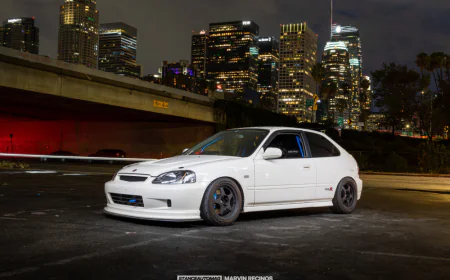















.png)






![[HOONIGAN] Ken Block's GYMKHANA NINE](https://img.youtube.com/vi/_bkX5VkZg8U/maxresdefault.jpg)
























































![[HOONIGAN] KEN BLOCK'S GYMKHANA SEVEN: WILD IN THE STREETS OF LOS ANGELES](https://cdn.motor1.com/images/mgl/2KlO4/s1/ken-block-london-tour-directors-cut.jpg)



































How to Organise a Legal Car Meet UK — The Complete 2026 Guide
Want to run a legal car meet in the UK in 2026? This complete guide covers permits, insurance, landowner agreements and everything you need to organise a proper event.
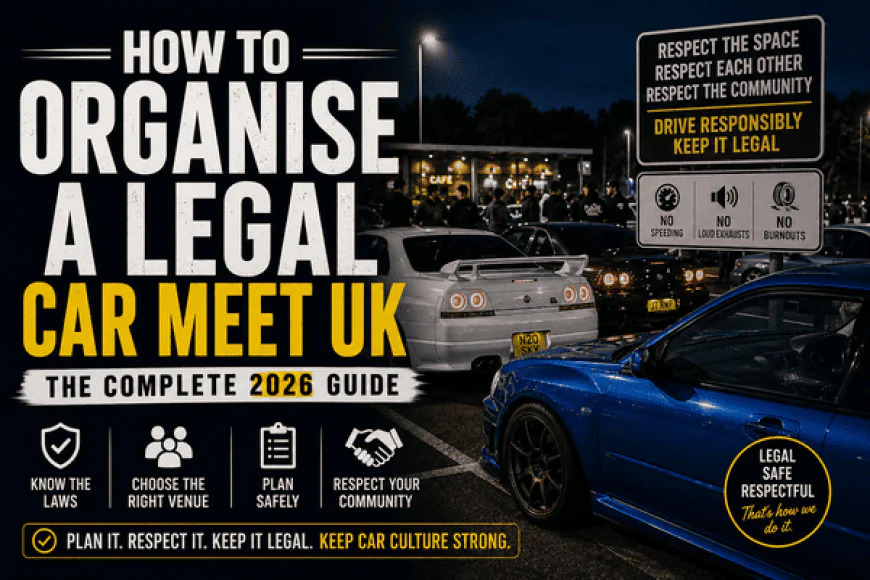
How to organise a legal car meet in the UK
If the recent wave of UK car meet crackdowns, PSPOs, and council injunctions has taught the car community anything, it's that the days of turning up somewhere informal with thirty cars and hoping for the best are increasingly numbered. The enforcement landscape in 2026 is tighter than it has ever been, the cameras are more numerous, and the legal tools available to councils and police are sharper than most people realise. But here's the thing — none of that actually needs to affect you if you organise a legal car meet in the UK the right way from the start. A properly run event, with the right paperwork, the right permissions, and the right attitude, sits in a completely different legal and practical space to the kind of gathering that ends with blue lights and dispersal notices. This guide covers everything you need to know to do it properly in 2026, from your first conversation with a venue all the way through to managing the day itself.
How to organise a legal car meet in the UK has never been more important knowledge for anyone involved in the scene. Whether you're planning a small monthly club gathering, a charity fundraiser show, or a large ticketed event with trade stands and a sound system, the fundamentals of doing it legally and responsibly are the same. Get them right and you have an event that can run year after year without drama. Get them wrong and you risk not just the event itself but potentially your personal liability, your venue relationship, and ultimately the reputation of the scene you're trying to celebrate.
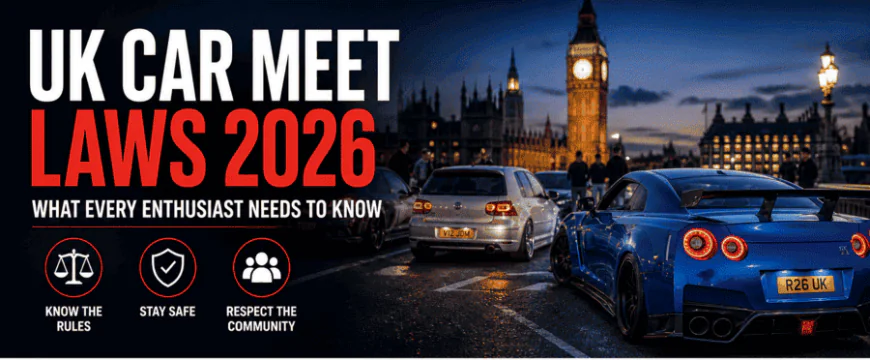
Start With the Venue — Landowner Permission Is Everything
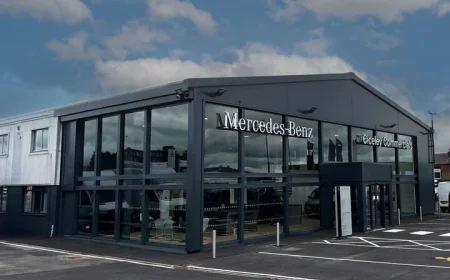
The single most important step in organising any legal car meet in the UK is securing written permission from whoever owns or manages the land you want to use. This sounds obvious, but it's the step that gets skipped most often, and it's the one that causes the most problems when things go wrong. Verbal agreements, longstanding informal arrangements, and assumptions based on the fact that you've been using a car park for years without anyone complaining are not sufficient in 2026. You need something in writing, and you need it before you promote the event publicly.
When approaching a venue, be upfront about what you're planning. Tell them the expected number of vehicles, the expected footfall, the duration of the event, and what activities will be taking place. If you want car audio demonstrations, let them know. If you're expecting modified or performance vehicles, say so. Venues that have had bad experiences with unannounced car meets will respect the transparency enormously, and many are genuinely enthusiastic about hosting well-organised events that bring footfall and spending to their site. Supermarket chains, retail parks, industrial estates, and dedicated event venues all have routes to formal permission — it just requires asking the right person, which is usually the facilities or estate management team rather than the on-site staff. Get the agreement in writing, keep a copy with you on the day, and make sure it clearly states the date, time, expected numbers, and any specific conditions the venue has attached.
Public Liability Insurance — Non-Negotiable for Any Legal Car Event
Once you have your venue permission confirmed, the next essential step is public liability insurance for your event. This covers you in the event that a member of the public is injured or property is damaged as a result of your event. Without it, you are personally exposed to any claims that arise, and in the current enforcement climate, running an uninsured event on someone else's land is the kind of thing that can follow you for a very long time.
The good news is that car show event insurance in the UK is widely available and relatively affordable for smaller events. Specialist providers like Ripe Insurance, Event Insurance Services, and a number of Lloyd's of London underwriters all offer short-term public liability policies specifically designed for automotive events. Costs vary significantly depending on the size of the event, the number of expected attendees, and whether you're planning any vehicle movement or demonstration activities on site — but for a static show with a few hundred cars, you can typically secure adequate coverage for a very reasonable sum. Larger events with thousands of attendees, live entertainment, or vehicle movement will need more comprehensive cover and should work with an insurance broker who specialises in events. Whatever the scale, the principle is the same: do not hold a legal car meet in the UK without having this in place.
Notify the Authorities — Yes, Really
A step that many organisers resist on instinct, but which makes an enormous practical difference, is notifying your local police and council in advance of your event. This isn't about asking for permission — you don't need police permission to hold a private event on private land with landowner consent. It's about professional courtesy that pays dividends in how any interaction on the day unfolds. When police are aware that a legitimate, organised car event is taking place in a specific location, they can plan accordingly rather than treating an unexpected concentration of modified cars as a potential incident.
Contact your local police non-emergency line or your neighbourhood policing team a couple of weeks before the event. Give them the date, location, expected attendance, and the name of a contact person who will be on site. Do the same with your local council's events or licensing team. In many cases you'll receive a positive and helpful response — councils in particular are often willing to flag any local issues you should be aware of or connect you with relevant contacts. At worst, you'll have documented that you made the effort, which counts for something if questions are ever asked later. The organisers of some of the UK's most successful and long-running car shows have built ongoing relationships with their local policing teams that mean officers turn up to check on events in a supportive rather than adversarial capacity. That relationship is worth its weight in gold.
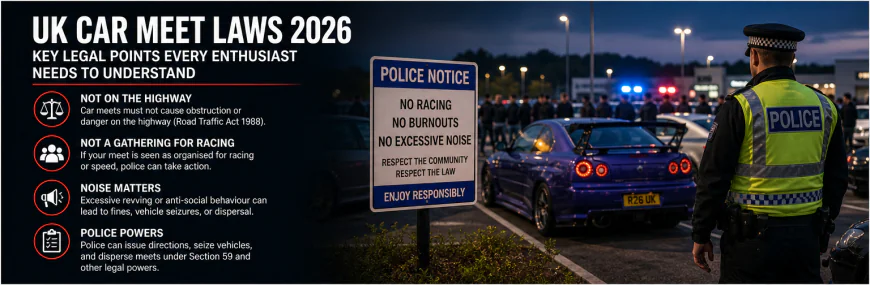
Lay Down the Rules — And Be Prepared to Enforce Them
One of the most important differences between a legal car meet and the kind of event that attracts enforcement action is the presence of clear rules and someone willing to enforce them. Before your event, produce a simple set of expectations for attendees. These don't need to be complicated — no driving on the show area, no burnouts or wheel spins, no excessive revving, no antisocial noise after a certain time, no alcohol in the car park — but they need to exist in writing and they need to be communicated to everyone who attends.
Post the rules on your event page, include them in any promotional materials, and have marshals or stewards on the day who are empowered to ask people to leave if they don't comply. This last point is where many organisers fall short — rules that aren't enforced are worse than no rules, because they suggest the organiser is aware of the behaviour and tolerates it. If you have someone doing burnouts in your car park and you don't address it, you own some of the problem. If you address it promptly, ask the person to leave, and document that you did so, you have demonstrated that the event is managed responsibly. That matters enormously if council enforcement officers or police ever review what happened at your event. For inspiration on how the best events in the UK car scene handle this, have a browse through the show coverage over at Stance Auto Magazine — the standard set by well-run events is higher than you might think.
Traffic Management and Neighbours — Don't Overlook the Obvious
Two of the most common reasons that otherwise well-run car shows in the UK attract complaints and create problems are traffic management and impact on neighbours — and both are entirely preventable with a little planning. If your event is going to bring a significant number of vehicles to a location, think carefully about how they're going to arrive and depart. Queues of modified cars on residential streets, blocking junctions, or causing congestion on main roads are exactly the kind of thing that generates noise complaints and council interest. Produce a simple traffic management plan — designated routes in and out, overflow parking arrangements, a rough schedule for arrival and departure — and share it with your venue contact and local policing team.
On the neighbours front, if your event is near residential properties, a proactive leaflet drop a week before the event goes a very long way. Let people know what's happening, when it starts and finishes, what the noise level is likely to be, and who to contact if they have concerns. Most people's objections to events near their homes come from not knowing what's going on and feeling like no one has considered their experience. A simple, friendly communication that acknowledges them as stakeholders rather than obstacles dramatically reduces the likelihood of complaints. It costs almost nothing and can be the difference between a smooth event and one that ends up on the council's radar.
After the Event — Leave It Better Than You Found It
The reputation of UK car meets and shows is built event by event, and one of the simplest and most powerful things any organiser can do to protect the scene long-term is to leave every venue in better condition than they found it. That means organising a litter pick at the end of the event, ensuring oil drips and fluid spills are dealt with, thanking the venue team personally, and following up with written feedback about how the event went. Venues that feel respected and valued by car show organisers become long-term partners. Venues that feel used and left with a mess to clear up don't offer their space again, and they talk to other venues.
This applies equally to the surrounding area. If attendees are parking on nearby streets, make sure those streets are left clean. If there's a local cafe or pub near the venue, actively encourage attendees to support it — a car show that generates visible economic benefit to a local area is one that the community values rather than resents. The long-term survival of legal car culture in the UK depends on the car community being seen as an asset to the places it uses, not a burden. Every event that leaves a positive impression makes the next one easier to organise and harder to legislate against.

How to Organise a Legal Car Meet UK — The Quick Checklist
Before you hold any car event in 2026, make sure you have covered all of the following. Written landowner permission for the specific date and expected numbers. Public liability insurance confirmed and documentation available on the day. Local police and council notified in advance with a named contact provided. Clear event rules produced and shared with attendees before the day. Marshals or stewards identified and briefed on enforcement. Traffic management plan in place for arrival and departure. Neighbouring properties notified if relevant. Post-event clean-up organised. These aren't bureaucratic hoops — they are the difference between an event that runs smoothly year after year and one that attracts the exact kind of attention that is making life harder for the whole UK car meet scene right now.
For more on how to navigate the UK car scene in 2026 — from build guides to event coverage to the latest on the laws affecting car culture — keep it at Stance Auto Magazine. And for the full detail on PSPO legislation and how it applies to car gatherings, the UK Government's guidance on Public Spaces Protection Orders is worth reading in full.
 Like
0
Like
0
 Dislike
0
Dislike
0
 Love
0
Love
0
 Funny
0
Funny
0
 Angry
0
Angry
0
 Sad
0
Sad
0
 Wow
0
Wow
0