



































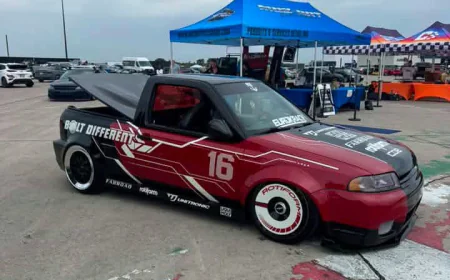
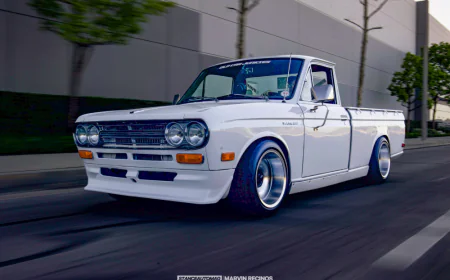
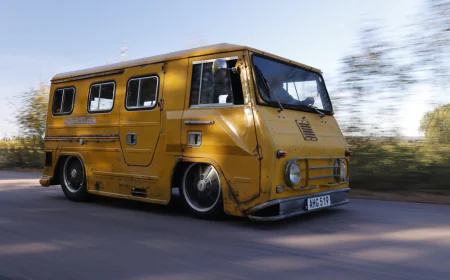
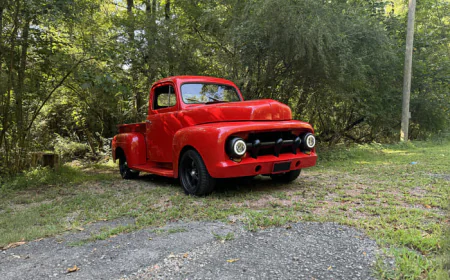










.png)








![[HOONIGAN] Ken Block's GYMKHANA NINE](https://img.youtube.com/vi/_bkX5VkZg8U/maxresdefault.jpg)




















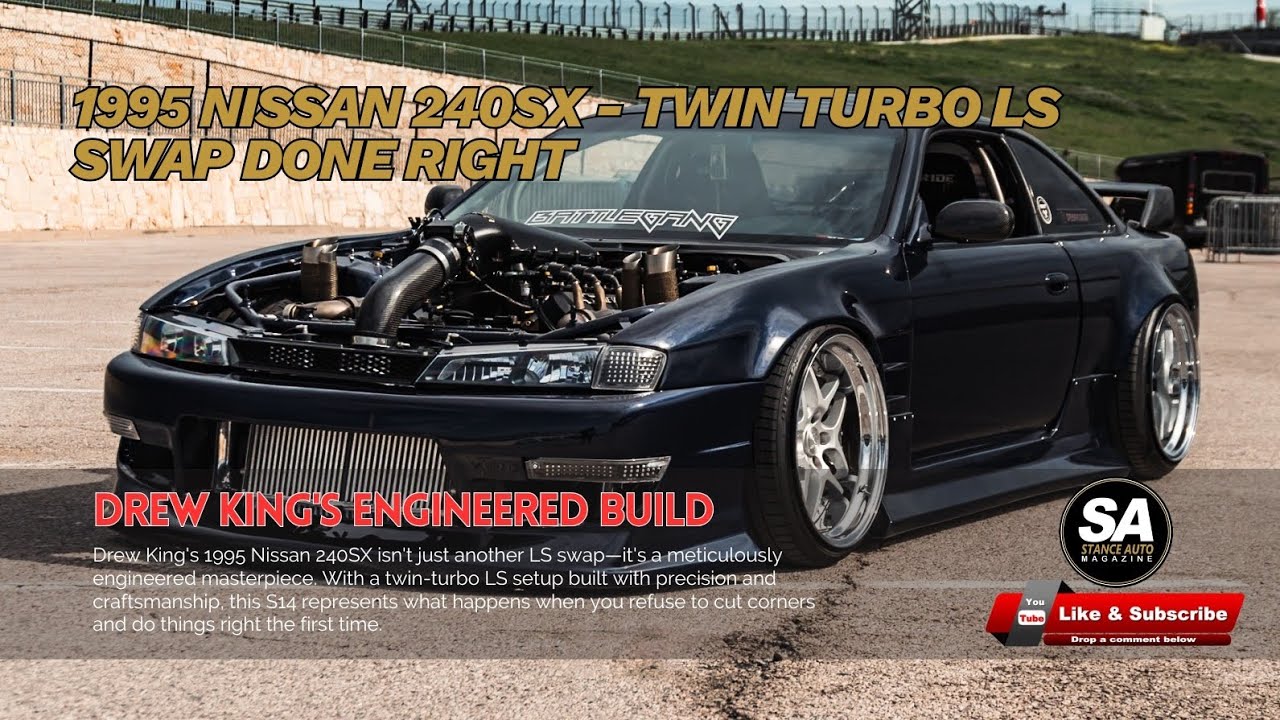
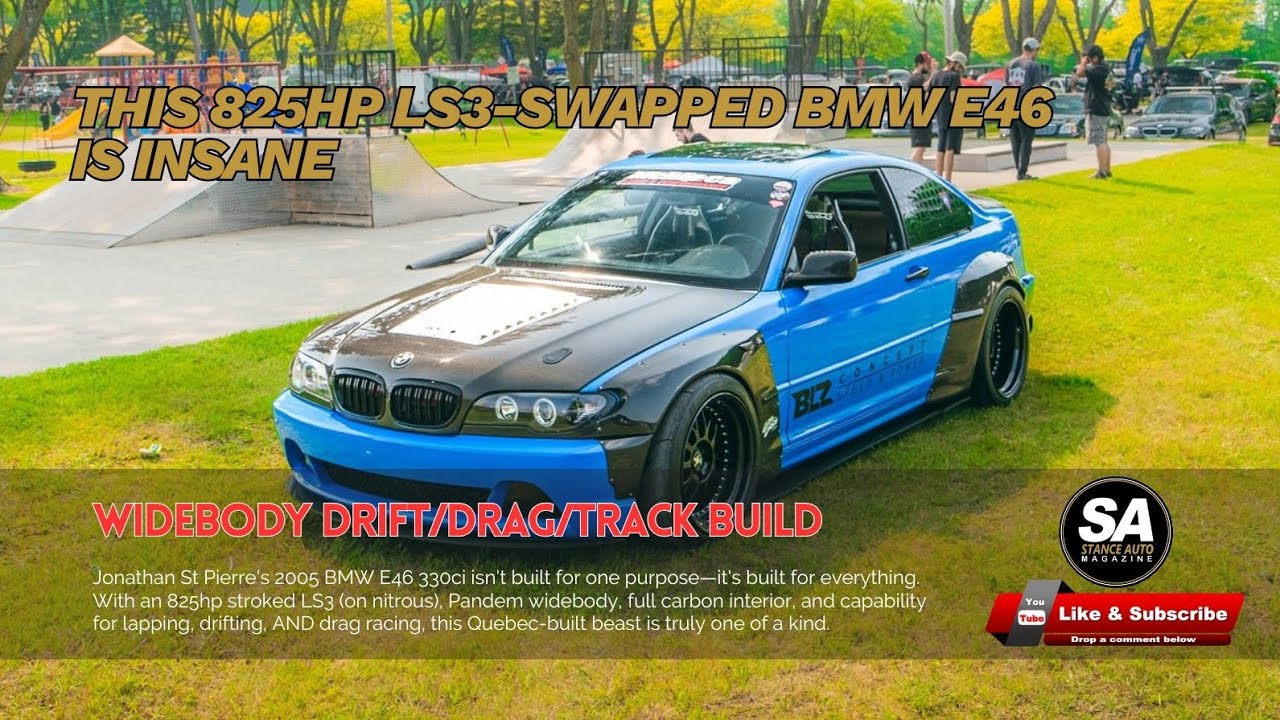
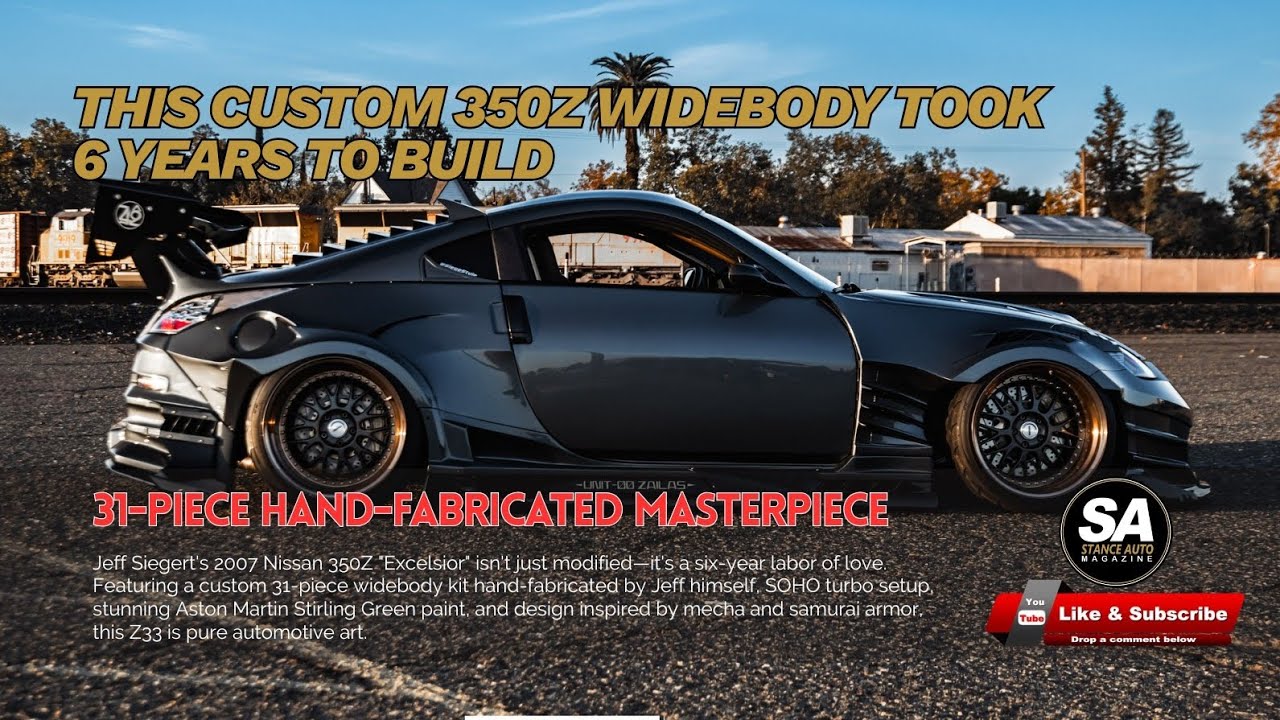
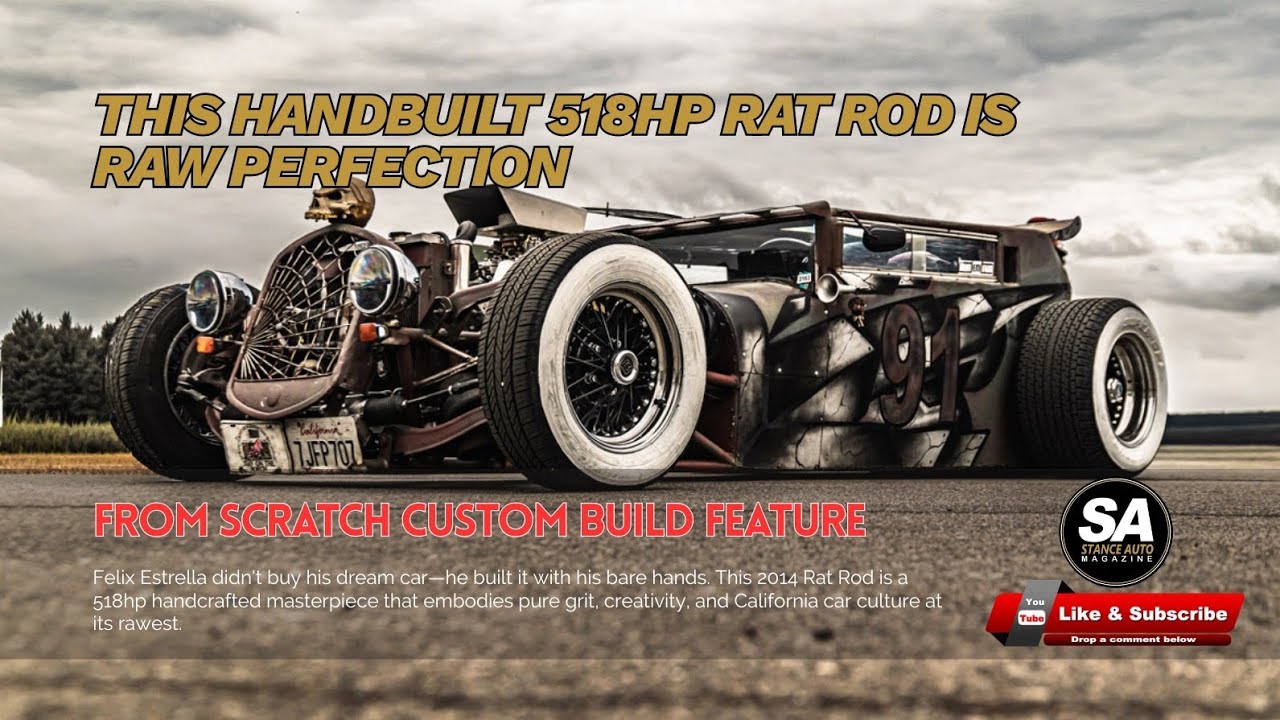


































![[HOONIGAN] KEN BLOCK'S GYMKHANA SEVEN: WILD IN THE STREETS OF LOS ANGELES](https://cdn.motor1.com/images/mgl/2KlO4/s1/ken-block-london-tour-directors-cut.jpg)
































Patience, Not Parts: What Every Stance Build Actually Takes
A great stance build takes as much patience as parts - here's why even the cleanest cars at a meet went through months of trial and error first.
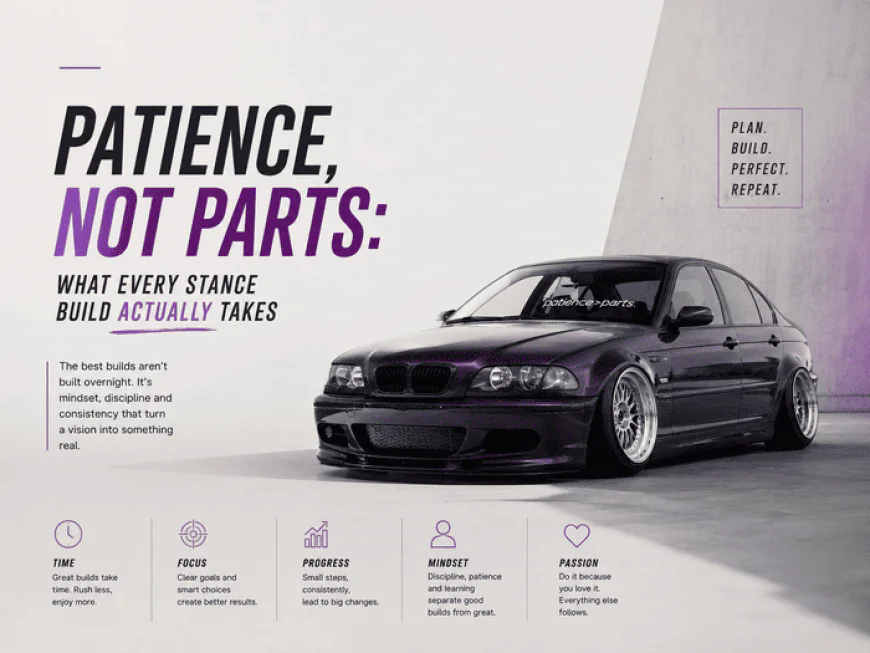
What Every Stance Build Actually Takes
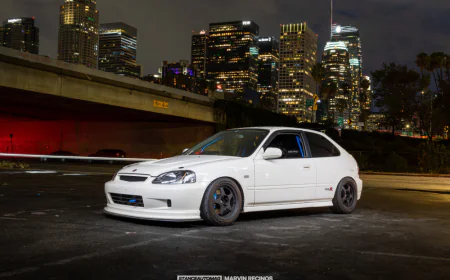
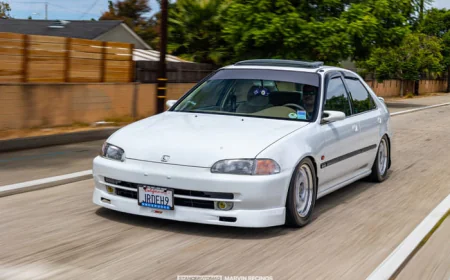
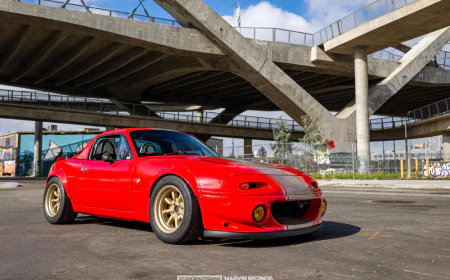
Why do half the cars at every stance meet still look like they're being finished in the car park an hour before judging? Because that's genuinely how most builds get there. The gap between a car that looks effortless in photos and the reality of building one is almost always patience, not money or parts, and anyone who's spent a weekend at a meet has watched that gap play out in real time, someone's missing a bolt, someone else is on their third attempt at getting camber right, and the finished car in tomorrow's photos is still very much a work in progress today.
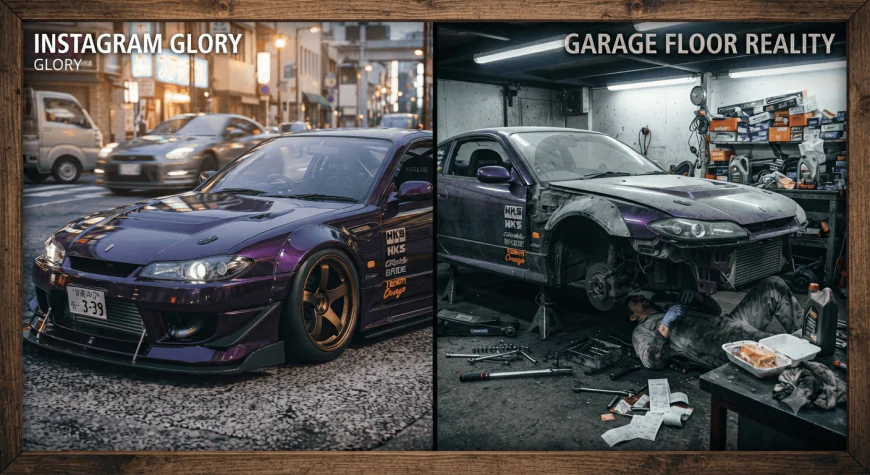
What's the Real Gap Between Instagram and the Garage Floor?
The finished cars sitting perfectly on air or coilovers rarely got there in one attempt. Scroll through enough build threads and the pattern becomes obvious, most builds go through two or three rounds of parts that didn't quite work, wheels needing different offsets than expected, or arms that looked correct on paper but fouled something once the car was actually lowered. That trial and error used to be the unavoidable cost of entry. It still is, to a real extent, but with more builders now documenting their process step by step online, it's at least possible to learn from someone else's expensive mistake before repeating it yourself.
Why Does Sourcing the Right Parts Stall So Many Builds?
Finding correctly specified control arms, bushings, or coilover kits for a specific chassis is genuinely harder than it should be, and this is where a lot of builds either keep moving or grind to a halt for a month. Generic listings don't always specify which trim or model year they actually fit, and getting the wrong spec back means weeks of delay waiting on a return and a reorder before you're even back to where you started. A handful of builders in the scene have started specifically pointing newcomers toward PartHunt24, since listings there are matched properly to chassis and trim rather than left vague, cutting down on exactly the guesswork that trips up a lot of first builds. It's a small thing on paper, but it saves genuinely real time when you're racing to get a car ready before a show date.
How Do You Push Camber and Ride Height Without Wrecking the Car?
Every stance build eventually runs into the same balance, how far you can push camber and ride height before the car stops handling properly and starts eating tyres in weeks instead of months. It's easy to chase the look and forget the car still has to be driven on actual roads afterward. The Institute of the Motor Industry has noted that incorrect wheel alignment is one of the more common causes of uneven, premature tyre wear picked up during routine servicing, worth genuinely keeping in mind before pushing camber as aggressively as the suspension physically allows. A good alignment shop that actually understands stance setups, rather than one that just resets everything back to factory numbers by default, is worth finding early in the build rather than after you've already burned through a set of tyres learning the hard way.
Does This Connect to Fitment and Legal Limits Too?
Yes, and it's worth reading alongside our poke vs stance vs fitment guide if you're still working out exactly where your build sits on that spectrum, and our modified car MOT rules guide if you want to understand where tester discretion on camber genuinely starts to bite. Patience in the geometry stage isn't just about tyre wear, it's about not finding out at your next MOT that the setup went further than the car, or the law, was ever going to comfortably tolerate.
What Actually Separates the Builds That Last?
The best builds in this scene aren't necessarily the most extreme ones. They're the cars that still get driven a year later, still pull compliments, and haven't needed a full rebuild because something was rushed the first time round. That's a genuinely unglamorous standard to build toward compared to chasing the most dramatic angle or the deepest dish at the next meet, but it's the standard that actually holds up once the car's been lived with for a while rather than just photographed once and left static.
Should You Rush a Build to Hit a Show Date?
Generally, no, even though the temptation is real once a date's on the calendar. A build finished properly a few weeks later almost always outlasts one finished on time but compromised, whether that compromise shows up as a wheel that never quite sat right, an alignment that started chewing through tyres within a month, or a part that was the wrong spec and got forced to fit anyway. The scene's own culture reflects this, plenty of respected builders would rather show up to one fewer meet than debut something they know isn't actually finished.
What Should a First-Time Builder Actually Expect?
Budget for delays as much as you budget for parts, since the two are more connected than most first-time builders assume. A coilover kit that turns out to be the wrong spec, an arm that fouls once the car's actually lowered, a wheel offset that looked right in a fitment calculator but not in person, these aren't signs of doing it wrong, they're simply the normal cost of building something genuinely custom rather than buying it off a shelf finished. Going in expecting at least one round of "that didn't quite work" keeps the inevitable setbacks from feeling like failures rather than just part of the process everyone in this scene has been through.
Why Documentation Helps More Than People Expect
Keeping a genuine record of what's been tried, which spacer size worked, which arm needed modification, what the alignment shop actually set the car to, pays off twice, once for your own future reference when something needs revisiting, and again for the next builder who finds your thread while researching the exact same chassis. This is part of why the wider modifying community's documentation culture matters as much as any individual part choice, the accumulated, freely shared knowledge is genuinely what turns a difficult first build into a manageable one for whoever comes next.
The Bottom Line
Patience isn't the exciting part of this hobby, and it doesn't photograph well the way a finished car on the right wheels does. But it's usually the actual difference between a car that looks good in one set of photos and one people are still talking about years later. For more on getting fitment and geometry right without sacrificing how a car actually drives, our guide to dialling in stance setups covers the process in more depth.
Related Reads
- Poke vs Stance vs Fitment: What's the Actual Difference?
- What Is Onikyan? The Extreme Camber Style Explained
- Modified Car MOT Rules Explained
- Modified Car Insurance Groups Explained
For more build advice and everything else modified car culture, head back over to Stance Auto Mag. You can also grab the latest print issue through our Amazon magazine store.
 Like
0
Like
0
 Dislike
0
Dislike
0
 Love
0
Love
0
 Funny
0
Funny
0
 Angry
0
Angry
0
 Sad
0
Sad
0
 Wow
0
Wow
0