
















































.png)





![[HOONIGAN] Ken Block's GYMKHANA NINE](https://img.youtube.com/vi/_bkX5VkZg8U/maxresdefault.jpg)
















































![[HOONIGAN] KEN BLOCK'S GYMKHANA SEVEN: WILD IN THE STREETS OF LOS ANGELES](https://cdn.motor1.com/images/mgl/2KlO4/s1/ken-block-london-tour-directors-cut.jpg)

































What Is Onikyan? The Extreme Camber Style Explained
Onikyan is Japan's extreme negative camber styling movement, pushing wheel angle far beyond stance norms - here's what it actually means.
What Is Onikyan? The Extreme Camber Style Explained
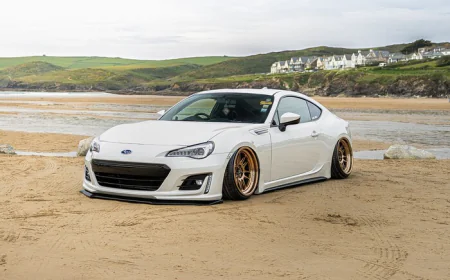
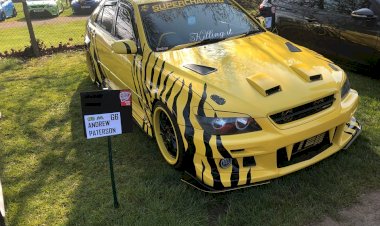
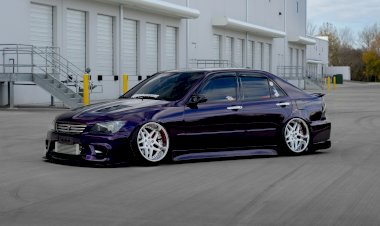
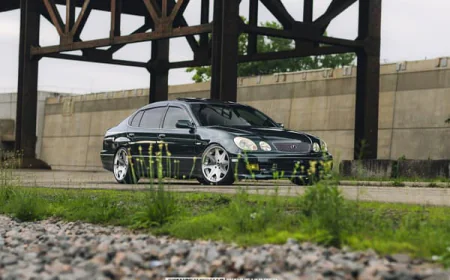
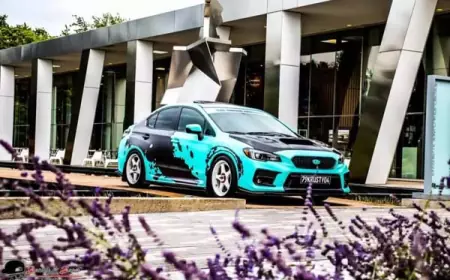
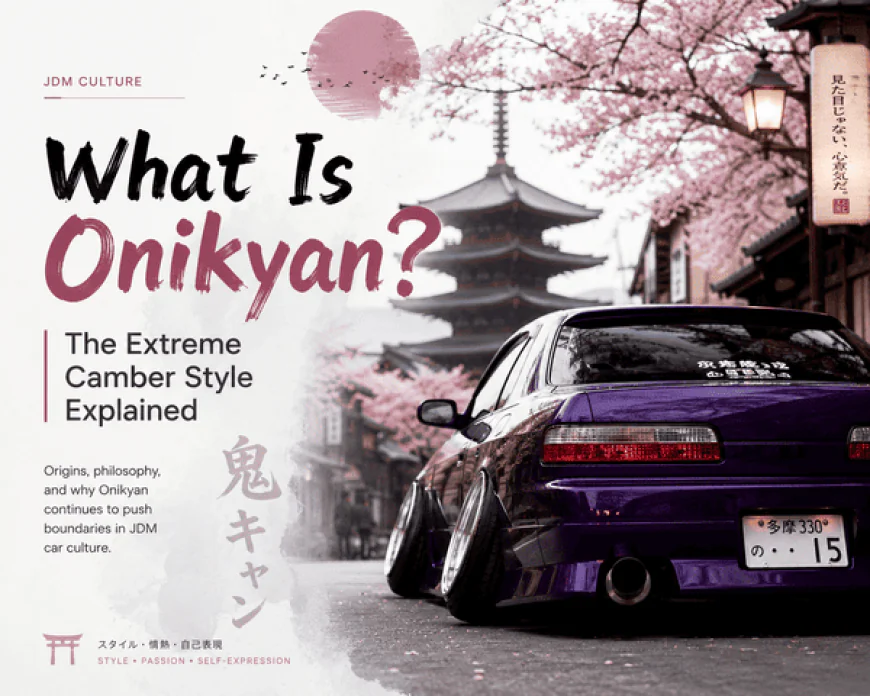
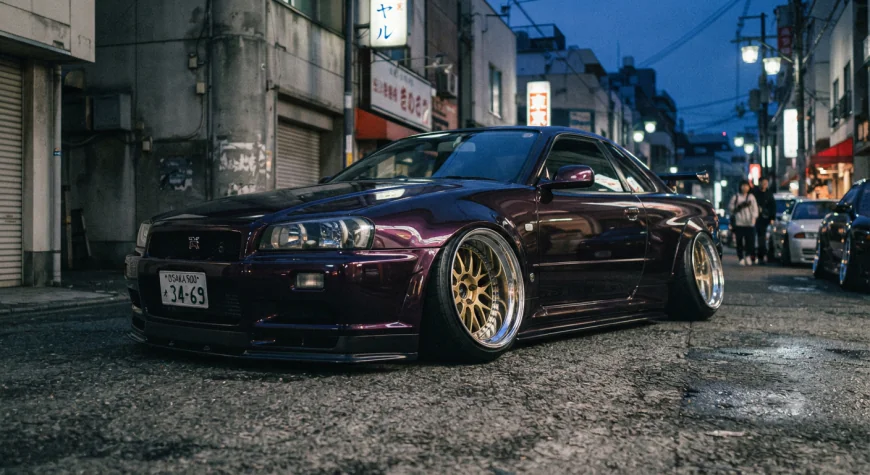
How far can negative camber actually go before it stops being a stance choice and becomes something else entirely? Onikyan (鬼キャン), literally translating to "demon camber," is Japan's answer to that question, a dedicated styling movement built around pushing negative camber to genuinely extreme, visually startling angles well beyond what mainstream stance culture typically runs.
Onikyan at a Glance
- Onikyan translates literally to "demon camber," referencing genuinely extreme negative wheel angle
- Goes meaningfully further than typical stance and fitment camber norms, often to angles that look almost sideways to an untrained eye
- Built purely around visual spectacle rather than any handling or performance benefit
- Requires specific stretched tyre setups and modified suspension geometry to achieve safely
- A distinct, dedicated sub-movement within the wider Japanese lowered-car scene
How Is Onikyan Different From Regular Negative Camber?
This is the key distinction worth understanding. Standard performance-oriented negative camber, covered in our grip and drift setup content, is calculated to maximise tyre contact patch through cornering loads. Onikyan camber angles go dramatically further, purely for visual effect, often reaching angles that would genuinely hurt cornering performance and tyre wear rather than help it. This isn't a subtler version of grip-focused camber, it's a completely different goal, extreme visual drama rather than any functional handling benefit.
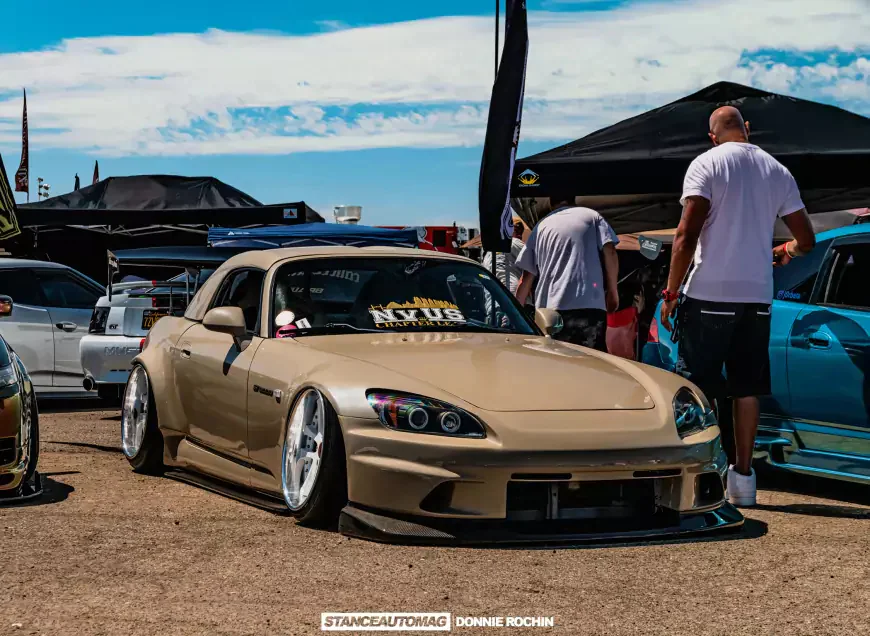
How do tilted wheels and tires work on a modified car?
What Does It Actually Take to Build a Genuine Onikyan Setup?
Achieving genuinely extreme onikyan angles requires specific suspension geometry modifications well beyond standard adjustable coilovers, often including custom control arms, spacers, and specifically engineered mounting points designed to allow angles far outside a factory suspension's normal adjustment range. Stretched tyres, narrower tyres mounted on wider wheels than they'd normally be paired with, are typically part of the look too, helping the tyre sidewall accommodate the extreme angle without the tread lifting away from the road entirely.
Is Onikyan Actually Driveable, or Purely a Show Style?
Genuinely extreme onikyan setups are largely show and static-display oriented, the angles involved compromise tyre contact and handling too significantly for serious regular driving, and tyre wear at true onikyan extremes is dramatically accelerated compared to any normal setup. Some builders run a milder version of the look that remains genuinely driveable, while the most extreme examples seen at shows and on social media are typically built and driven carefully, specifically for that purpose, rather than as genuine daily transportation.
Is Onikyan Legal for Road Use?
This depends heavily on how extreme the specific setup is and the jurisdiction in question, genuinely extreme camber angles can raise real roadworthiness and MOT concerns given how significantly they can affect tyre contact and vehicle control. Builders serious about the style generally understand the difference between a show-only extreme setup and a milder, road-legal interpretation of the look, and treat the two as genuinely separate builds rather than assuming one setup can serve both purposes.
Why Do Builders Pursue Such an Extreme, Impractical Look?
The appeal is purely aesthetic and cultural, a deliberate visual statement pushing a recognisable styling element, negative camber, to an extreme most builders wouldn't dare attempt, similar in spirit to how kaido racer pushes wing and flare styling to dramatic extremes for visual impact rather than function. It's a genuine craft and commitment signal within the wider stance and JDM styling community, building a proper onikyan setup well takes real engineering knowledge, not just cranking a camber bolt as far as it'll go.
What Should You Consider Before Attempting an Onikyan Build?
Budget for genuine suspension and geometry components designed for extreme angles, standard adjustable coilovers alone won't get you to true onikyan territory safely. Factor in significantly accelerated tyre wear as an ongoing cost, and be realistic about whether you're building a show-focused static display or something you genuinely intend to drive regularly, since the two goals demand meaningfully different levels of extremity in the final setup.
How Does Onikyan Fit Into the Wider Stance Scene?
It's best understood as the far extreme end of the camber spectrum within the broader stance and fitment world, most stance builds sit well short of true onikyan angles, treating heavy camber as one element among several rather than the entire point of the build. Onikyan specifically makes camber angle itself the headline statement, a niche within a niche that commands real respect from those who understand exactly how much engineering effort a genuine, well-executed example actually requires.
Related Reads
- Poke vs Stance vs Fitment: What's the Actual Difference?
- Grip King vs Drift Car: Setup Differences Explained
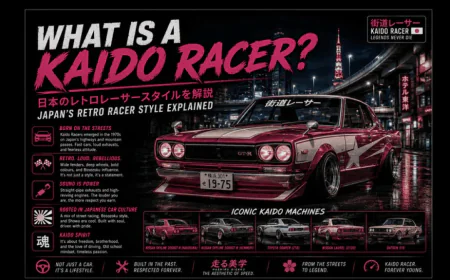
- What Is a Kaido Racer? Japan's Retro Racer Style Explained
For more JDM styling explainers and everything else modified car culture, head back over to Stance Auto Mag. You can also grab the latest print issue through our Amazon magazine store.
 Like
0
Like
0
 Dislike
0
Dislike
0
 Love
0
Love
0
 Funny
0
Funny
0
 Angry
0
Angry
0
 Sad
0
Sad
0
 Wow
0
Wow
0