









































































.png)











![[HOONIGAN] Ken Block's GYMKHANA NINE](https://img.youtube.com/vi/_bkX5VkZg8U/maxresdefault.jpg)































































![[HOONIGAN] KEN BLOCK'S GYMKHANA SEVEN: WILD IN THE STREETS OF LOS ANGELES](https://cdn.motor1.com/images/mgl/2KlO4/s1/ken-block-london-tour-directors-cut.jpg)


































Track Day Insurance UK: What You Actually Need
Standard UK car insurance doesn't cover track days — here's exactly what track day insurance actually covers and what most policies exclude.
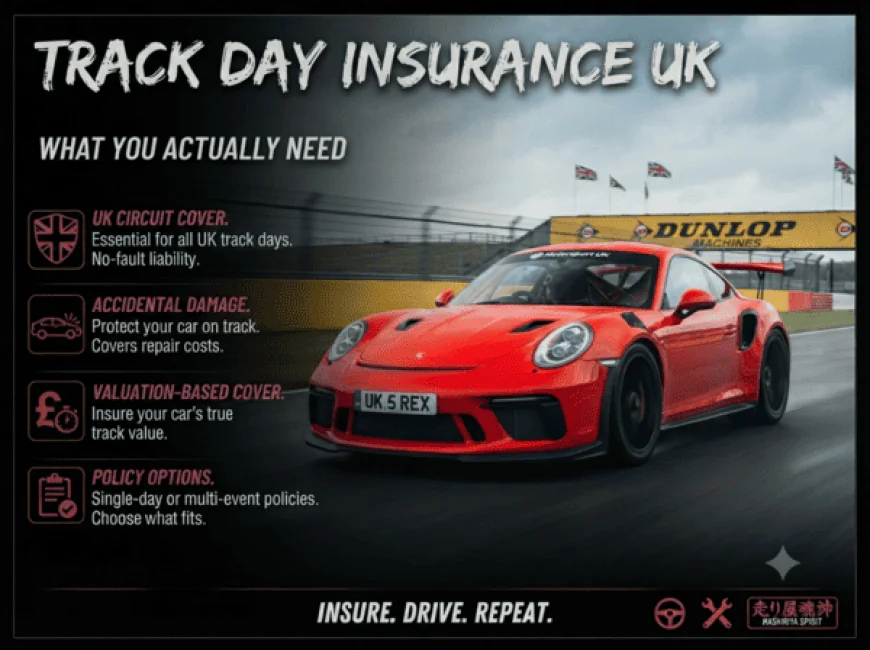
Track Day Insurance UK:
Key Facts
- Standard road car insurance almost never covers you on a track, even for a "gentle" session
- Track day insurance is typically bought separately, either as a single-day or annual policy
- Some track day organisers offer basic cover as part of the entry fee, but it's usually limited
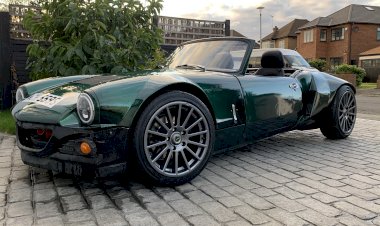
- Modified cars often need a specialist track policy rather than a standard provider's add-on
- Damage to other cars and circuit infrastructure isn't automatically covered without the right policy
Booking a track day is the easy part. Working out whether you're actually covered if something goes wrong is where a lot of owners get caught out, often finding out the hard way that their standard car insurance policy simply doesn't apply the moment they're on circuit, regardless of how careful they're being.
Does Standard Car Insurance Cover Track Days?
No, and this catches out more people than you'd expect. Almost all standard UK car insurance policies explicitly exclude track use, full stop, regardless of speed, regardless of how experienced the driver is, and regardless of whether it's a "fun day out" rather than serious competitive driving. Reading the exclusions section of your policy will almost always turn up a specific clause ruling out circuit or track driving, which means turning up to a track day on standard cover leaves you completely exposed if anything goes wrong.
What Does Track Day Insurance Actually Cover?
A proper track day policy typically covers damage to your own car, and in better policies, damage you cause to other competitors' cars or circuit property, which standard cover never includes. Policies vary meaningfully in scope, some are limited to fire and theft while your car is on site, others provide genuine collision cover while you're actually driving on circuit, so it's worth reading exactly what's included rather than assuming "track day insurance" means the same comprehensive scope across every provider.
Single-Day vs Annual Track Insurance
If you're only doing one or two track days a year, a single-day policy bought specifically for that event is usually the more cost-effective route, and most specialist providers let you buy this at short notice ahead of a booked session. If track days are becoming a regular part of how you use your car, an annual track day policy often works out cheaper overall and saves the hassle of arranging cover before every individual event, though it typically requires more detail about your car's specification and modification level upfront.
Does Being Modified Change Your Options?
Yes, meaningfully. Heavily modified cars, particularly those with significant power increases, are more likely to need a specialist provider rather than a standard track day add-on, since mainstream insurers often cap what modification level they're willing to cover on a track policy. This is worth checking before you assume any track day insurance quote applies to your specific build, a generic policy aimed at largely standard road cars may simply decline to cover a heavily built track-focused project.
What Do Track Day Organisers Actually Provide?
Some organisers include a basic level of cover, often limited to third-party liability, as part of the event entry fee, which protects you against claims from other people or property but typically does nothing for damage to your own car. Assuming the organiser's inclusion is comprehensive cover is one of the most common and costly misunderstandings track day newcomers make, always check exactly what the entry fee's cover includes rather than assuming it matches what you'd want from a dedicated policy.
What Excess Should You Expect?
Track day policy excesses tend to run higher than standard road insurance, reflecting the genuinely elevated risk of circuit driving compared to road use. It's worth factoring the excess level into your decision alongside the headline premium, a cheaper policy with a very high excess may end up costing more in a real claim than a slightly pricier policy with more reasonable excess terms.
Do You Need to Tell Your Main Insurer About Track Days?
Even with separate track day cover in place, it's worth checking whether your main road policy has any disclosure requirements around track use, some insurers ask whether a vehicle has ever been used on circuit as part of standard underwriting questions, and failing to disclose this accurately can put your main road cover at risk if it later comes to light during a claim. It's a five-minute phone call that avoids a much bigger problem down the line.
What Happens If You Damage Someone Else's Car on Track?
This is exactly the scenario where the gap between basic organiser cover and a proper track day policy becomes financially serious. Without dedicated cover including third-party damage on circuit, you could be personally liable for repair costs to another competitor's car, which on a grid full of genuinely expensive modified builds is a real and significant financial exposure, not a theoretical one.
How to Choose Between Providers
Comparing more than one specialist quote is worth the extra time, since coverage scope varies more between track day insurance providers than it typically does on standard road policies. Ask each provider directly whether cover applies to your specific modification level, what the excess actually is, whether third-party damage to other competitors is included, and whether the policy covers the specific circuit and event type you're booking, some policies are restricted to organised, marshalled track days rather than open track sessions or informal group bookings.
The Bottom Line
Never assume your standard insurance extends to a track day, and never assume an organiser's basic cover matches what a dedicated track day policy provides. A quick call to a specialist provider before booking is a small amount of admin against the very real financial exposure of turning up uninsured on circuit.
For official guidance on UK motor insurance requirements, the gov.uk vehicle insurance page sets out the baseline legal requirements, though track-specific cover sits outside standard road policy requirements entirely. For more legal guides and everything else modified car culture, head back over to Stance Auto Mag. You can also grab the latest print issue through our Amazon magazine store.
 Like
0
Like
0
 Dislike
0
Dislike
0
 Love
0
Love
0
 Funny
0
Funny
0
 Angry
0
Angry
0
 Sad
0
Sad
0
 Wow
0
Wow
0