


















































.png)












![[HOONIGAN] Ken Block's GYMKHANA NINE](https://img.youtube.com/vi/_bkX5VkZg8U/maxresdefault.jpg)




























































![[HOONIGAN] KEN BLOCK'S GYMKHANA SEVEN: WILD IN THE STREETS OF LOS ANGELES](https://cdn.motor1.com/images/mgl/2KlO4/s1/ken-block-london-tour-directors-cut.jpg)































Mods That Add Value vs Mods That Kill Resale: The Truth About Modified Car Values
Will you get your money back when you sell? Discover which car modifications add value, which ones destroy resale potential, and how to modify without tanking your car's worth.
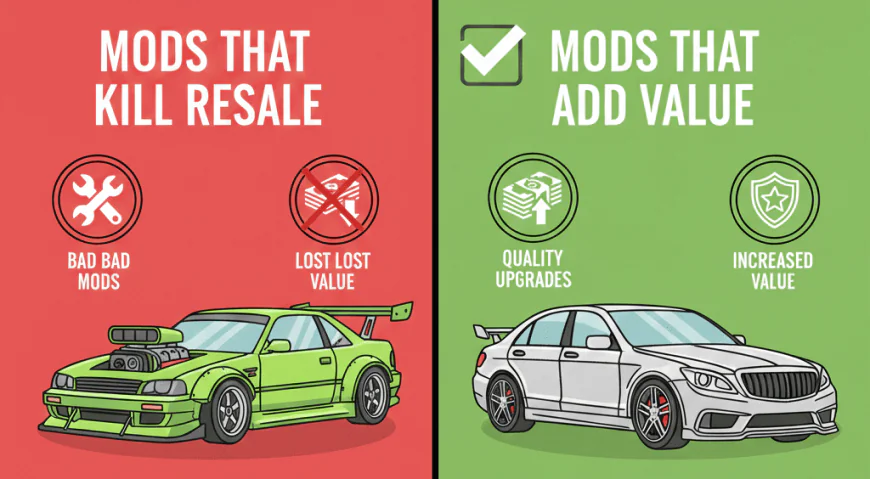
The Question Every Modder Eventually Asks
You've spent £5,000 on your car. Coilovers, wheels, exhaust, remap, upgraded brakes — the lot. Your car looks fantastic, drives brilliantly, and you're genuinely proud of what you've built. But then life happens. You get a new job. You need a bigger car. You want to move on to a different project. And suddenly you're faced with a question you probably should have thought about earlier: will I get any of this money back when I sell?
The honest answer — and this is going to sting — is almost certainly no. The brutal reality of modified car values is that spending £10,000 on modifications does not increase your car's value by £10,000. In fact, in many cases, it actively decreases the value compared to a completely standard example. But — and this is crucial — not all modifications tank your resale value equally, and if you're smart about what you modify and how you do it, you can minimise the financial hit and sometimes even come out ahead.
This is the article nobody writes because the truth is uncomfortable. We're going to break down exactly which modifications add value to a car, which ones destroy it, which ones sit somewhere in the middle, and how to approach modifying a car in a way that doesn't completely obliterate its resale potential. This isn't about discouraging you from modifying your car — it's about making informed decisions so you don't end up £8,000 out of pocket when you finally sell. Over at Stance Auto Magazine, we've watched this play out hundreds of times, and the pattern is very, very clear.

The Harsh Reality: Most Mods Don't Add Value
Let's get the bad news out of the way first. The vast majority of modifications do not increase a car's resale value. In fact, they often decrease it. Why? Because when you modify a car, you're making it appeal to a smaller pool of potential buyers. A standard car can be sold to anyone. A modified car can only be sold to someone who wants those specific modifications — and most buyers don't.
Why Buyers Avoid Modified Cars
Mainstream buyers — people looking for a reliable daily driver — actively avoid modified cars because they associate them with higher insurance costs, harder driving, and potential reliability issues. They don't want to deal with the hassle of declaring mods to their insurer, they don't want to risk buying someone else's project that's been thrashed, and they don't care about aftermarket exhausts or lowered suspension. To them, a modified car is a problem, not a selling point.
Even enthusiast buyers can be wary. They might love the idea of a modified car, but they want to modify it themselves, their way. They don't want to pay extra for someone else's taste in wheels or exhaust. They'd rather buy a clean, standard car and build it how they want it.
The Financial Reality
If you spend £5,000 on modifications, you'll be lucky to recoup £1,000–£2,000 of that when you sell. The rest is gone. That's the price you pay for making the car yours and enjoying it while you own it. If you can accept that, great — modify away. If you're expecting to get your money back, you're going to be disappointed.
But here's the thing: some modifications hurt resale value less than others. And in very rare cases — usually with highly sought-after cars and extremely desirable parts — modifications can actually increase value. Let's break down which is which.
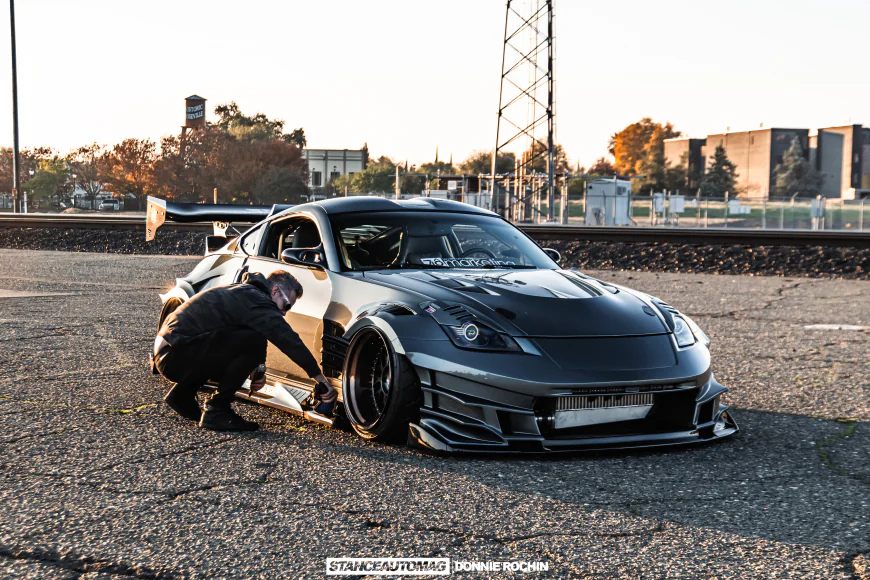
Modifications That Can Actually Add Value (Rare, But It Happens)
There are a small number of modifications that, in the right circumstances, can genuinely increase a car's value beyond what you paid for them. These are rare, niche, and usually only apply to specific types of cars and buyers — but they exist.
OEM+ Modifications on Desirable Cars
OEM+ refers to modifications using genuine manufacturer parts from higher-spec versions of the same car. For example, fitting Recaro seats from a Golf GTI Clubsport to a standard Golf GTI, or retrofitting adaptive dampers from an M3 Competition to a standard M3. These modifications appeal to enthusiasts because they're factory parts, they integrate seamlessly, they come with no reliability concerns, and they're often exactly what buyers would have specified if they could afford the higher-spec car when it was new.
On cars like Porsches, BMWs, and Audis, tasteful OEM+ modifications can genuinely add value — sometimes even more than you paid for the parts. But you have to get it right. The parts have to be genuine, the fitment has to be perfect, and the car has to be desirable enough that buyers care.
Extremely Rare or Desirable Aftermarket Parts
In the JDM and classic car scene, certain aftermarket parts have become so rare and desirable that they add significant value to a car. Original Nismo parts, genuine Mugen components, authentic Watanabe wheels, rare Recaro seats — if you've got these on your car and you can prove they're genuine, you can ask for a premium. Buyers in this niche know what they're looking at, and they'll pay for it.
Similarly, if your car has been professionally built by a well-known tuner or shop — think Litchfield, Abbey Motorsport, or RWB — and you've got the documentation to prove it, that can add value. But this only works if the builder has a strong reputation and the work is genuinely top-tier.
Performance Modifications That Genuinely Transform the Car
On certain performance cars — particularly turbocharged models — a well-executed power upgrade can add value if it's been done properly and the buyer is looking for exactly that. A Stage 2 remap on a Golf R or an RS3 with all the supporting mods (intercooler, exhaust, intake) and dyno sheets to prove the gains can appeal to enthusiast buyers who were planning to do exactly that anyway. You're saving them the time and hassle, and they'll pay a small premium for it.
But — and this is critical — only if the work has been done by a reputable specialist, the car has been maintained impeccably, and you've got all the paperwork. A backstreet remap with no supporting mods and no proof? That's a value killer, not a value adder.
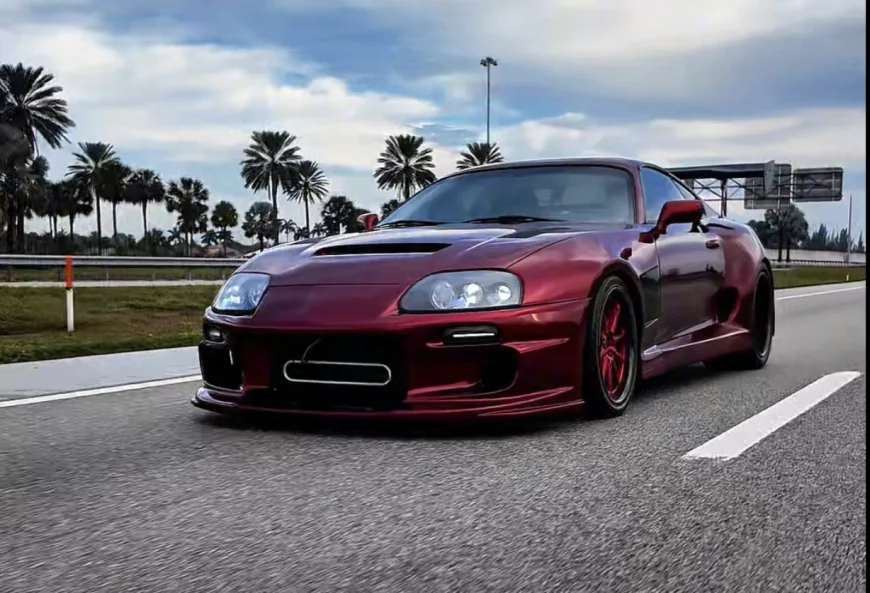
Modifications That Destroy Resale Value
Now let's talk about the mods that genuinely tank your car's value. These are the modifications that make mainstream buyers run a mile and even enthusiast buyers hesitate. If you've done any of these, accept that you're going to take a financial hit when you sell.
Extreme Cosmetic Modifications
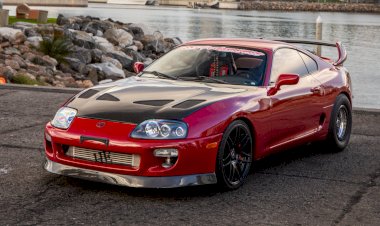
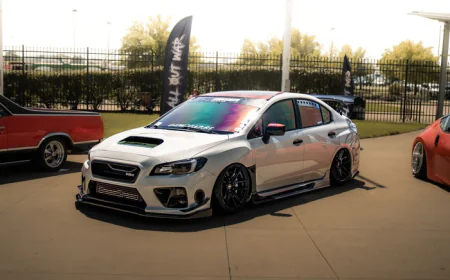
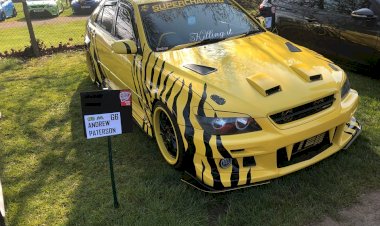
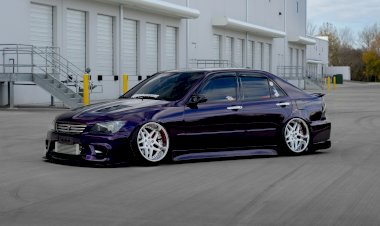
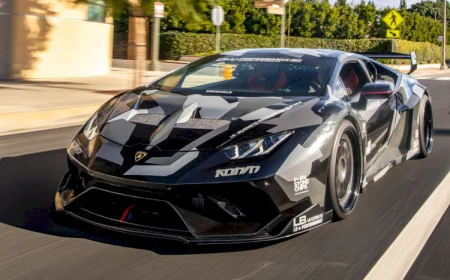
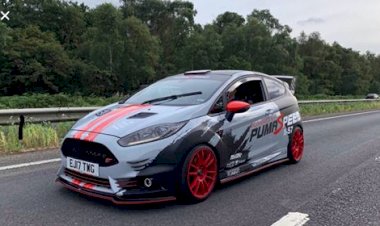
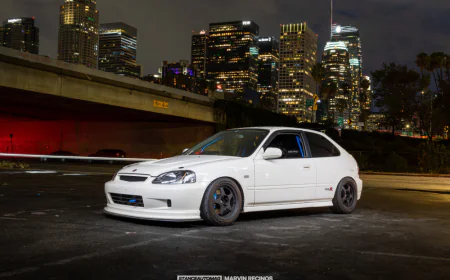
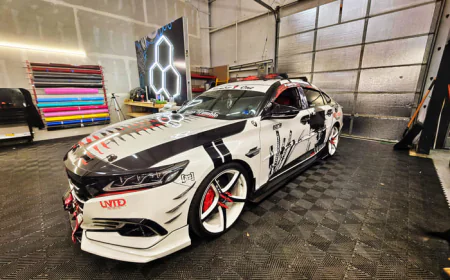
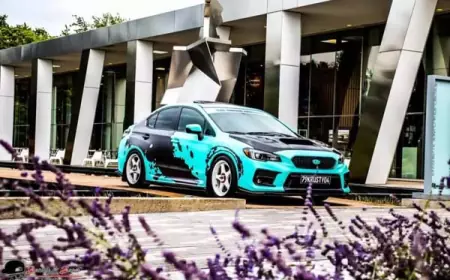
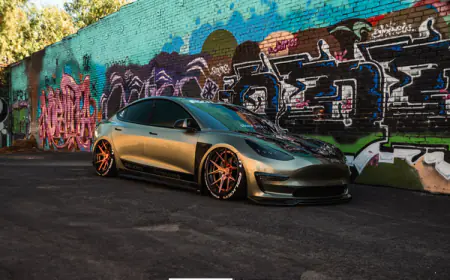
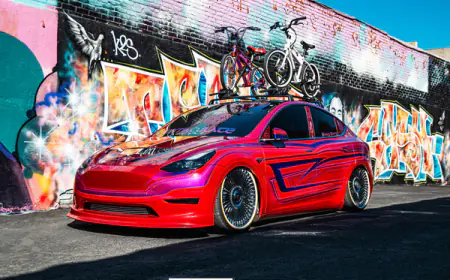
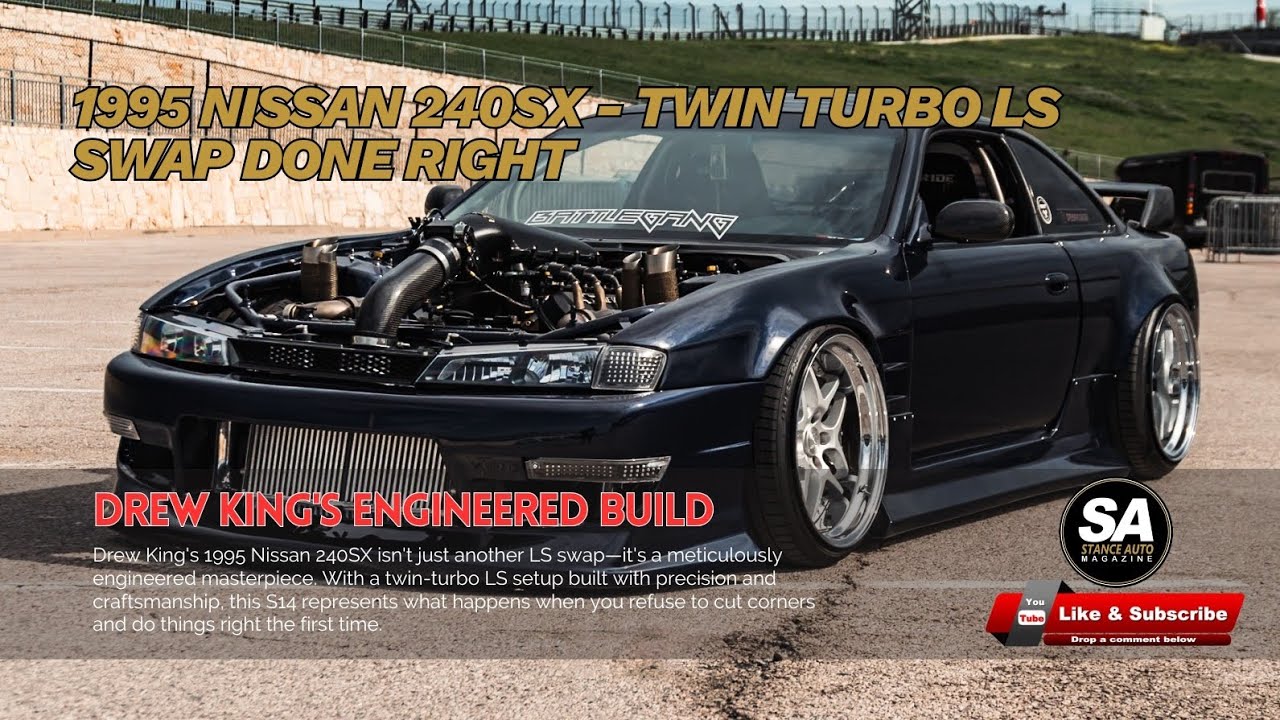
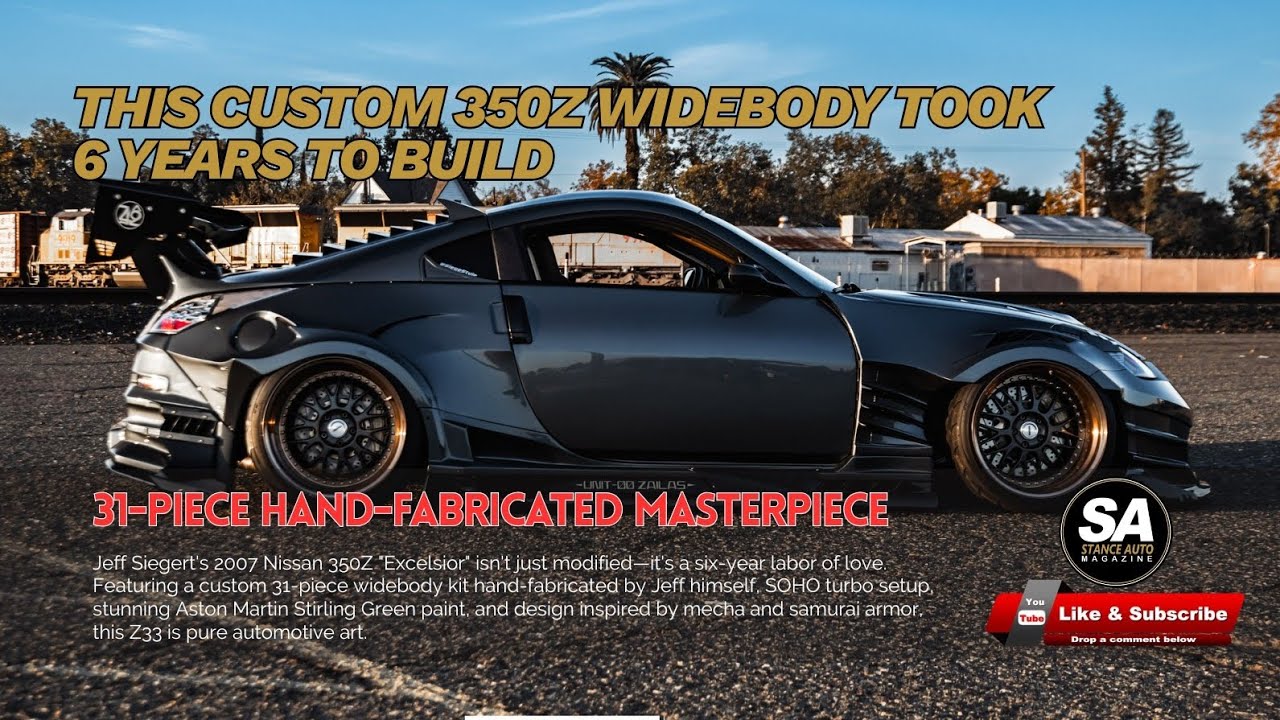
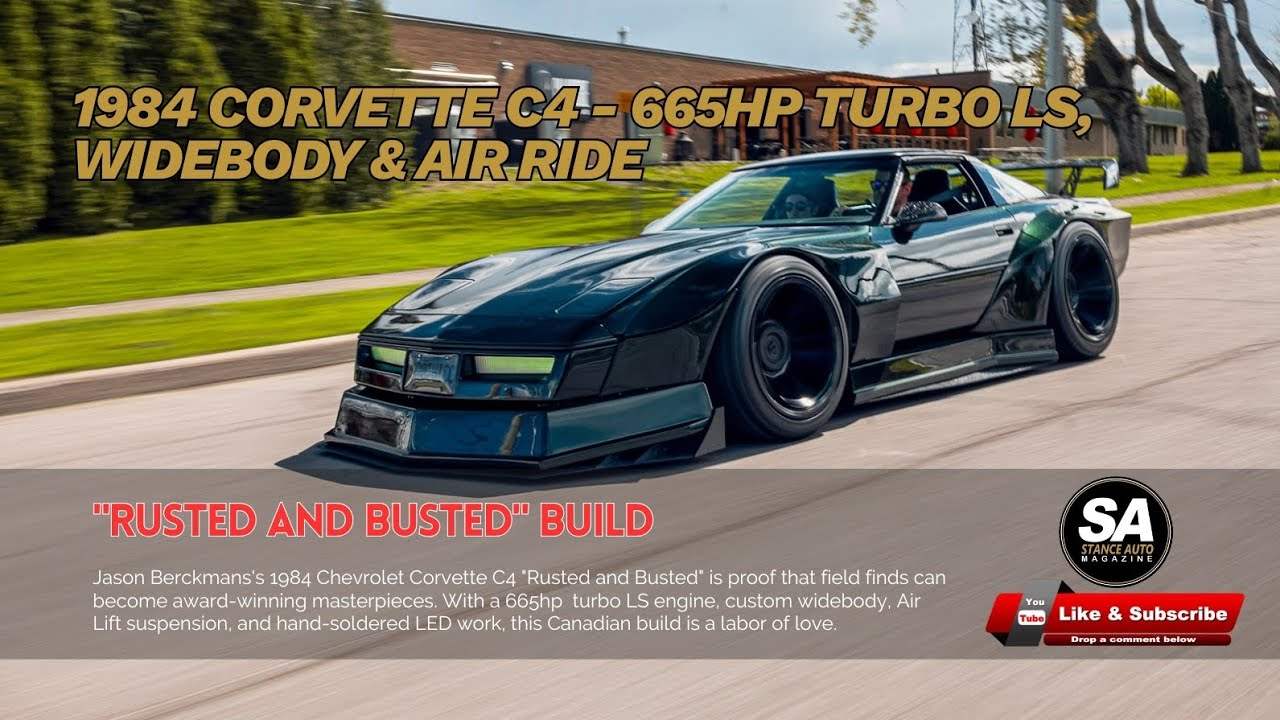
Widebody kits, massive spoilers, aggressive body kits, loud wraps or paint jobs — anything that drastically changes the look of the car in a polarising way — will limit your buyer pool massively. Most people don't want a car that looks like a Hot Wheels toy, and the few who do want to build it themselves, not buy yours.
Similarly, interior modifications like custom upholstery, delete panels, roll cages, or aftermarket steering wheels often put buyers off. They want the car to feel normal inside, not like someone's abandoned project.
Low-Quality or Unknown-Brand Parts
If you've fitted cheap coilovers, eBay exhausts, or knock-off wheels, buyers will see them as a liability, not an asset. They know those parts are going to need replacing soon, and they'll use it as a negotiating tool to lower your asking price. You won't get any credit for having "upgraded" the car — you'll just make it harder to sell.
Irreversible or Destructive Modifications
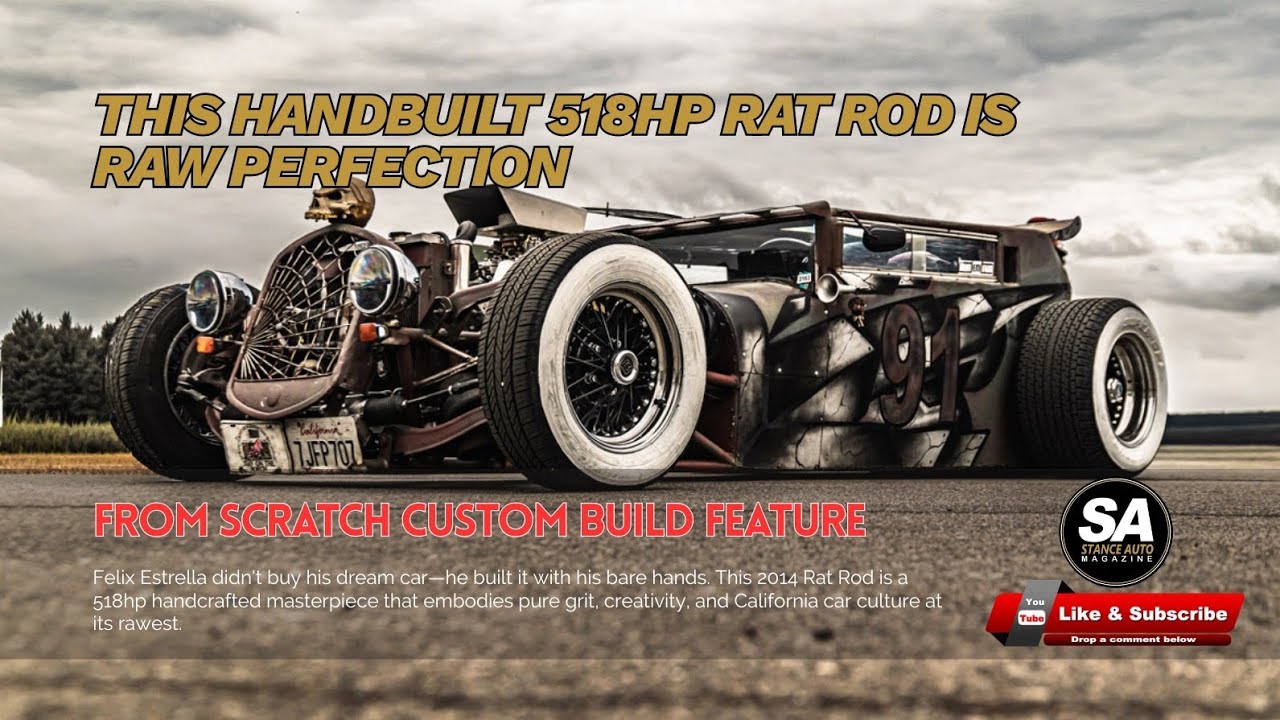
Engine swaps, chassis cuts, deleted emissions equipment, custom fabrication — anything that's permanent and can't be undone without huge expense — will scare off the vast majority of buyers. Even if the work is brilliant, most people don't want to take on the unknown variables and potential legal issues that come with a car that's been heavily modified.
Modifications That Make the Car Impractical
Airbag suspension dropped to the floor, extreme negative camber, stretched tyres, straight-piped exhausts — anything that makes the car difficult or unpleasant to drive day-to-day will limit your buyer pool to show car enthusiasts only. And even they might prefer to build it themselves rather than buy someone else's vision.
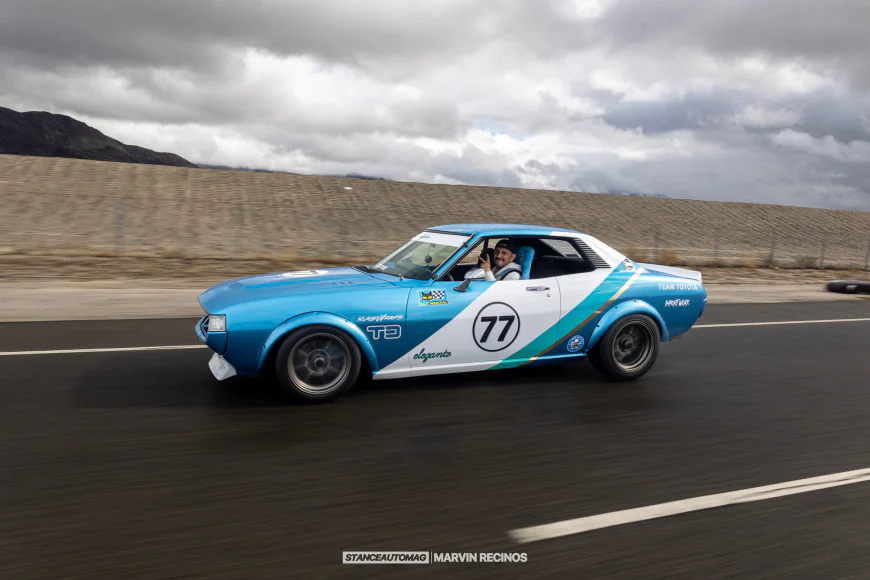
The Middle Ground: Modifications That Don't Hurt Too Much
There are plenty of modifications that don't add value, but they also don't destroy it. These are the ones that a buyer might see as neutral or even mildly positive, depending on their taste.
Quality Suspension Upgrades
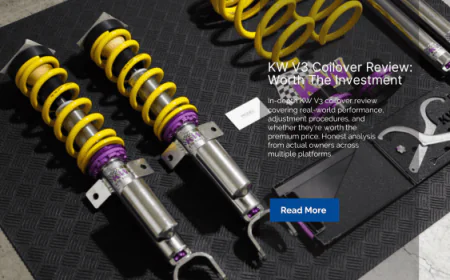
Reputable coilovers (BC Racing, KW, Bilstein, Ohlins) or lowering springs from known brands are generally seen as acceptable by enthusiast buyers. They might not add value, but they won't scare people off the way cheap coilovers would. If you've kept the standard suspension and can include it with the sale, even better — that gives the buyer the option to revert if they want to.
Tasteful Wheel Upgrades
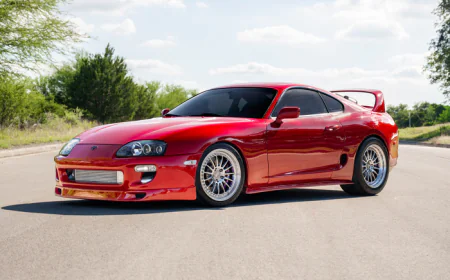
Quality aftermarket wheels from reputable brands (BBS, OZ, Enkei, Rays) in sensible sizes and offsets are usually seen as a positive by enthusiast buyers. They're not going to add £1,000 to your asking price, but they won't hurt it either, especially if the wheels are in good condition and the car looks well put-together.
Cat-Back Exhaust Systems from Reputable Brands
A Milltek, Borla, or Scorpion cat-back exhaust is usually seen as a mild positive. It sounds better than stock, it's road-legal, and it's a mod that a lot of enthusiast buyers would have done anyway. You won't get the full value of the exhaust back, but it won't put buyers off the way a straight pipe would.
Subtle Aesthetic Improvements
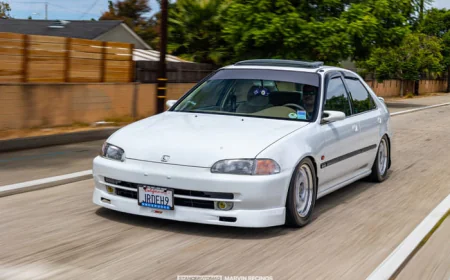
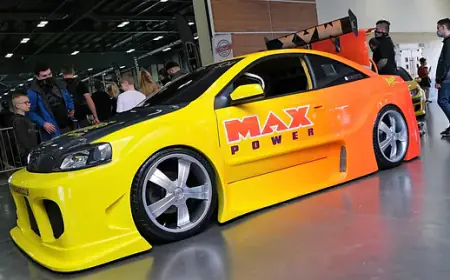
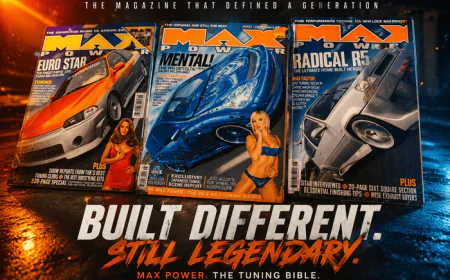
Quality tints (within legal limits), debadging, painted calipers, subtle spoilers — anything that enhances the car's look without going overboard — can be neutral to mildly positive. The key is subtlety. The moment it looks like a Max Power throwback, you've lost the mainstream buyers.
How to Modify Without Destroying Resale Value
If you want to modify your car but you also want to minimise the financial hit when you sell, here's the approach that works:
Keep all the standard parts. When you fit coilovers, keep the standard suspension. When you fit an exhaust, keep the standard one. When you fit wheels, keep the originals. That way, you can revert the car to standard before you sell it and get maximum value, or you can sell the aftermarket parts separately.
Stick with reversible mods. Avoid anything that requires cutting, welding, or permanent changes to the car. The easier it is to undo, the less it'll hurt your resale value.
Buy quality, not quantity. Five cheap mods will hurt your value more than one expensive, well-executed mod. Quality always holds value better than junk.
Keep immaculate records. Receipts for parts, invoices from professional installers, dyno sheets, service history — all of this proves the work was done properly and will reassure buyers.
Know your audience. If you're building a car to sell in six months, keep it close to standard and focus on OEM+ upgrades. If you're building a car to keep for years, modify it however you want and accept the financial hit when the time comes.
For more on making smart modification choices, read our guide to value-for-money mods and our complete beginner's guide.

Final Thoughts: Modify for You, Not for Resale
Here's the real takeaway: if you're modifying a car primarily as an investment or with the expectation of getting your money back, you're doing it for the wrong reasons. Modify your car because you want to enjoy it, because you want it to reflect your taste, because driving it makes you happy. The money you spend is the price of that enjoyment, not an investment.
But if you're smart about it — if you choose quality parts, keep things reversible, maintain records, and know when to stop — you can minimise the financial damage and maybe even recoup a decent chunk when the time comes. Just don't expect miracles, and definitely don't expect to make money. That's not how this works.
Related Articles
- Car Guy Questions: Everything About Modifying Cars
- UK Car Modification Legal Guide
- Modified Car Insurance Explained
- Your First Car Mod: Step-by-Step Guide
- Common Car Modification Mistakes to Avoid
 Like
0
Like
0
 Dislike
0
Dislike
0
 Love
0
Love
0
 Funny
0
Funny
0
 Angry
0
Angry
0
 Sad
0
Sad
0
 Wow
0
Wow
0