































































































































































































































Diesel vs Petrol vs Hybrid 2026: Which One Is Actually Cheapest to Run?
Diesel vs petrol vs hybrid in 2026: with diesel near 199p and petrol near 174p a litre, a diesel needs roughly 14% better mpg just to break even. Real cost per mile inside.

So which is cheapest, diesel vs petrol vs hybrid? In October 2026 a full hybrid is the cheapest to run for most drivers, a diesel only wins if you cover big motorway miles, and a plain petrol is the sensible pick for anyone doing low mileage or keeping the car fun. That is the short version. The rest of this guide shows the sums behind it, because the diesel vs petrol vs hybrid argument has changed a lot in the last couple of years and most of the advice floating around is out of date.
Here's the thing that flipped it. Diesel now costs about 25p a litre more than petrol in the UK. According to the latest weekly figures from Fuel Finder UK, the average litre of petrol was sitting around 174p and diesel around 199p in the week ending 11 October 2026. When the gap gets that wide, the old "diesel is always cheaper per mile" line stops being true on a lot of cars.
If you're working through our wider fuel economy series, start with the hub guide on how to save fuel and then come back here to pick the right engine to put it in.
Quick Verdict: Diesel vs Petrol vs Hybrid at a Glance
| Fuel type | Best for | Typical real-world mpg | Rough cost per mile |
|---|---|---|---|
| Petrol | Low mileage, weekend and modified cars | 35-45 mpg | 18-23p |
| Diesel | 15,000+ miles a year, mostly motorway | 45-60 mpg | 15-20p |
| Full hybrid | Town and mixed driving, daily commuters | 50-60 mpg | 13-16p |
| Plug-in hybrid | Short commutes with home charging | Varies wildly | 5p-20p+ |
These are illustrative figures worked out from the pump prices above, not lab numbers, and your own car will land somewhere inside them depending on how you drive.
Is Diesel Still Cheaper Than Petrol in 2026?
Diesel is only cheaper than petrol when its mpg advantage is bigger than its price premium, and in 2026 that premium is about 14%. Work it out yourself. Divide 199p by 174p and you get roughly 1.14. That means a diesel has to deliver around 14% better mpg than the equivalent petrol before it saves you a penny on fuel.
A petrol hatchback doing a real 40mpg works out at about 19.8p a mile at today's prices. The diesel version needs to manage around 46mpg just to draw level. Plenty of modern diesels will do 50 or 55 on a long run, so on a steady motorway commute they still come out ahead, a bit under 16p a mile at 55mpg. But around town, with short trips and cold starts, that mpg advantage shrinks fast and the premium eats the lot.
The test I'd use is simple. If most of your miles are long and steady, diesel can still earn its keep. If you do school runs, short hops and the odd weekend blast, it almost certainly can't. Which? has tested hundreds of petrol, diesel and hybrid engines and its numbers back up the same pattern: diesels lead on economy, but the lead depends heavily on the type of driving.
What Is the Difference Between Mild Hybrid, Full Hybrid and Plug-In Hybrid?
A mild hybrid is a normal petrol or diesel car with a tiny battery assist, a full hybrid can drive short distances on electric power alone, and a plug-in hybrid has a big battery you charge from the wall. Getting these three mixed up is the most expensive mistake in the whole diesel vs petrol vs hybrid debate.
Mild hybrids barely change the maths. Which? treats them in the same category as ordinary petrol and diesel cars because the effect on economy is subtle, and that matches what owners report. Full hybrids like the Toyota Corolla and Yaris are the real money savers because the engine and motor share the work all day, recovering energy every time you brake. Plug-in hybrids can be brilliant or pointless. Charge one every night and do 30 miles a day and you might barely buy petrol. Never plug it in and you're hauling a heavy battery around for nothing.
Diesel vs Petrol vs Hybrid: The Pros and Cons
Petrol
- Cheaper to buy than a diesel or hybrid in most cases
- Simple, proven engines with fewer expensive parts to go wrong
- Better suited to short trips, cold starts and low mileage
- Worse mpg than diesel or a full hybrid, especially on the motorway
- Turbo petrols can be thirsty if you drive them like you mean it
Diesel
- Best mpg on long, steady motorway runs
- Strong low-down torque makes towing and loaded driving easy
- Diesel costs roughly 25p a litre more than petrol right now
- Particulate filters clog on short trips, and fixing them is not cheap
- Higher NOx emissions mean tighter rules in clean air zones and ULEZ areas
Full Hybrid
- Lowest running costs for most everyday drivers
- Excellent in town and stop-start traffic where petrol and diesel suffer
- No plugging in, no range anxiety, no charger needed
- Costs more to buy, and the advantage narrows on fast motorway runs
- Not much fun for enthusiasts who want a manual and a proper engine note
Plug-In Hybrid
- Can be almost free to run if you charge at home and do short journeys
- Often cheaper to tax and much cheaper for company car drivers
- Terrible value if you never plug it in
- Heavy, complex and usually the dearest option to buy
How Do Running Costs Really Compare Over a Year?
Over 10,000 miles a year, a full hybrid typically saves a few hundred pounds a year over a petrol car, while a diesel only matches it if you cover plenty of motorway miles. Take a 40mpg petrol, a 50mpg diesel and a 55mpg full hybrid at today's pump prices. The petrol costs about £1,980 a year in fuel, the diesel about £1,810 and the hybrid about £1,440. Push the same cars to 20,000 miles and the diesel's gap over petrol roughly doubles, which is why high-mileage drivers still buy them.
Fuel isn't the only line on the bill though. Diesels tend to cost more to buy, and a blocked particulate filter or failed EGR valve can wipe out years of fuel savings in one invoice. Hybrids have a reputation for being kind to brakes and gearboxes because the motor does a lot of the slowing down. Petrol cars are the cheapest to fix when they break. That's why we always tell people to price the whole car, not just the pump.
Can You Still Drive a Diesel in Cities and Clean Air Zones?
Yes, as long as it meets the emissions standard for the zone you're driving in, which for most diesels means Euro 6. In London's ULEZ a diesel generally needs to be Euro 6 (roughly 2015 onwards) while a petrol needs to be Euro 4 (roughly 2006 onwards), so older diesels get caught much more often than older petrols. Other cities run their own clean air zones with their own rules, so check the council site before you buy. If you regularly drive into a big city, that single detail can swing the whole decision.
There's also the bigger picture. As the rules stood when we last checked, the UK is phasing out new pure petrol and diesel sales around 2030, with certain hybrids allowed a little longer. That doesn't stop anyone running or selling a used diesel, but it does make resale values harder to predict.
What Should You Buy If You Love Modified Cars?
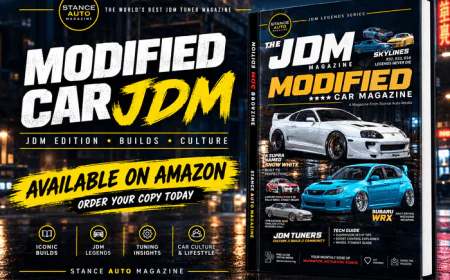
If you care about driving enjoyment and modifying your car, petrol still wins, because it has the biggest aftermarket, the best sounds and the widest choice of manual gearboxes. Nobody builds a stanced S13 around a particulate filter. The JDM scene, from naturally aspirated K-series to turbo straight-sixes, is almost entirely petrol, and that's where most of the tuning knowledge lives. If you want to see how deep that rabbit hole goes, the Stance Auto 90s JDM Classics magazine is our hottest-selling issue and it's stuffed with the kind of petrol-powered Japanese icons that make a hybrid look a bit sensible. You can grab it from our Amazon magazine store.
A sensible plan for a lot of enthusiasts is a hybrid or efficient diesel as the daily, and a petrol toy for the weekend. That way the commute stays cheap and the fun car doesn't have to pretend to be an appliance. Reading from the States? Remember a UK gallon is about 20% bigger than a US gallon, so a 40mpg UK figure is only around 33mpg in US terms, and the ratios between petrol, diesel and hybrid still hold.
See It Done: Real Petrol and Hybrid Builds
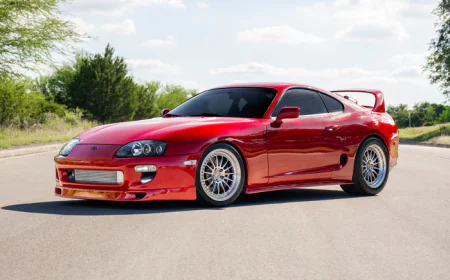
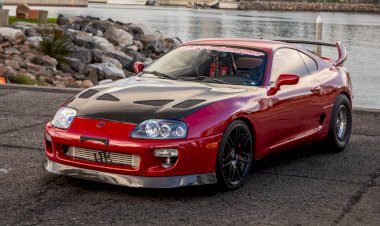
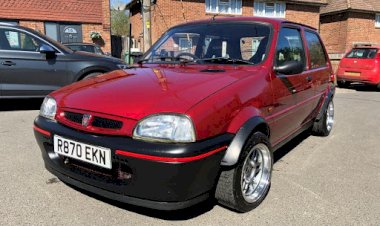
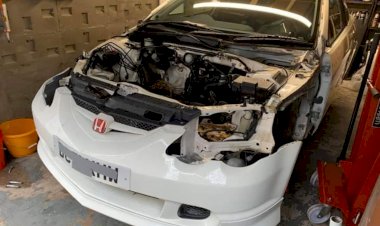
If you want to see what real owners do with each type of power, have a look at these featured builds from the magazine.
So, Diesel vs Petrol vs Hybrid: Which Should You Choose?
Choose a full hybrid if you do a mix of town and motorway driving, a diesel only if you genuinely cover high motorway mileage, and petrol if you drive little or want the car for fun. That's the honest answer to the diesel vs petrol vs hybrid question in 2026. The 25p gap between diesel and petrol has done more damage to the diesel case than any new law, and full hybrids have quietly become the default answer for sensible daily driving.
Before you commit, run your own numbers. Take your annual mileage, the real-world mpg of the exact car you're looking at, and today's pump prices, then work out cost per mile. If the diesel doesn't beat the petrol by more than about 14% on mpg, it isn't saving you anything.
Related Reads
- How to save fuel: the ultimate guide
- Hypermiling explained
- Does cruise control save fuel?
- Does a remap improve fuel economy?
- REPLACE: UK exhaust noise law or MOT rules for modified cars
Want real modified cars, real spec lists and real owner stories instead of spreadsheets? Head over to Stance Auto Magazine and dive in.
 Like
0
 Dislike
0
 Love
0
 Funny
0
 Angry
0
 Sad
0
 Wow
0