





































.png)









![[HOONIGAN] Ken Block's GYMKHANA NINE](https://img.youtube.com/vi/_bkX5VkZg8U/maxresdefault.jpg)

















































![[HOONIGAN] KEN BLOCK'S GYMKHANA SEVEN: WILD IN THE STREETS OF LOS ANGELES](https://cdn.motor1.com/images/mgl/2KlO4/s1/ken-block-london-tour-directors-cut.jpg)





























Honda S2000 AP1 vs AP2: What Changed?
Honda S2000 AP1 vs AP2: we compare the F20C and F22C engines, chassis tweaks and handling changes to help you pick the right generation.
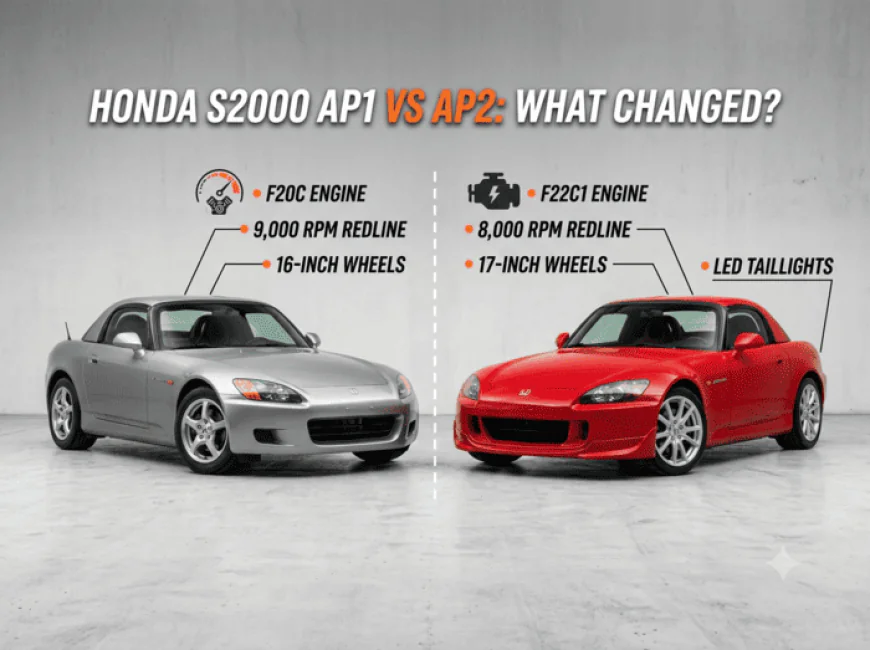
Honda S2000 AP1 vs AP2: What Changed?
The Honda S2000 built its reputation on a genuinely uncompromising formula, a screaming high-revving four-cylinder, rear-wheel drive, and a chassis that rewarded precision and punished carelessness in equal measure. Partway through its life, Honda made real changes between the AP1 and AP2 generations, and understanding exactly what shifted matters a lot more than the badge alone.
Engine: F20C vs F22C
The AP1 ran the F20C, a 2.0-litre four-cylinder famous for revving to a genuinely absurd 9,000rpm and producing some of the highest specific output ever achieved by a naturally aspirated production engine at the time. The AP2 switched to the F22C, a larger 2.2-litre unit that traded some of that screaming top-end drama for a broader, more usable torque curve lower in the rev range, a deliberate response to feedback that the F20C's power band was simply too peaky for everyday enjoyment outside a dedicated track context.
Handling: The Real Story Behind the AP2's Suspension Changes
This is where the AP1-vs-AP2 conversation gets genuinely important rather than just being an engine spec comparison. The AP1 earned a reputation for snap oversteer at the limit, a chassis characteristic that caught out plenty of drivers who pushed past the available grip without enough warning. Honda revised the AP2's rear suspension geometry specifically to address this, softening the transition into oversteer and making the car noticeably more progressive and predictable when pushed hard. This wasn't a cosmetic update, it was a genuine response to real-world feedback about a genuinely dangerous handling trait at the limit.
Which Generation Is Better for Track Use?
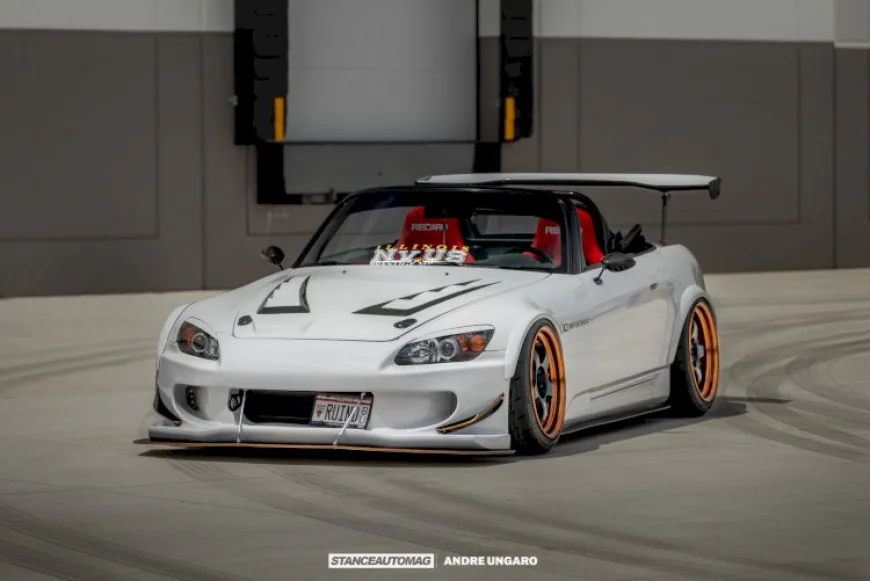
Opinions genuinely split here, and it's worth understanding why rather than picking a side blindly. Purists often prefer the AP1's rawer, more reactive character and the F20C's legendary rev-happy nature, accepting the snappier handling as part of the car's authentic, unfiltered personality. Track-focused drivers newer to the platform, or those less confident managing a car that punishes mistakes harshly, tend to prefer the AP2's more forgiving, predictable limit behaviour, without feeling like Honda diluted the car's fundamental character in the process.
AP1 Pros and Cons
- Pros: F20C's legendary high-rev character, purer original chassis tune, strong purist following
- Cons: Snappier, less forgiving oversteer at the limit, peakier power delivery
AP2 Pros and Cons
- Pros: More usable F22C torque curve, genuinely improved and more predictable handling limit
- Cons: Slightly less dramatic top-end character than the F20C, viewed by some purists as less "pure"
Other Changes Worth Knowing
Beyond the headline engine and suspension changes, the AP2 also brought minor styling revisions, updated wheels, and various smaller refinements typical of a mid-cycle update, none as significant as the engine and chassis changes but worth knowing when comparing specific examples. Later AP2 models in certain markets also saw stability control introduced, a genuinely significant addition for buyers wanting some electronic safety net alongside the improved chassis tune.
Common Issues to Check on Either Generation
Both generations share the same fundamental reliability strengths Honda's naturally aspirated engines are known for, but age-specific concerns are worth checking regardless of AP1 or AP2, particularly convertible roof mechanism wear, and evidence of a rev-happy engine having been genuinely well maintained rather than simply driven hard without proper care. Aftermarket support from established names like Spoon Sports and Mugen remains strong across both generations, reflecting how seriously the S2000 platform has been taken by the tuning community since it left production.
Which Generation Holds Value Better?
Both generations have appreciated as genuinely special, increasingly rare naturally aspirated sports cars become harder to find in good condition. The AP1 has arguably built the stronger collector following purely on its purist reputation and the F20C's legendary status, though well-kept AP2 examples with genuine service history are far from being considered the lesser investment by anyone who properly understands what Honda actually improved between the two generations.
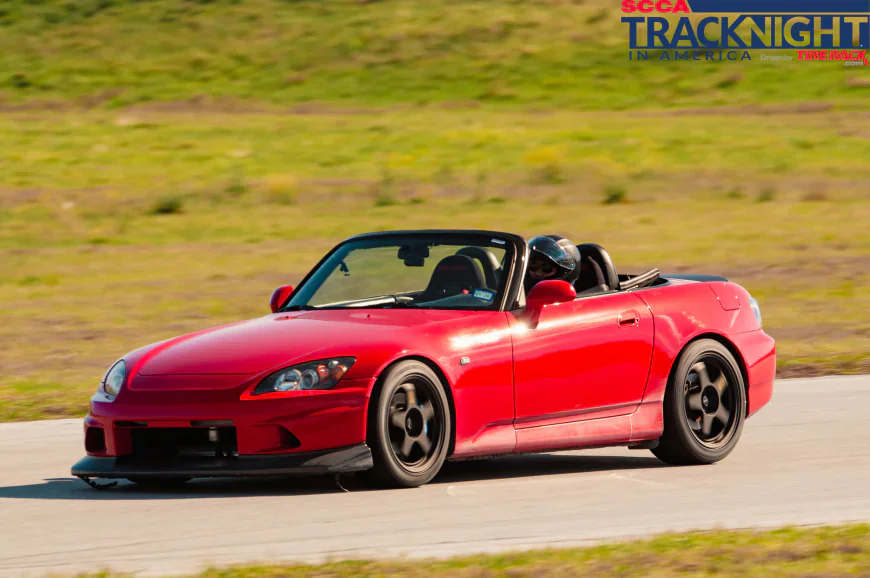
Modifying an S2000: Does Generation Matter?
Both platforms respond well to the usual sports car modification path, coilovers, upgraded brakes and a limited-slip differential upgrade if not already fitted, but the AP2's already-revised rear geometry means some builders find it needs less aggressive suspension tuning to feel confident at the limit compared to an AP1 running similar modifications. That said, plenty of dedicated AP1 owners have successfully tuned around its sharper factory tendencies with the right suspension setup, it's a genuine consideration rather than a dealbreaker either way.
So, Which S2000 Should You Actually Buy?
If you want the purest, rawest expression of what made the S2000 legendary, and you respect (or actively enjoy) a chassis that demands your full attention at the limit, the AP1 remains the purist's choice. If you want a genuinely improved, more usable car without losing what makes an S2000 special, the AP2's revised suspension and broader torque curve make it the more forgiving, arguably more sensible choice for a wider range of drivers and use cases.
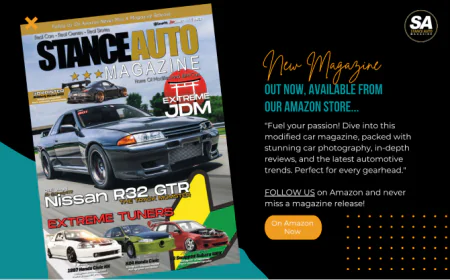
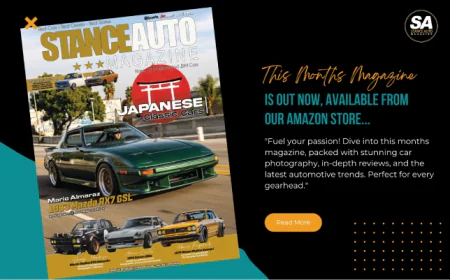
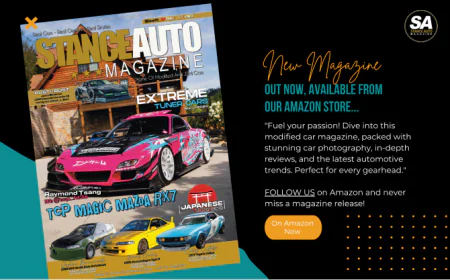
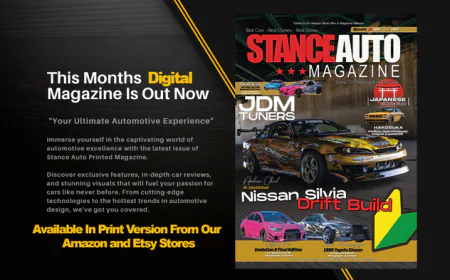
For more Honda comparisons and buyer's guides, and everything else modified car culture, head back over to Stance Auto Mag. You can also grab the latest print issue through our Amazon magazine store.
 Like
0
Like
0
 Dislike
0
Dislike
0
 Love
0
Love
0
 Funny
0
Funny
0
 Angry
0
Angry
0
 Sad
0
Sad
0
 Wow
0
Wow
0