





































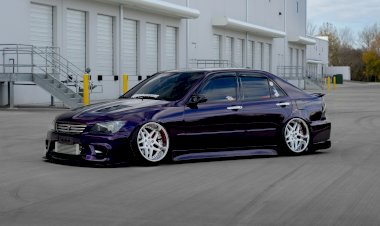
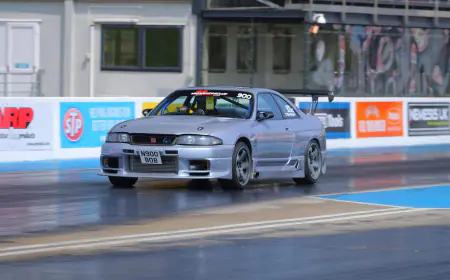
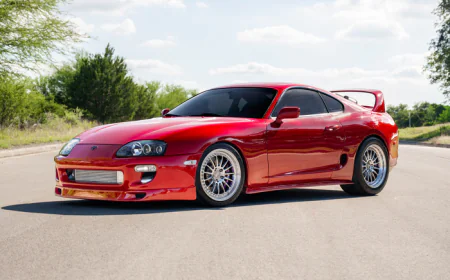

















.png)







![[HOONIGAN] Ken Block's GYMKHANA NINE](https://img.youtube.com/vi/_bkX5VkZg8U/maxresdefault.jpg)


















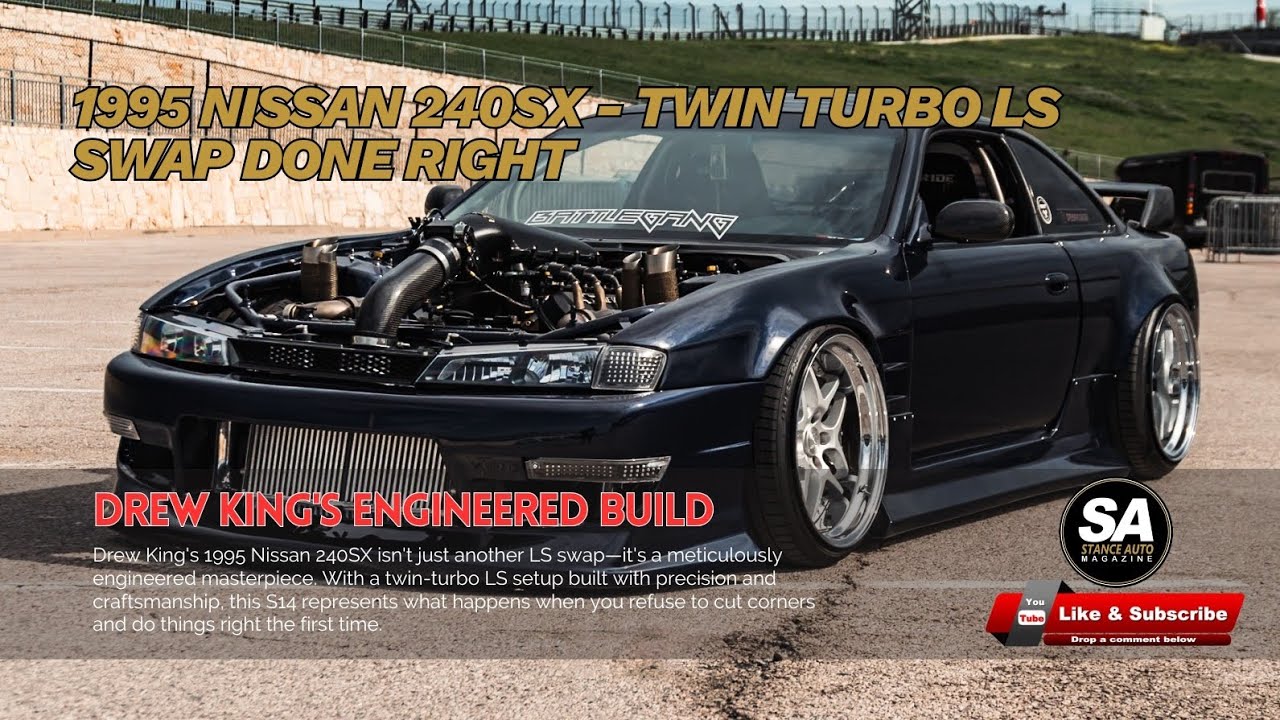

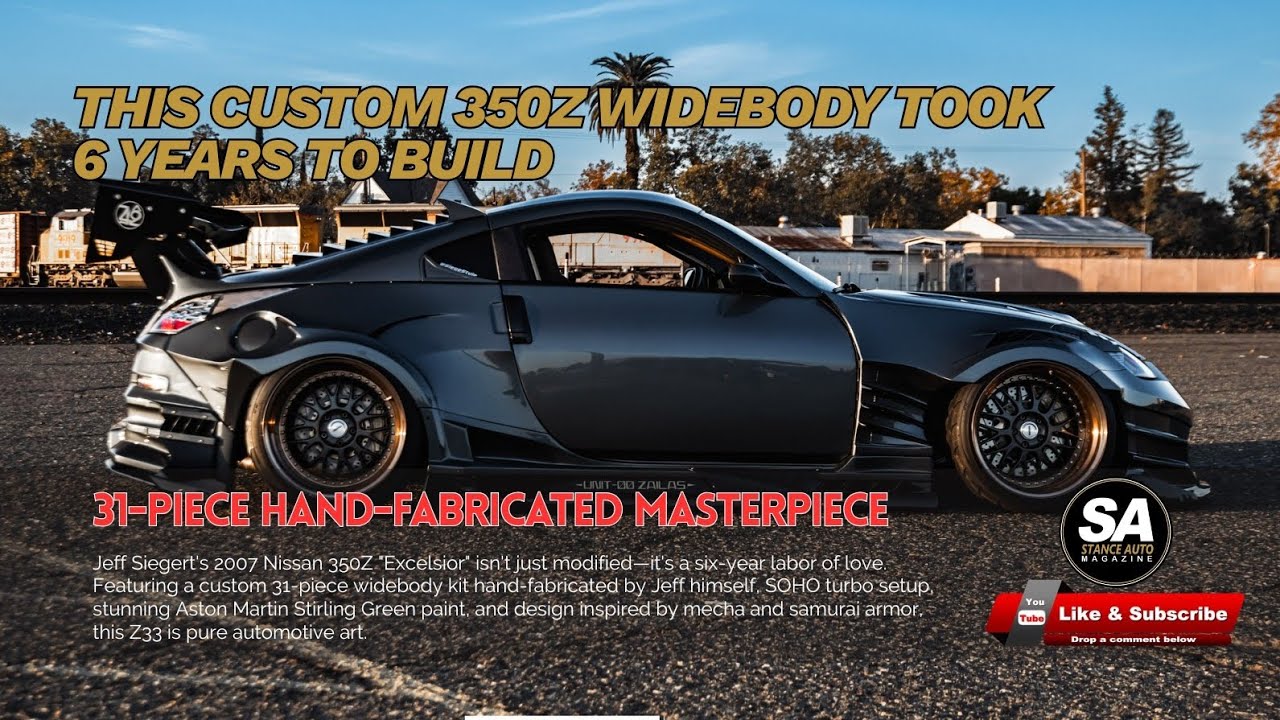
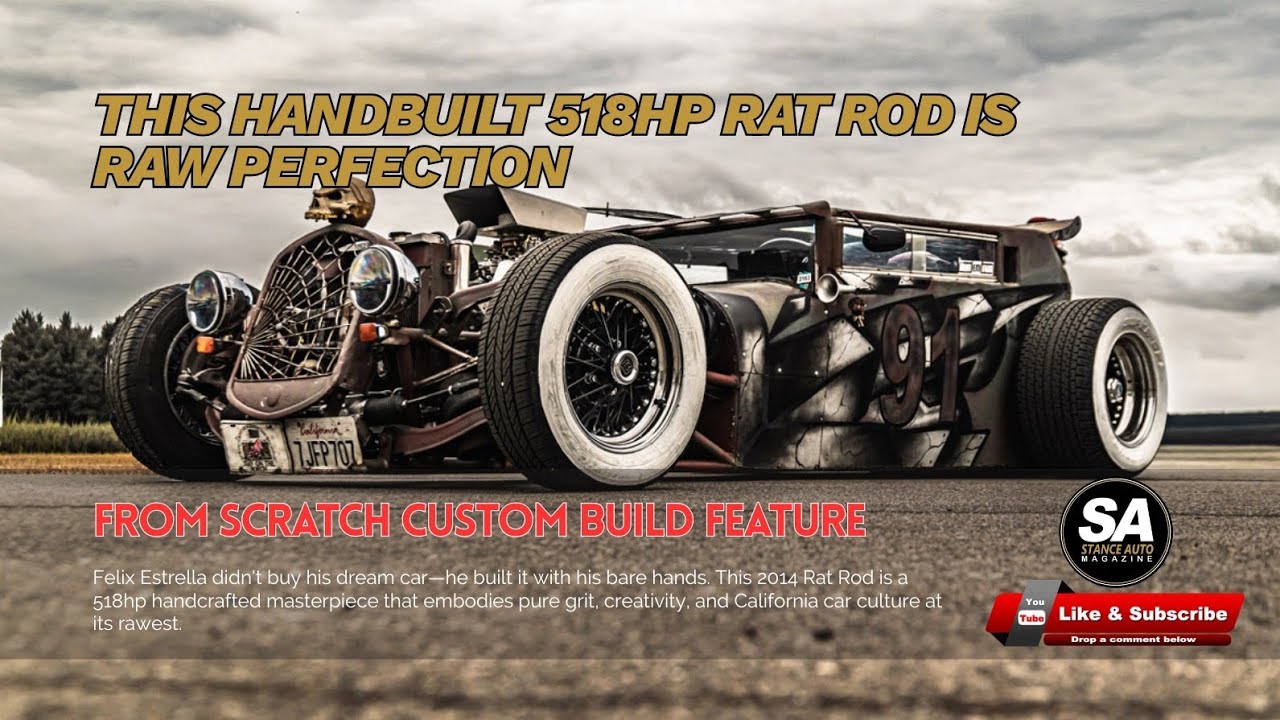




































![[HOONIGAN] KEN BLOCK'S GYMKHANA SEVEN: WILD IN THE STREETS OF LOS ANGELES](https://cdn.motor1.com/images/mgl/2KlO4/s1/ken-block-london-tour-directors-cut.jpg)
































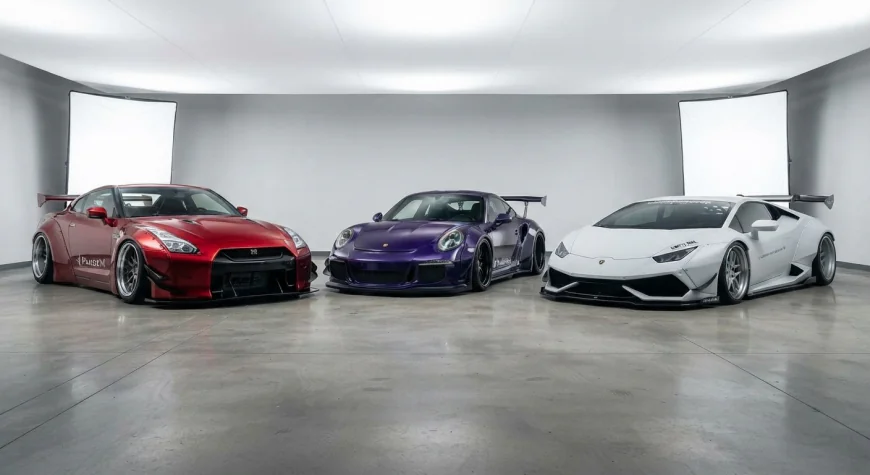
Pandem vs Rocket Bunny vs Liberty Walk: Which Widebody Brand?
Pandem, Rocket Bunny and Liberty Walk are the three biggest widebody brands in the world - here's what actually separates them and which suits your build.

Are Pandem and Rocket Bunny actually the same thing, and how do either of them compare to Liberty Walk? These are the three widebody brand names that dominate the modified car scene right now, and the confusion between them is genuinely widespread — partly because two of the three come from the same designer, and partly because the visual language they share makes casual observers assume they're interchangeable. They're not, and understanding what separates them matters more than most buyers realise before dropping serious money on a kit.
| Pandem | Rocket Bunny | Liberty Walk | |
|---|---|---|---|
| Designer | Kei Miura / TRA Kyoto | Kei Miura / TRA Kyoto | Wataru Kato / Liberty Walk |
| Origin | Japan | Japan | Japan |
| Style | Aggressive, over-fender | Aggressive, over-fender | Aggressive, over-fender |
| Pricing | Mid-high | Mid-high | High |
| Material | FRP/carbon options | FRP/carbon options | FRP/carbon/wide range |
| Notable platforms | 86/BRZ, GR86, Supra | Multiple | Ferrari, Lambo, Nissan, BMW |
Pandem and Rocket Bunny: Are They Actually Different?
Yes, and this is the one that confuses people most. Both Pandem and Rocket Bunny come from Kei Miura and his company TRA Kyoto — so they share the same designer and manufacturer. The difference is branding and application rather than fundamentally different design philosophy. Rocket Bunny was Miura's original international brand name, most strongly associated with his early landmark kits on the AE86, GT86, and Nissan platforms that made him famous globally. Pandem is the sub-brand Miura uses for his more contemporary releases, particularly as he's moved into newer platforms like the GR86 and GR Supra.
In practical terms, if you're looking at a kit from TRA Kyoto, it'll carry one brand or the other depending on the platform and when it was designed. The quality, construction philosophy, and design language are consistent across both because they come from the same hands.
What Is Liberty Walk?
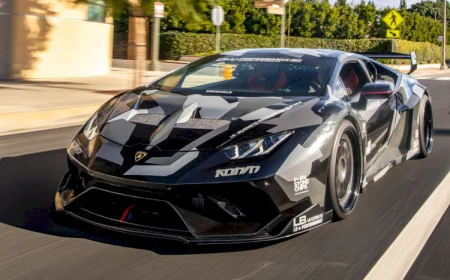
Liberty Walk is a completely separate company, founded by Wataru Kato and based in Nagoya, Japan. It has no design relationship with TRA Kyoto or Kei Miura. Liberty Walk built its reputation on a slightly different approach — going aggressively after exotic and premium European platforms that other aftermarket widebody manufacturers wouldn't touch, Ferrari 458s, Lamborghini Aventadors, McLarens, alongside the more expected JDM platforms. This willingness to modify factory exotic cars, and the controversy that sometimes generated from traditional collector communities, became a core part of the Liberty Walk identity and marketing strategy.
How Do the Styles Actually Differ?
All three lean into the same broad over-fender widebody visual language, but with genuinely different characters. Rocket Bunny and Pandem kits tend toward a cleaner, more sports-car-influenced aesthetic — purposeful, with aero choices that reference motorsport rather than pure visual drama. Liberty Walk has historically leaned harder into maximum visual impact, with wider flares, more dramatic aero options, and a deliberate luxury-plus-aggression aesthetic that works specifically because the starting point is a car most people treat as untouchable.
Which One Is Right for a JDM Build?
For a 90s or 2000s JDM platform, Rocket Bunny kits developed during that era are genuinely the more historically connected choice — many were designed specifically for the AE86, the S13/S14 chassis, and Japanese sports cars that defined the culture. For a modern JDM performance car like the GR86 or A90 Supra, Pandem's current catalogue covers those platforms directly. Liberty Walk's strength is in applying the widebody philosophy to platforms that weren't originally intended to go that direction, which creates the most dramatic visual contrast but requires the most significant financial commitment.
What Do Real Builds Look Like?
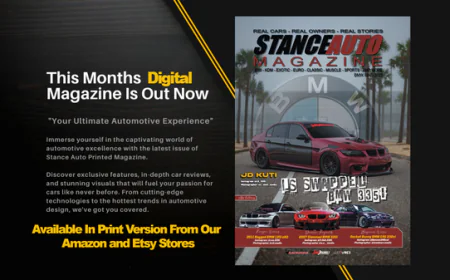
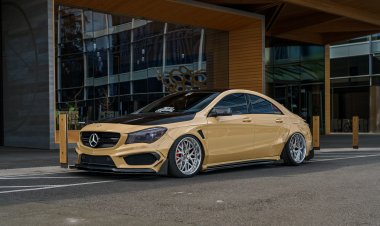
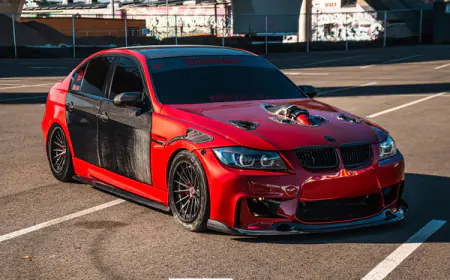
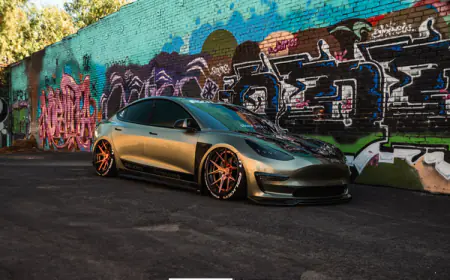
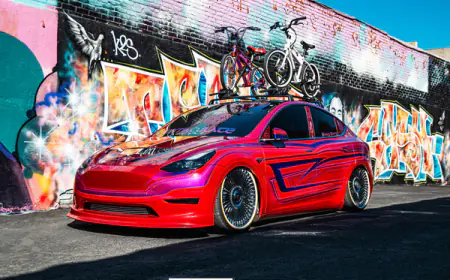
Our featured section has documented genuine builds wearing all three brands. Khris Taylor's SEMA-build Tesla in Artisan Spirits widebody and Kenneth Graepsey Dioso's Varis-widebody FK8 Type R both show what happens when a builder commits fully to the widebody direction on a platform it was designed for. For the JDM platform equivalents built around 90s classics wearing period-correct TRA Kyoto influence, the Stance Auto 90s JDM Classics magazine documents the builds that inspired these widebody designers — it's our hottest selling issue on Amazon right now.
Pandem Pros and Cons
- Pros: Designed by the same hand as Rocket Bunny, covers the newest JDM platforms, strong quality reputation
- Cons: Some platforms still awaiting dedicated kits as they're newer releases
Rocket Bunny Pros and Cons
- Pros: Strongest historical JDM platform coverage, Kei Miura's most recognised work, huge community following
- Cons: Fewer new-platform releases as Miura focuses on Pandem for contemporary cars
Liberty Walk Pros and Cons
- Pros: Unique in covering exotic European platforms, extremely wide model range, maximum visual drama
- Cons: Highest price point, more polarising aesthetic, less JDM-specific heritage
Related Reads
- What Is a Widebody Kit? Bolt-On vs Riveted Explained
- What Is Tokyo Auto Salon? The World's Biggest JDM Tuning Show
- Subaru BRZ vs Toyota GT86: Twins, But Which Is Better?
For more widebody and JDM build guides, and everything else modified car culture, head back over to Stance Auto Mag.
 Like
0
Like
0
 Dislike
0
Dislike
0
 Love
0
Love
0
 Funny
0
Funny
0
 Angry
0
Angry
0
 Sad
0
Sad
0
 Wow
0
Wow
0