






























































































.png)












![[HOONIGAN] Ken Block's GYMKHANA NINE](https://img.youtube.com/vi/_bkX5VkZg8U/maxresdefault.jpg)













































































![[HOONIGAN] KEN BLOCK'S GYMKHANA SEVEN: WILD IN THE STREETS OF LOS ANGELES](https://cdn.motor1.com/images/mgl/2KlO4/s1/ken-block-london-tour-directors-cut.jpg)






































What You Must Legally Disclose When Selling a Modified Car in the UK
Selling a modified car in the UK means legal obligations to disclose known faults and material modifications - here's what you actually have to tell buyers.

What You Must Legally Disclose.
Key Facts
- Private sellers must not misrepresent a car, even informally, under UK consumer protection law
- "Sold as seen" does not remove liability for deliberately hiding known, significant faults
- Undisclosed structural or safety-relevant modifications can constitute misrepresentation
- Sellers should disclose known modifications honestly, even where not legally mandatory, to avoid disputes
- Dealers face stricter legal obligations than private sellers under consumer protection law
Selling a modified car privately feels informal, a quick classified ad, a few photos, a handshake, but UK law still holds sellers to real standards around honesty, and getting this wrong can create genuine legal exposure well after the sale's completed.
Do Private Sellers Have the Same Obligations as Dealers?
No, and this is worth understanding clearly. Dealers are bound by stricter obligations under the Consumer Rights Act, including that goods must be as described, of satisfactory quality, and fit for purpose. Private sellers face a lower bar legally, but they're absolutely not exempt from all obligation, misrepresentation, actively lying about or concealing a known, significant issue, remains illegal regardless of whether you're a dealer or a private individual.
What Does "Sold as Seen" Actually Protect You From?
Less than most private sellers assume. "Sold as seen" can protect you from liability for faults you genuinely didn't know about, but it does not protect you from actively concealing or lying about a fault or modification you did know about. If a buyer can demonstrate you knew about a significant issue and deliberately failed to disclose it, "sold as seen" phrasing in your advert won't shield you from a misrepresentation claim.
Do You Have to Disclose Every Modification?
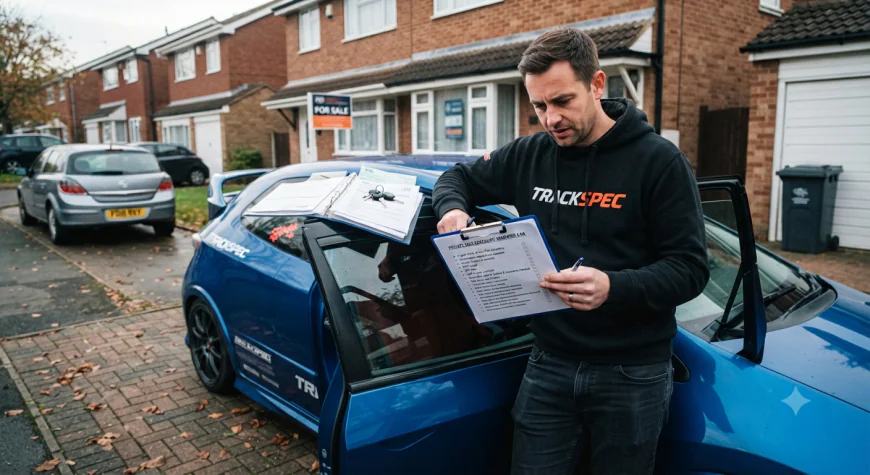
Not every single modification carries the same disclosure weight, but modifications that affect safety, legality, or the vehicle's fundamental characteristics genuinely should be disclosed honestly, both as good practice and to protect yourself from a later dispute. A cosmetic wheel change is a very different disclosure situation to an undisclosed remap that significantly altered performance, or structural modifications from a widebody kit, the more materially a modification changes the car from how it's being described, the stronger the case for full disclosure.
What About Modifications That Affect Legality?
This is where disclosure obligations get genuinely serious. Selling a car with modifications you know make it illegal for road use, without disclosing this to the buyer, creates real legal exposure, since you're potentially facilitating the buyer unknowingly committing an offence themselves. Illegal tint, non-compliant exhaust modifications, or other roadworthiness issues covered elsewhere in our legal guides fall squarely into territory that should be disclosed clearly, not left for the buyer to discover at their next MOT.
Does This Apply to Undisclosed Finance Too?
Yes, separately from modification-specific disclosure, selling a car that still has outstanding finance without disclosing this is a serious legal issue, potentially affecting the buyer's actual ownership rights, this is exactly the kind of issue an HPI check is designed to catch from the buyer's side, but the seller's disclosure obligation exists independently of whether the buyer happens to run a check.
What Should You Actually Do as a Seller?
Write an honest, complete description covering known modifications, known faults, and anything materially relevant to the car's condition or legality, keep documentation of major modifications to hand in case a buyer asks, and resist the temptation to leave out anything you suspect might put a buyer off, an honest listing that takes slightly longer to sell is a far better position than a quick sale followed by a misrepresentation dispute.
What Happens If a Buyer Discovers an Undisclosed Issue Later?
A buyer who can demonstrate genuine misrepresentation, that you knew about and concealed a significant fault or modification, has real legal recourse, potentially including a claim for damages or, in serious cases, rescission of the sale. This is a genuinely more serious outcome than most private sellers assume applies to an informal classified ad sale, the informality of the sale process doesn't reduce your underlying legal exposure for genuine dishonesty.
Does This Apply the Same Way When Selling Through a Platform Like AutoTrader or Facebook?
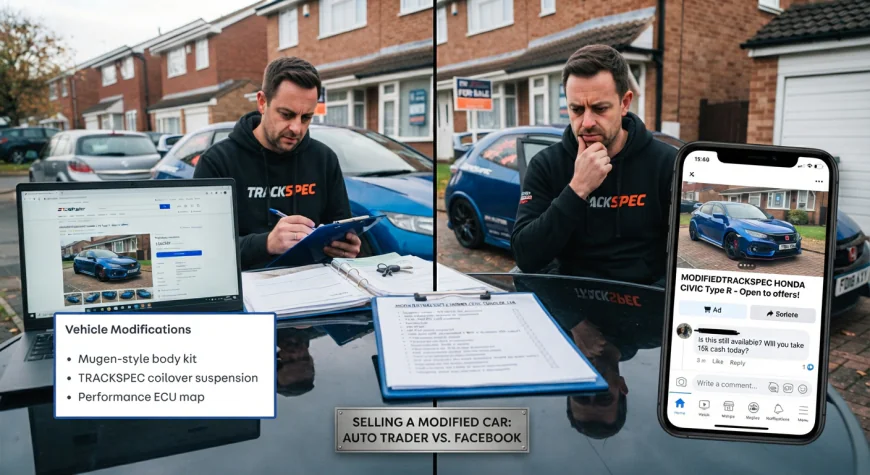
Yes, your disclosure obligations as a seller don't change based on which platform you're using, whether it's a classified site like AutoTrader, a dealer-auction platform, or a private listing on Facebook Marketplace; the same underlying misrepresentation rules apply regardless of the specific marketplace facilitating the sale. The platform is simply the venue, your legal obligations as the actual seller travel with you across all of them.
Should You Get Anything in Writing From the Buyer?
A simple written record confirming the buyer has seen and accepted the car's condition, including any specific modifications and known issues discussed, is a sensible extra step for a higher-value modified car sale specifically. It's not a legal requirement for a standard private sale, but it provides useful evidence of what was actually disclosed and agreed if any dispute arises later, protecting both parties rather than relying purely on memory of a verbal conversation.
The Bottom Line
Honesty in your listing isn't just good practice, it's genuine legal protection. Disclose known modifications, known faults, and anything affecting the car's legality or fundamental condition clearly, and keep supporting documentation where you have it, the small amount of extra effort in writing an honest, complete listing is a much better position than facing a misrepresentation claim after the sale.
For general guidance on your rights and obligations when selling a car, the Citizens Advice guidance on selling a car covers the relevant consumer protection framework. For more legal guides and everything else modified car culture, head back over to Stance Auto Mag. You can also grab the latest print issue through our Amazon magazine store.
 Like
0
Like
0
 Dislike
0
Dislike
0
 Love
0
Love
0
 Funny
0
Funny
0
 Angry
0
Angry
0
 Sad
0
Sad
0
 Wow
0
Wow
0