



















.png)



![[HOONIGAN] Ken Block's GYMKHANA NINE](https://img.youtube.com/vi/_bkX5VkZg8U/maxresdefault.jpg)




























![[HOONIGAN] KEN BLOCK'S GYMKHANA SEVEN: WILD IN THE STREETS OF LOS ANGELES](https://cdn.motor1.com/images/mgl/2KlO4/s1/ken-block-london-tour-directors-cut.jpg)

















How Does an RWB Porsche Build Work? The Real Process Behind Every Widebody
How does an RWB Porsche build work? From donor car prep to Nakai-san's hands-on fitting, here's the real process behind every widebody Porsche.
The Real Process Behind Every Widebody
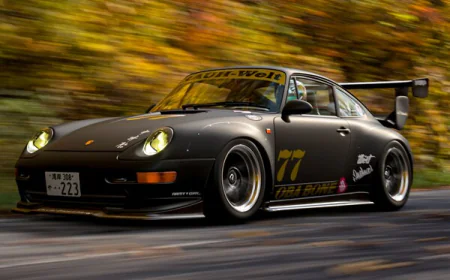
Everyone's seen the finished cars. The fender flares, the ducktail, the stance that looks like it's been dropped from a video game onto a real road. What most people haven't seen is what actually happens before any of that, because how an RWB Porsche build works is genuinely unlike almost anything else in modified car culture — there's no kit you order off a shelf, no fitting instructions, none of it. One man builds every single car himself, by hand, on location, and that fact shapes literally every stage of the process.
We've already covered what an RWB Porsche actually is and who created it if you need the background on Nakai-san and the brand itself. This one's about the mechanics of it — what actually happens between deciding you want one and driving it out of the workshop.
What Happens Before You Even Contact RWB?
Most builds start with research, and honestly a fair bit of obsessing over photos of other people's cars before anyone reaches out to a chapter. You need to understand what you're actually signing up for, because this isn't a bolt-on kit you can back out of halfway through. Once panels start getting cut, there's no going back to stock.
Owners typically get in touch with their regional RWB chapter first rather than Nakai-san directly — the UK has its own, and we've gone into that side of things properly in our guide on buying an RWB Porsche in the UK. The chapter acts as the point of contact, coordinates timing, and makes sure the donor car's suitable before anything gets booked in. This bit takes longer than people expect. Waitlists exist for a reason, and Nakai-san doesn't rush a build to hit someone else's deadline.
Why Does the Donor Car Matter So Much?
Because RWB is adding width and altering the entire relationship between the body, the suspension and the road — it isn't fixing problems; it's building on top of whatever's already there. A rusty shell or a car with hidden structural issues just gets those issues baked permanently into a very expensive widebody.
Air-cooled 911s remain the classic choice — 964s and 993s show up constantly, though G-Body and 930 donors turn up too, and RWB now works with later water-cooled models as well. The donor needs to be mechanically sound and structurally straight before bodywork starts. Any rot in the sills, floor pans or suspension mounting points needs sorting first, because the flares get riveted and bonded onto whatever's underneath, rust included, if nobody catches it beforehand. This is usually where a decent chunk of the budget disappears before a single panel's even been cut — sourcing a solid donor and getting it properly prepped.
How Is the Widebody Kit Actually Made and Fitted?
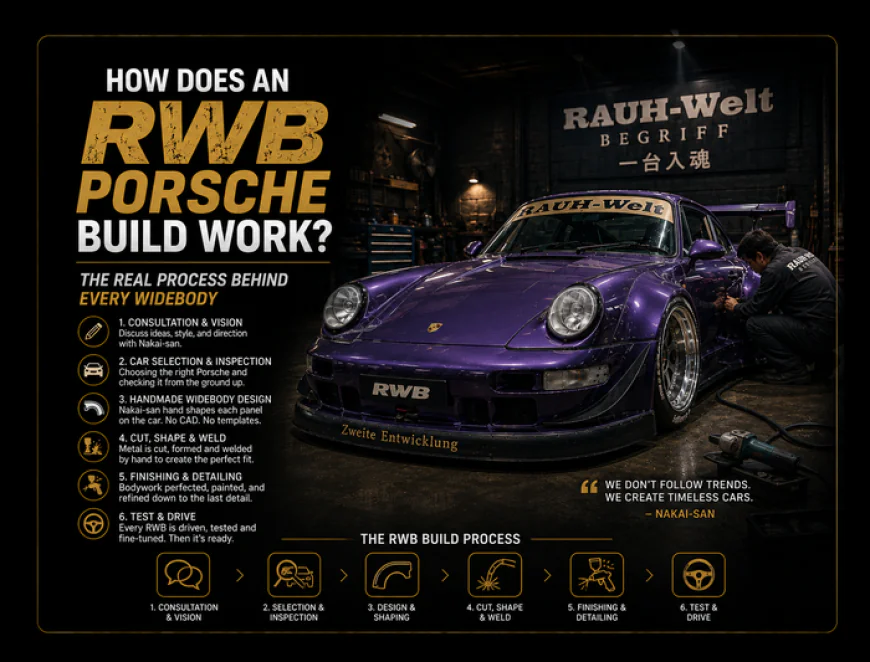
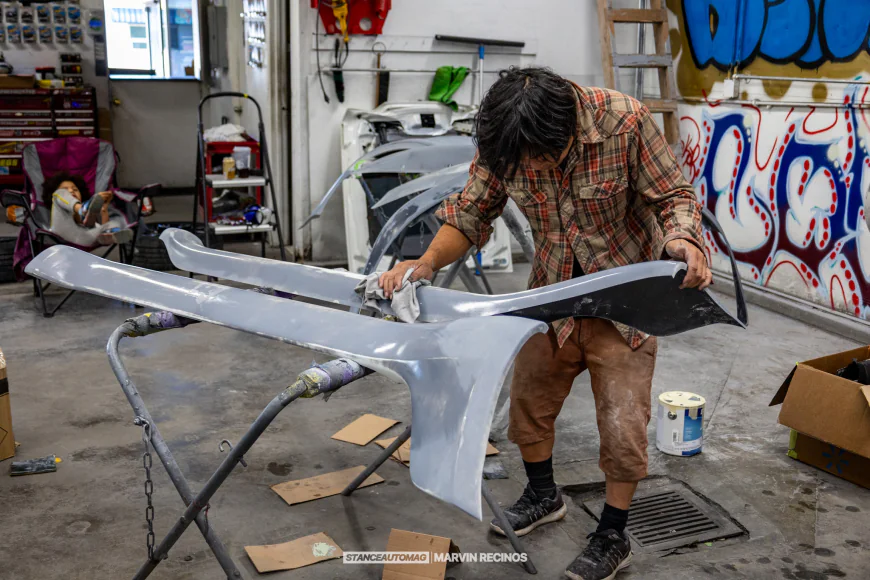
There isn't really a "kit" in the way that word usually gets used. Nakai-san doesn't ship a pre-moulded fibreglass flare that bolts onto a template. He builds each set of arches by hand, on the car, to fit that specific body and that specific wheel and tyre setup the owner wants.
The process is hands-on in a way that genuinely surprises people who've only ever seen bolt-on widebody kits before. Fender flares get hand-cut and shaped from flat panel material, test-fitted, adjusted, riveted and bonded directly onto the car's existing bodywork rather than replacing it. Every single RWB is therefore a genuine one-off, because the shape's being decided in real time against the actual wheels and tyres sitting under the arch, not against a CAD file. That's the whole reason two RWB cars never look quite identical even when they're built on the same chassis and running similar wheel specs.
What Actually Happens During Nakai-San's Visit?
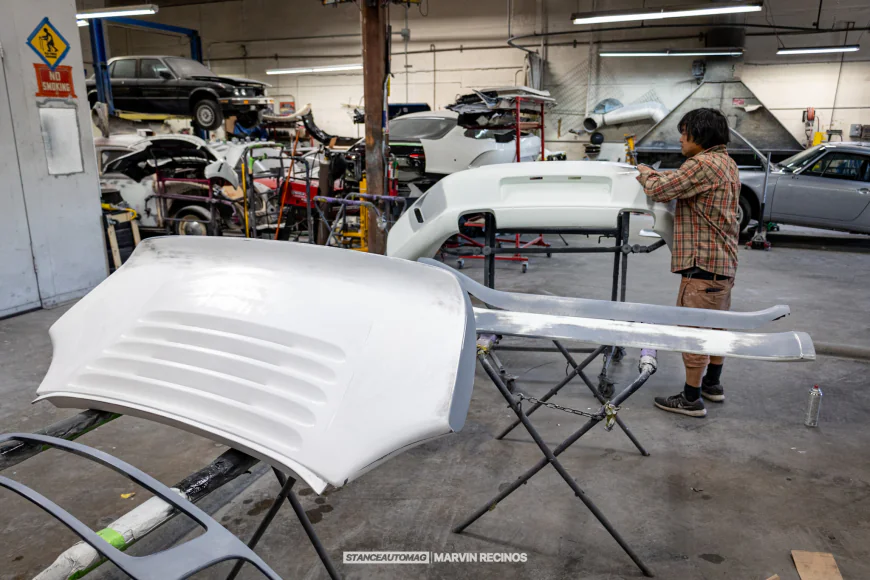
This is the part people find hardest to believe until they've seen it happen — the actual fitting takes one to two days on site, not weeks. Everything before that is preparation so that when Nakai-san arrives, the car's ready for him to work directly on it.
He travels to the car rather than the car going to him, flying in specifically for that build, and the fabrication happens in person at the workshop or the owner's chosen location. Panels get cut, shaped, test-fitted and riveted on in a genuinely intense couple of days, with very little room for indecision once cutting starts. Owners who've been through it describe it as equal parts nerve-wracking and incredible, watching someone reshape their car freehand with what looks like total confidence. There's no second attempt if something goes wrong, which says a lot about how much trust goes into booking the slot in the first place.
How Long Does the Whole Build Actually Take, Start to Finish?
Longer than the headline "1-2 days" figure suggests, because that number only covers the actual fitting. The full build, from confirming the slot to driving away in a finished car, usually runs into months once you factor in donor sourcing, structural prep, the wait for Nakai-san's schedule, and everything that happens after he leaves.
Paint alone can take weeks depending on the finish and how many panels need blending in. Suspension and brake work, if it's not already sorted before the widebody fitting, adds more time on top. Most owners plan for this being a proper long-term project rather than something they'll be driving within a month of first getting in touch, and the ones who go in expecting that timeline tend to enjoy the process a lot more than the ones fighting against it.
What Suspension and Brake Work Happens Alongside the Bodywork?
Wider arches only mean anything if there's a wheel and tyre package that actually fills them properly, and that package needs suspension underneath capable of controlling it. This is why an RWB build is never really "just" bodywork, whatever the finished photos might suggest.
Coilovers get specced to suit the new stance and the added width — plenty of owners run Bilstein setups, and it's a common enough pairing that you'll see it across a lot of builds. Bigger brakes usually come into the picture too, since wider wheels and a lower stance change how the car needs to stop, and Brembo calipers turn up regularly for exactly that reason. None of this is strictly mandated by RWB, but it's specced this consistently across builds because the widebody genuinely doesn't work as intended without it. Skip this part and you end up with a car that looks the part in photos and drives worse than it did stock.
What Does the Paint and Finishing Process Involve?
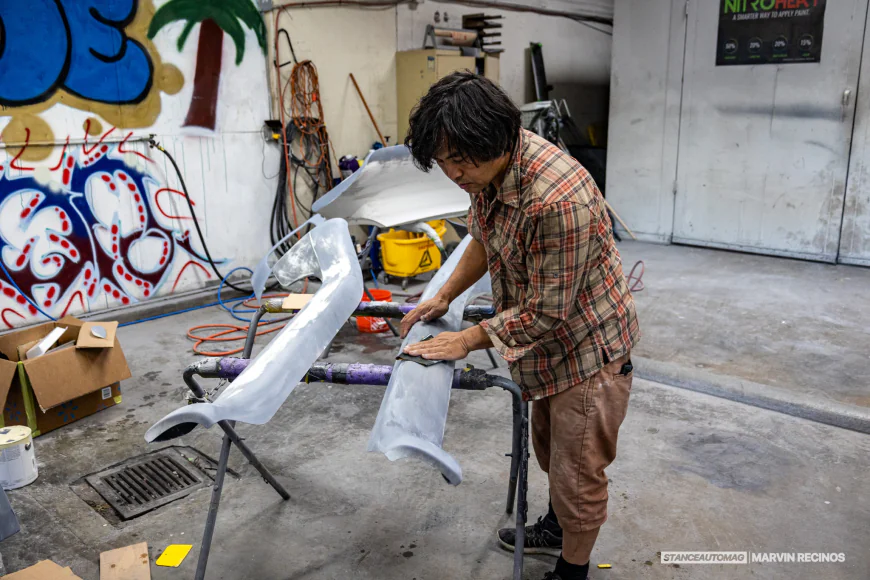
Once the panels are fitted and bonded, the car goes into paint, and this is where a lot of personal expression happens that has nothing to do with Nakai-san's input. Colour choice is entirely down to the owner, and it varies wildly across the community, from understated factory-style finishes to genuinely wild custom liveries built specifically to show off the new bodywork.
Interior work often gets tackled around the same time, though it's not part of the RWB process itself. Plenty of owners use the build as an excuse to sort seats, trim and other details that have been on the list for years, sometimes bringing in Recaro seating to match the more aggressive, track-leaning character the widebody gives the car. By the time paint and finishing wrap up, what started as a stock donor car barely resembles where it began.
How Much Does an RWB Build Actually Cost?
There's no single figure, and anyone quoting one flat number is oversimplifying it. Costs stack up across the donor car, structural prep, the kit fitting itself, wheels and tyres, suspension, brakes, paint and any interior work, and every one of those line items varies depending on the donor, the spec, and how much was already sorted before the build started.
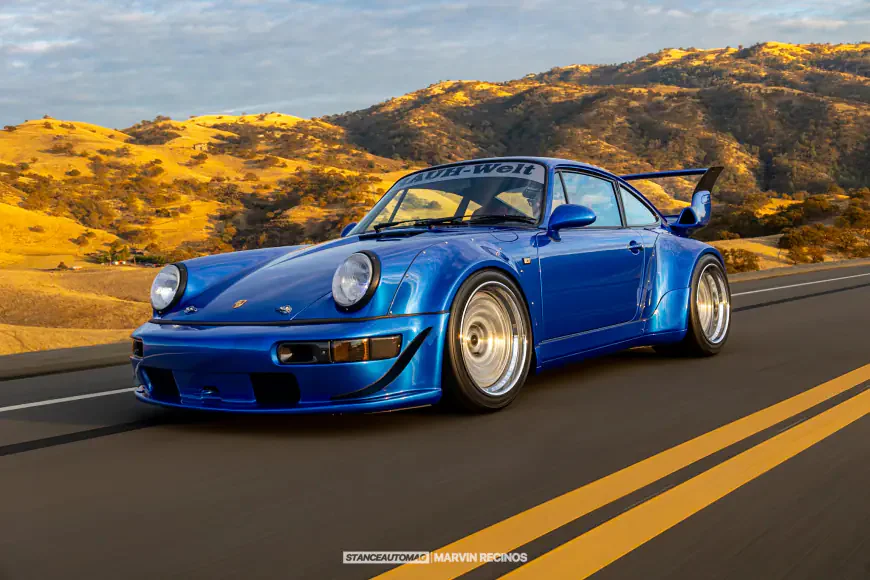
Finished RWB Porsches have changed hands anywhere from roughly six figures into well beyond it, and that range reflects just how differently two builds can go even starting from a similar donor car. Budgeting for the widebody fitting alone and hoping the rest sorts itself out is a common and expensive mistake — the kit is genuinely just one part of what makes the finished car work.
What Happens After the Kit Is Fitted?
The car doesn't just roll straight onto the road the moment Nakai-san packs up and leaves. Alignment needs sorting properly once the new wheel and tyre package is in, since the geometry's changed meaningfully from stock even before you factor in any lowering. Any remaining paint, trim or interior work usually gets finished off locally rather than during the fitting window itself.
Depending on where the build happens, there can also be inspections or certification requirements to get the modified car road-legal, and that's worth sorting early rather than treating it as an afterthought once the car's finished and the owner just wants to drive it.
The Bit Most People Get Wrong About RWB Builds
The biggest misconception is treating it like ordering a widebody kit that happens to have a famous name attached. It isn't that. It's a genuinely bespoke, one-off fabrication process built entirely around one person's hands and eye, and every stage before and after his visit exists to support those one to two days properly. Skimp on donor prep or the suspension work either side of it, and you end up with a car that looks the part but doesn't actually work the way it should.
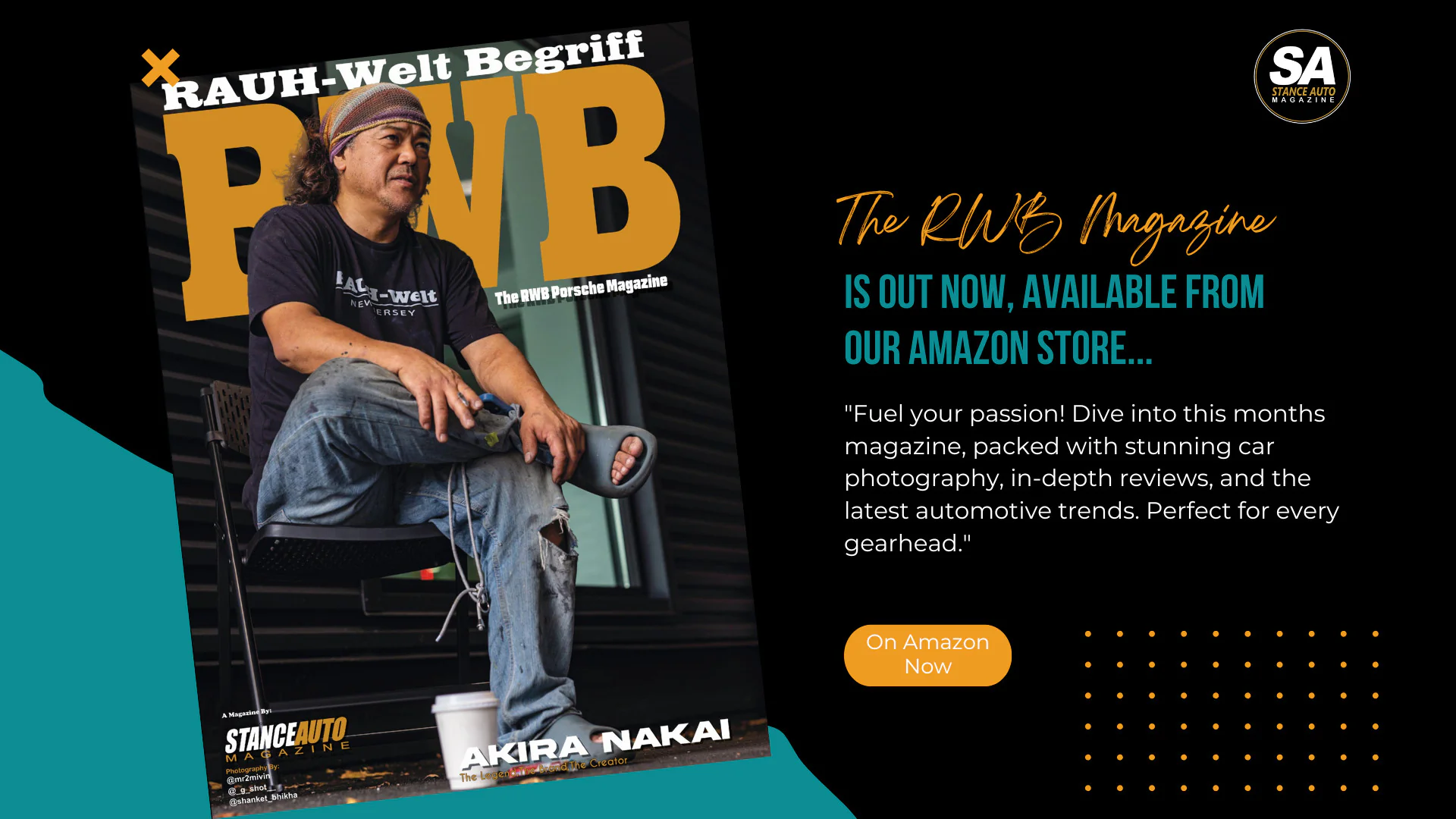
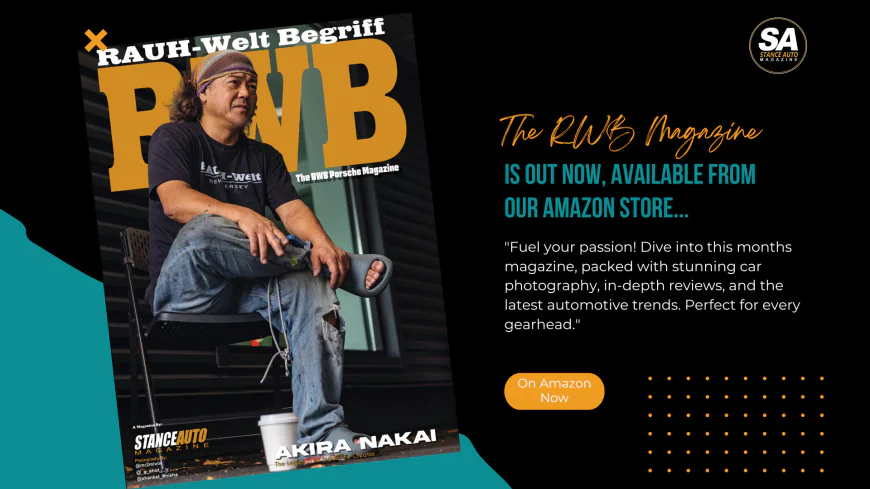
If you want to see what that process actually looks like in the real world, our RWB Magazine pulls together genuine reader-submitted builds from start to finish, RWB and otherwise, and it's a good place to see how differently owners approach the same basic process. It's available to buy on Amazon, or free as a digital edition on the site.
Related Reads:
- What Is an RWB Porsche? Who Created It.
- Can You Buy an RWB Porsche in the UK? Everything You Need to Know
- 1990 RWB Porsche 911 964 C2: John Lau's "Mujer Bonita"
- Porsche 911 993 RWB: Dan Birkinshaw's Rauh-Welt Begriff Masterpiece
For more RWB features, builds and everything else going on in the scene, head over to stanceauto.co.uk, and if you want the print side of things, our magazine is available through the Stance Auto Amazon store.
 Like
0
Like
0
 Dislike
0
Dislike
0
 Love
0
Love
0
 Funny
0
Funny
0
 Angry
0
Angry
0
 Sad
0
Sad
0
 Wow
0
Wow
0