











































.png)







![[HOONIGAN] Ken Block's GYMKHANA NINE](https://img.youtube.com/vi/_bkX5VkZg8U/maxresdefault.jpg)


























































![[HOONIGAN] KEN BLOCK'S GYMKHANA SEVEN: WILD IN THE STREETS OF LOS ANGELES](https://cdn.motor1.com/images/mgl/2KlO4/s1/ken-block-london-tour-directors-cut.jpg)































RB20 vs RB25 vs RB26: Nissan's Turbo Six Engines Compared
RB20 vs RB25 vs RB26: we compare Nissan's turbo inline-sixes on displacement, power ceiling, weight and swap cost to help you pick the right one.
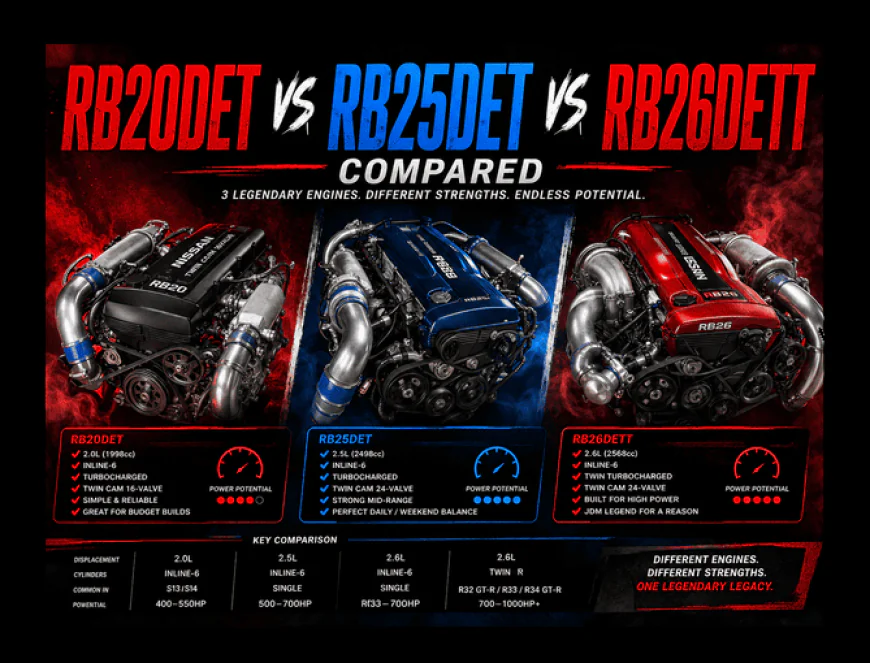
Nissan's Turbo Six Engines Compared
Three letters and two numbers, and somehow an entire section of the JDM scene has an opinion on which combination is correct. The RB family powered everything from the R32 Skyline through to the R34 GT-R, and the RB20, RB25 and RB26 are the three you'll actually run into when you're shopping for a swap or trying to work out what's sitting in the engine bay of the Skyline you're eyeing up.
| RB20DET | RB25DET | RB26DETT | |
|---|---|---|---|
| Displacement | 2.0L | 2.5L | 2.6L |
| Turbo layout | Single turbo | Single turbo | Sequential twin-turbo |
| Stock power | ~210hp | ~245-250hp | ~276hp (JDM limited) |
| Typical safe power (stock internals) | 300-350whp | 350-400whp | 500-550whp |
| Common donor cars | R32 Skyline (non-GT-R) | R33/R34 Skyline (non-GT-R) | R32/R33/R34 GT-R |
| Aftermarket support | Moderate | Strong | Extensive |
Displacement and Stock Power Compared
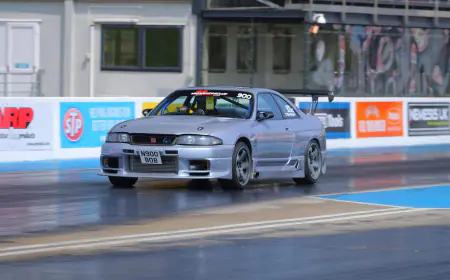
The RB20DET was the entry point into the family, fitted to the base R32 Skyline and never intended to be a big power engine in factory form. The RB25DET stepped things up with an extra half-litre, becoming the more common swap candidate for anyone wanting genuine RB character without hunting down a GT-R donor. The RB26DETT is the one everyone actually means when they say "RB" with reverence — the sequential twin-turbo GT-R engine, factory-rated at the same Japanese-market-limited 276 horsepower as the 1JZ and 2JZ, and built from the ground up as a genuine performance unit rather than a detuned family-car engine wearing a turbo.
Block Strength and Tuning Ceiling
All three share the same basic cast-iron block architecture, but they're not interchangeable in terms of what they'll tolerate. The RB26's internals are the strongest of the three from the factory, with forged internals in most versions that give it genuine headroom before you're forced into a full rebuild. The RB20 and RB25 use weaker factory internals by comparison, which is fine for mild builds but becomes the limiting factor quickly once you're chasing serious boost — most tuners treat forged pistons and rods as close to mandatory on an RB25 build past a certain power figure, where a stock RB26 has more room to breathe first.
Weight, Packaging and Swap Difficulty
Physically, all three engines share enough of the same basic dimensions that swap kits designed for one often adapt reasonably well to the others, which is part of why the RB family became such a popular swap choice into non-Nissan chassis over the years. The RB26's twin-turbo plumbing does make it the more involved install of the three, simply because there's more hardware to package into the same engine bay. If you're swapping into something that wasn't originally built around an RB, budget more time for the RB26 specifically — the extra turbo, the additional oil lines, and the more complex wiring all add up.
Availability and Cost
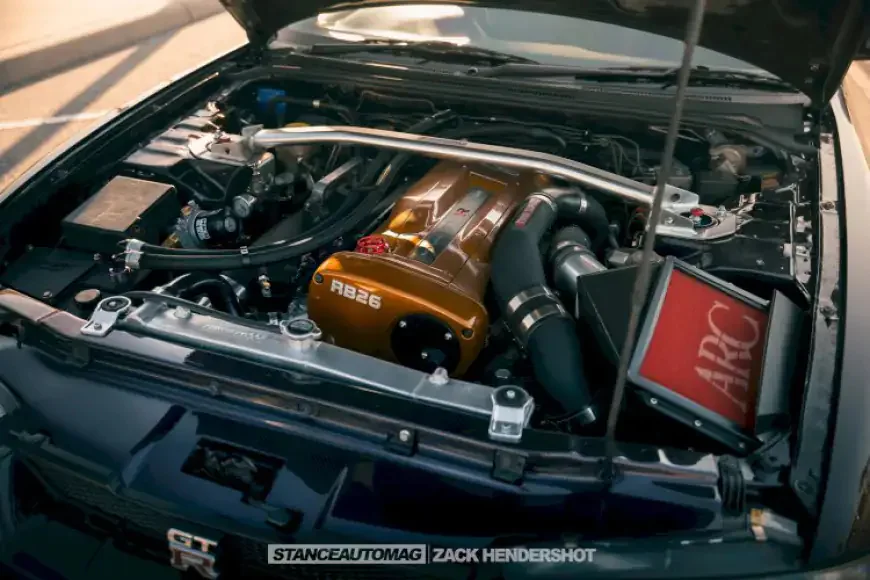
The RB20 is the cheapest and easiest to source of the three, which makes it a genuinely underrated budget option if you want RB character without RB26 money. The RB25 sits in the middle, common enough from R33 and R34 donor cars that parts and complete engines aren't hard to find. The RB26 is the expensive one, and it's only getting more so as GT-R values climb — sourcing a genuine RB26 increasingly means either buying a parts car at real cost or paying a premium for the engine alone.
RB20DET Pros and Cons
- Pros: Cheapest to source, lightest of the three, plenty of tuning knowledge available
- Cons: Lowest stock power ceiling, smallest aftermarket parts pool
RB25DET Pros and Cons
- Pros: Good balance of cost and power, strong aftermarket support, common donor cars
- Cons: Weaker stock internals than the RB26, needs forged parts sooner for big power
RB26DETT Pros and Cons
- Pros: Strongest factory internals, highest stock-internals power ceiling, genuine GT-R pedigree
- Cons: Most expensive to source, more complex twin-turbo install, rising GT-R-driven prices
Final Verdict
There's no single "best" RB, only the best RB for your specific build brief and budget. Treat the RB20 as the honest budget option that still delivers real RB character, the RB25 as the sensible all-rounder most builders should default to, and the RB26 as the engine you build when the GT-R pedigree and the higher ceiling are worth the extra cost and complexity to you specifically.
Which Turbo Setup Makes Sense?
The RB26's factory sequential twin-turbo setup is often kept stock for milder builds since it's a genuinely capable factory system, unlike the smaller single turbos on the RB20 and RB25 which get outgrown fairly quickly. A single upgraded turbo from a brand like Garrett is the common next step on any of the three once you're past factory boost levels, paired with a standalone ECU from something like Haltech for the tuning headroom to run it safely. Fuelling upgrades, including larger injectors from a brand like Injector Dynamics, tend to follow shortly after on any serious build regardless of which RB you've chosen.
Reliability: What Actually Breaks First?
None of the three RB engines are fragile in stock form, but they each have known weak points once you're pushing past factory power. The RB20 and RB25 share a reputation for cracked ringlands under sustained high boost on stock pistons, which is the main reason forged internals become a priority earlier on these two than on the RB26. The RB26 is more commonly let down by its oil pump and oil pump collar, a well-documented weak point that's become a standard preventative upgrade on any serious RB26 build regardless of power target. None of these are reasons to avoid any of the three engines, they're just the maintenance items worth budgeting for rather than being surprised by later.
Which Chassis Suits Which RB?
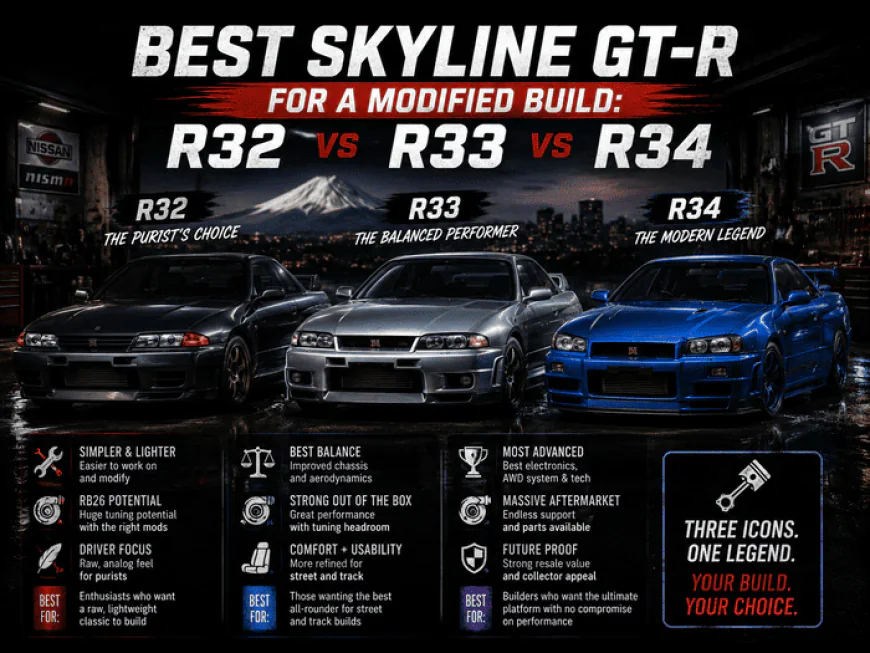
The RB20 and RB25 most commonly stay in their factory Skyline homes or find their way into drift-oriented S-chassis builds, where their lighter weight relative to the RB26 is a genuine handling advantage. The RB26 is most at home in GT-R chassis it was designed for, and while it has been swapped elsewhere, the cost and complexity involved mean it's a less common choice outside a GT-R unless the build brief specifically calls for the extra power ceiling and the twin-turbo setup is worth the install complexity to you.
Common Mistakes on RB Builds
The most common mistake across all three engines is the same one that trips up 1JZ and 2JZ builders: chasing a bigger turbo before the fuelling and tuning are sorted to actually support it safely. On the RB25 specifically, skipping the oil pump and internals upgrades before pushing serious boost is a fast way to turn a promising build into an expensive rebuild. On the RB26, underestimating how much the twin-turbo plumbing adds to install time is the mistake that catches out first-timers who budgeted for a "simple" swap and ended up three weekends deep in oil line fabrication instead.
RB Engines vs 1JZ/2JZ: Worth Knowing
If you've read our 1JZ vs 2JZ comparison, you'll notice the RB family occupies similar territory in the wider "which JDM inline-six should I build" conversation, and the two families get cross-shopped constantly. Broadly, the RB26 trades blows with the 2JZ-GTE at the top end, while the RB20 and RB25 sit closer to the 1JZ in terms of cost and packaging, though the comparison isn't perfectly clean given how differently each block responds to forced induction upgrades. If you're chassis-agnostic and purely comparing engines on merit, it often comes down to which parts ecosystem and donor car availability is stronger in your specific region rather than one family being definitively better than the other.
So, Which RB Should You Actually Build?
If budget is the deciding factor and you want genuine RB character, the RB20 punches above its price point and deserves more respect than it gets. If you want the best balance of cost, power ceiling and parts availability, the RB25 is the sensible middle ground most builders actually land on. If money isn't the constraint and you want the strongest factory internals with the highest ceiling, the RB26 remains the benchmark for a reason — it's just a genuinely more expensive road to get there.
For more on Nissan's turbo-six family and swap planning, check out our other engine breakdowns, and for everything else modified car culture, head back over to Stance Auto Mag. You can also grab the latest print issue through our Amazon magazine store.
 Like
0
Like
0
 Dislike
0
Dislike
0
 Love
0
Love
0
 Funny
0
Funny
0
 Angry
0
Angry
0
 Sad
0
Sad
0
 Wow
0
Wow
0