















































.png)








![[HOONIGAN] Ken Block's GYMKHANA NINE](https://img.youtube.com/vi/_bkX5VkZg8U/maxresdefault.jpg)
































































![[HOONIGAN] KEN BLOCK'S GYMKHANA SEVEN: WILD IN THE STREETS OF LOS ANGELES](https://cdn.motor1.com/images/mgl/2KlO4/s1/ken-block-london-tour-directors-cut.jpg)



































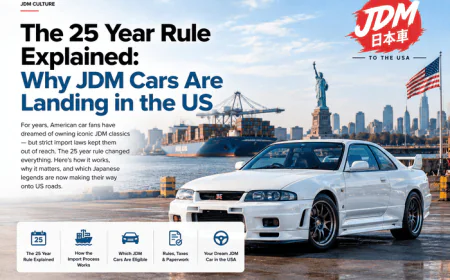
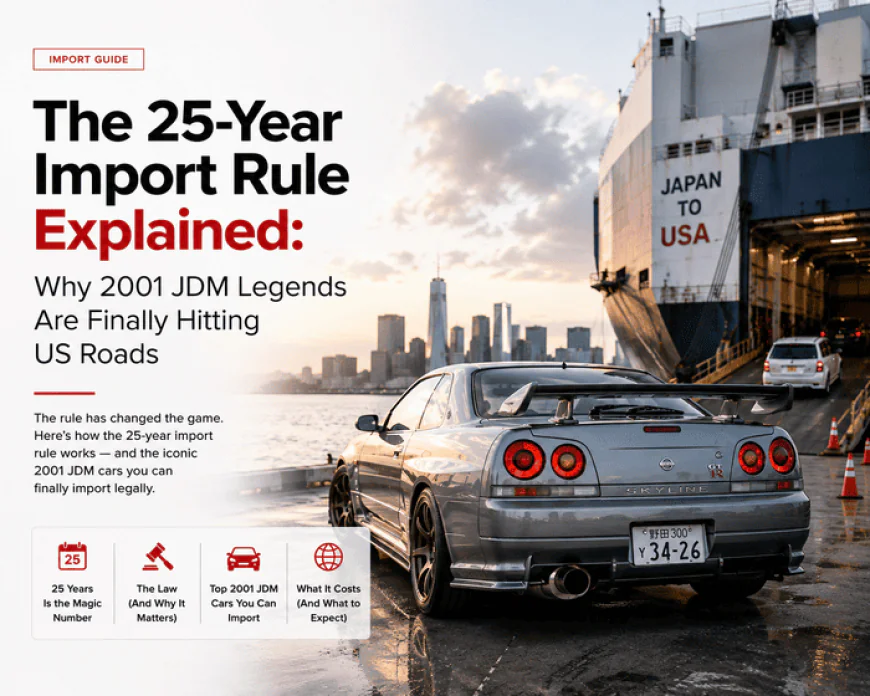
The 25-Year Import Rule Explained: Why 2001 JDM Legends Are Finally Hitting US Roads
The 25-year import rule lets 2001 JDM cars into the US in 2026 — but build date, not model year, decides eligibility. Here's how it really works.
Why 2001 JDM Legends Are Finally Hitting US Roads
The 25-year import rule is the federal provision, found in 49 CFR § 591.5(i), that exempts any vehicle 25 years or older from having to meet US Federal Motor Vehicle Safety Standards, which is what actually makes it legal to bring right-hand-drive JDM icons into the country without a crash-test certificate in hand.
In plain English: once a car hits 25 years old from its exact manufacture date, NHTSA stops caring whether it was ever built for American roads. That's the whole loophole, and it's why 2026 is such a big year for the JDM world.
The Rule Everyone Gets Slightly Wrong
The most common mistake — even among excited buyers — is treating the 25-year clock as a model-year calculation. It isn't. Eligibility is based on the vehicle's actual date of manufacture, stamped on the door jamb plate, not the model year on the title. A "2001" Skyline built in September 2000 became eligible in September 2025. A 2001 Lancer Evolution VII built in October 2001 doesn't clear the bar until October 2026. That three-to-six-month window matters enormously in practice, because prices on borderline models can swing 30 to 50 percent the moment the import door legally opens.
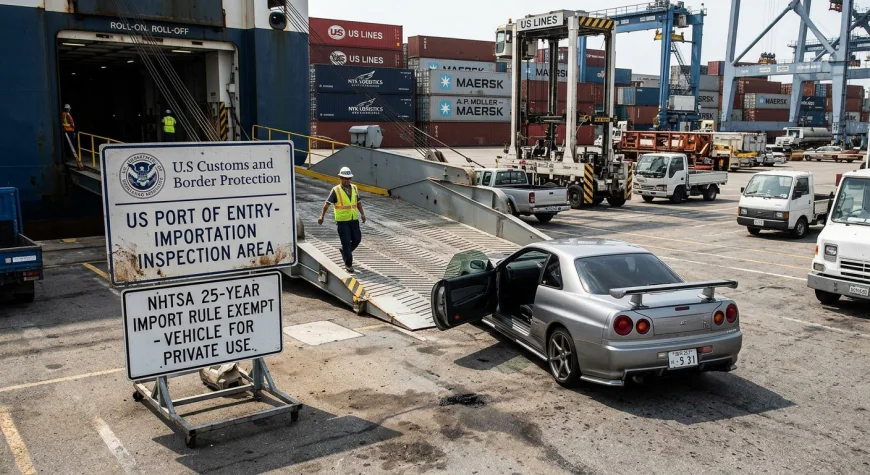
The federal exemption itself is genuinely two rules stacked together. NHTSA's 25-year mark exempts a vehicle from FMVSS — crash safety, lighting, glazing standards. EPA runs a separate clock, generally 21 years, for emissions conformance. Once both are cleared, an importer can bring the car in without certifying it meets modern American safety or emissions standards at all.
What's Actually Becoming Legal in 2026
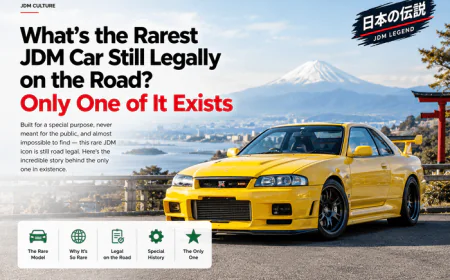
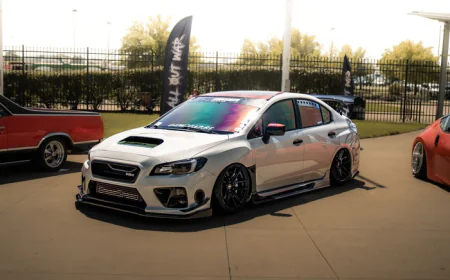
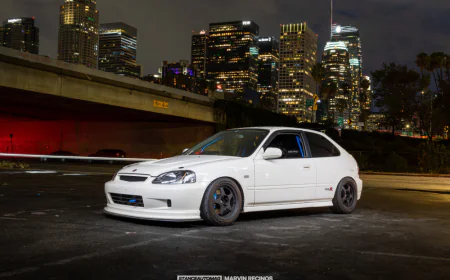
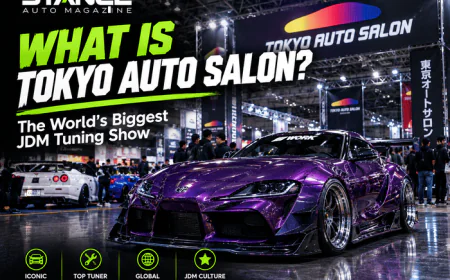
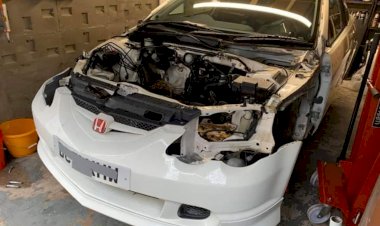
2001-build JDM cars are the headline story this year, and the list reads like a wishlist: the Nissan Skyline R34 GT-R (later V-Spec II examples), the Mitsubishi Lancer Evolution VII, the Subaru Impreza WRX STI Type RA, the Honda S2000 in Japan-spec AP1 form, and the EP3-generation Civic Type R. Because eligibility runs on manufacture date rather than a single January 1st cutoff, these models are trickling into legality throughout the calendar year rather than all landing on the market at once.
The California Problem Nobody Warns You About
Federal legality and state registration are two completely separate fights, and this is where a lot of excited buyers get burned. Clearing customs under the 25-year exemption tells you the car can enter the country — it says nothing about whether California, or any state with its own emissions authority, will let you put plates on it. California Air Resources Board (CARB) rules operate independently of federal law, and a car that's 100% legal to import can still be refused registration in California unless it goes through CARB's direct-import laboratory process or the buyer gets written confirmation from CARB and the DMV before the car even ships. The advice from import specialists is blunt: never buy a JDM car for California registration based on age alone — get the chassis number, engine configuration, and intended use in front of CARB and DMV first, and keep their written response with the vehicle file.
Is the 25-Year Rule Protecting Americans, or Just American Automakers?
This is where the debate actually splits car people from policy people. Supporters of a strict, unmodified rule argue it exists for a real reason: pre-2000s vehicles genuinely weren't built to modern crash standards, and letting untested cars onto public roads en masse is a legitimate safety question, not just red tape.
Critics — and this is the more common view inside car culture — point out that the rule was written in an era when Japanese manufacturers were producing genuinely excellent, often safer-feeling performance cars that were simply never federalized for the US market, largely because of cost, not danger. The suspicion that the 25-year wait was partly designed to protect domestic manufacturers from competing directly with cars like the Skyline GT-R has floated around import forums for decades, and it's not entirely baseless — the rule long predates the current wave of JDM enthusiasm and was written with mainstream import competition, not enthusiast grey-market cars, in mind.
Either way, if you're chasing a 2001-build JDM car this year, the real work isn't finding the car — it's confirming the exact manufacture date and having a state-specific registration plan before the car ever leaves Japan. If you're weighing which generation to chase, our R32 vs R33 vs R34 Skyline comparison and RX-7 FC vs FD buyer's guide are worth a read before you commit to a chassis.
Planning a 25-year-rule import build? A good OBD scanner and multimeter earn their keep fast on a freshly landed JDM chassis — you'll find both in the Mag store on Amazon.
Sources: 49 CFR § 591.5(i), NHTSA 25-year exemption guidance, JDM import industry reporting (JDMBUYSELL, Woodside Credit, GarageApp, Trillionaire Daily, JDM Drive), California DMV and CARB import registration guidance.
 Like
0
Like
0
 Dislike
0
Dislike
0
 Love
0
Love
0
 Funny
0
Funny
0
 Angry
0
Angry
0
 Sad
0
Sad
0
 Wow
0
Wow
0