












.png)




![[HOONIGAN] Ken Block's GYMKHANA NINE](https://img.youtube.com/vi/_bkX5VkZg8U/maxresdefault.jpg)



























![[HOONIGAN] KEN BLOCK'S GYMKHANA SEVEN: WILD IN THE STREETS OF LOS ANGELES](https://cdn.motor1.com/images/mgl/2KlO4/s1/ken-block-london-tour-directors-cut.jpg)


















What Is the Mid Night Club? Japan's Most Secretive Street Racers
The Mid Night Club was Japan's most secretive supercar street racing group - here's the real story behind the legend, the cars, and how it ended.
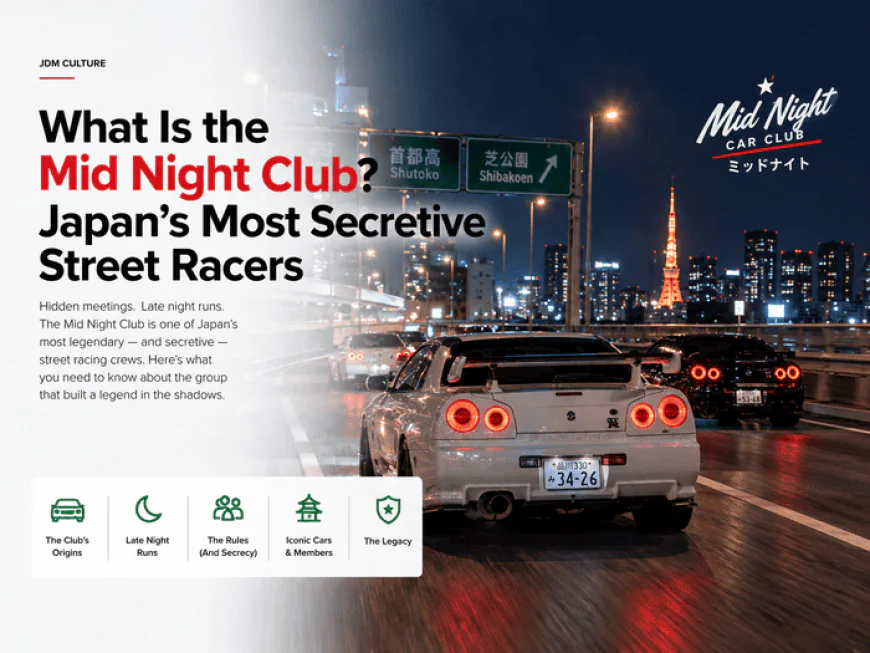
Before Fast and Furious, before Initial D, before touge culture went global, there was a group of extraordinarily wealthy Japanese professionals quietly running supercars at 200mph on Tokyo's elevated highways — and almost nobody outside Japan knew it was happening. The Mid Night Club is one of the most genuinely extraordinary stories in the history of car culture, and most of it unfolded during a period when Western audiences weren't paying any attention to Japan's street racing scene at all.
Who Actually Were the Mid Night Club?
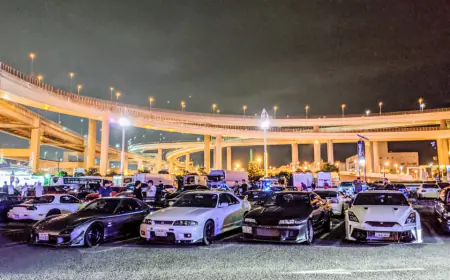
The Mid Night Club wasn't a gang or a street racing crew in any conventional sense. It was a deliberately exclusive, invitation-only organisation of wealthy Japanese professionals — doctors, lawyers, businesspeople — who shared a specific obsession: going very fast on the Wangan, the elevated expressway running along Tokyo Bay toward Yokohama. Membership was strictly controlled. New members needed existing members to vouch for them personally, and the group maintained a code of conduct that separated it sharply from the chaos of ordinary street racing culture. The identities of most members were never publicly disclosed, and that deliberate anonymity became a core part of the legend.
What Cars Did They Actually Run?
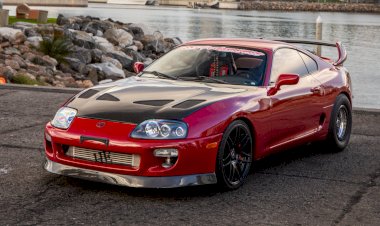
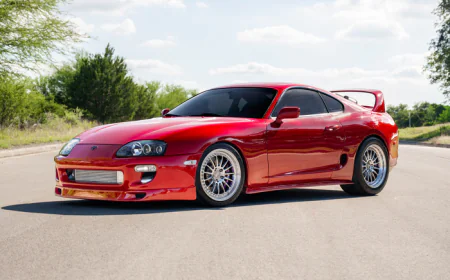
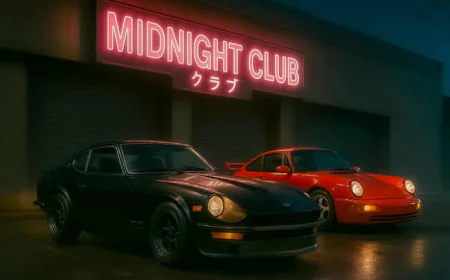
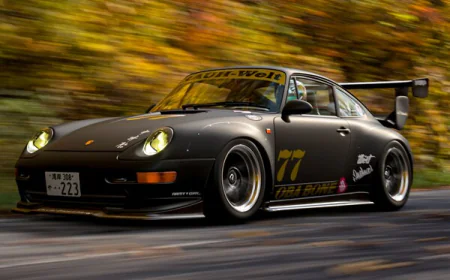
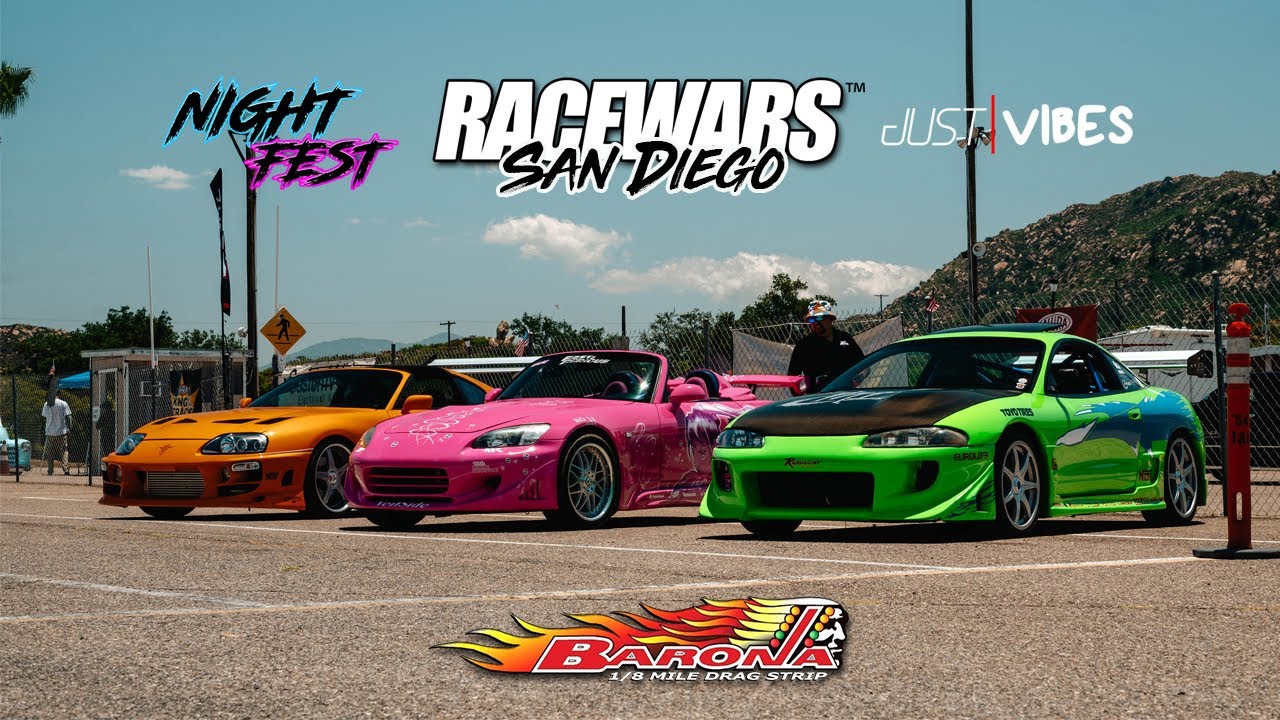
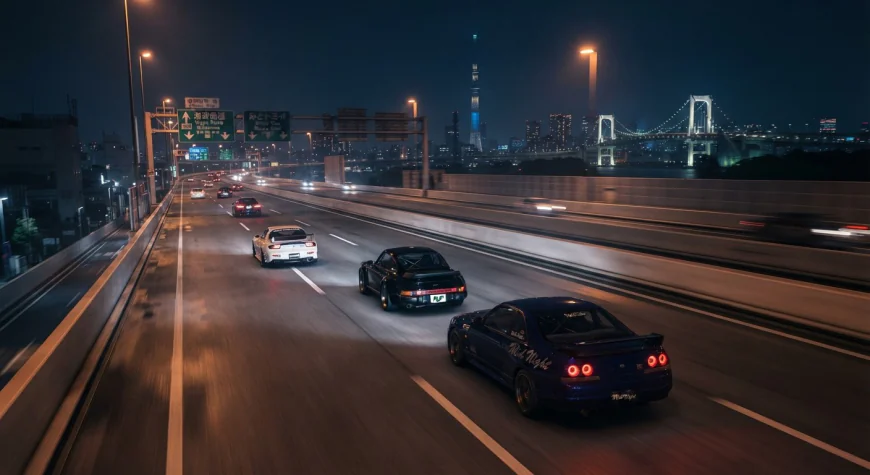
The machines were extraordinary for their era. Modified Porsche 911s, Ferrari Testarossas, Lamborghinis, and heavily tuned Japanese cars capable of genuine 300km/h runs were the currency of the club's hierarchy. The most famous car associated with the Mid Night Club is a gold-coloured Toyota Supra MK3 driven by a member known only as "the fastest man on the Wangan" — an identity never publicly confirmed, a driver who reportedly ran speeds the other members simply couldn't match. That mystique, the unknown identity behind an extraordinary machine, is exactly the kind of detail that makes the Mid Night Club's legend so enduring decades later.
What Were Their Rules?
The Mid Night Club operated under a strict internal code that most accounts from the era describe consistently. Members were prohibited from racing in rain or poor conditions. Racing near on-ramps or exits where other vehicles might enter unexpectedly was forbidden. The identities of other members were never to be revealed to outsiders. Runs were organised in managed groups rather than the chaotic free-for-alls associated with lower-level street racing. Whether these rules were followed to the letter by every member in every situation, or have been romanticised in the decades since, is genuinely debated — but the code itself was real and taken seriously within the group.
How Did the Mid Night Club End?
The club disbanded in 1999 following a fatal accident on the Wangan that killed an innocent third party. A collision during a high-speed run ended with a civilian death, and the club's leadership made the decision to dissolve the organisation entirely rather than continue. The disbandment was conducted solemnly rather than under police pressure — the club reportedly took genuine responsibility rather than simply going underground. Some members turned to legitimate track days; others stepped away entirely. It ended as deliberately as it had operated.
How Did the Mid Night Club Influence Car Culture?
The influence is enormous and continues through channels most modern fans never connect back to the original source. The manga and anime Wangan Midnight drew directly from the Mid Night Club's real-world existence, fictionalising specific elements while keeping the Wangan setting and the culture of wealthy, technically obsessive, quietly competitive racers intact. The video game Wangan Midnight Maximum Tune extends the same world into arcades across Japan and internationally. Even the broader Western cultural awareness of Japanese high-speed highway culture traces back partly to the story the Mid Night Club left behind before most Western audiences were watching.
Why Does the Story Still Resonate So Strongly?
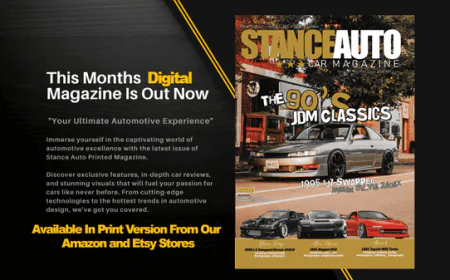
Because almost everything about it defies what popular culture expects street racing to look like. Wealthy, secretive, self-regulating, code-bound, operating almost invisibly for years, and ending in self-imposed dissolution rather than police crackdown — it's a fundamentally unusual story in a genre defined by chaos and confrontation. For anyone deep in car culture who hasn't properly researched this rabbit hole, it rewards the time. The 1990s specifically, when the Mid Night Club was at its most active, produced some of the most significant JDM machinery ever built — the cars covered in depth in our Stance Auto 90s JDM Classics magazine, the best-selling issue in our store and the most popular JDM magazine on Amazon right now.
Related Reads
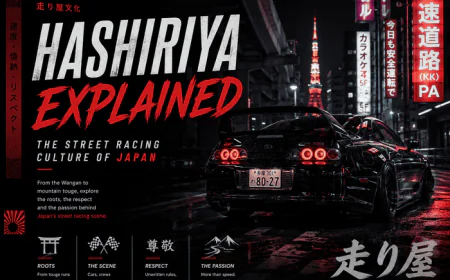
- Hashiriya Explained: The Street Racing Culture of Japan
- What Is Touge? The Mountain Pass Culture Explained
- What Is Kanjozoku? Osaka's Underground Highway Racing
- Toyota Supra MK4 Buyer's Guide
For more JDM culture and history, head back over to Stance Auto Mag.
 Like
0
Like
0
 Dislike
0
Dislike
0
 Love
0
Love
0
 Funny
0
Funny
0
 Angry
0
Angry
0
 Sad
0
Sad
0
 Wow
0
Wow
0