










































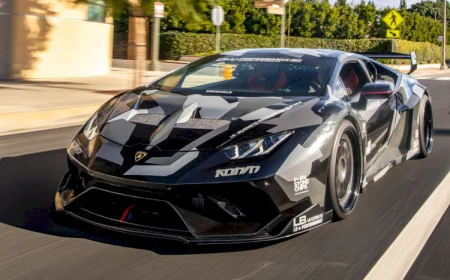




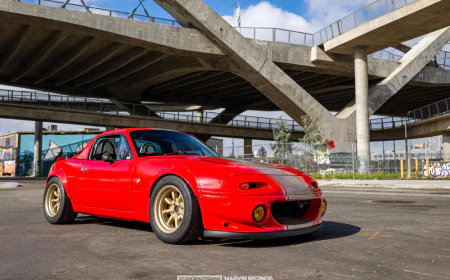
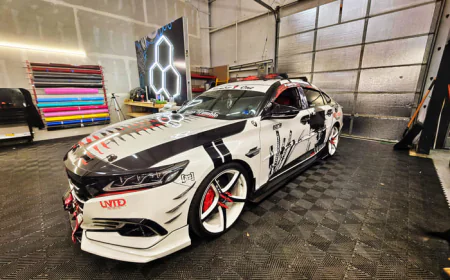

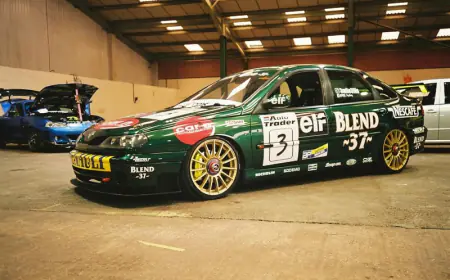
























.png)









![[HOONIGAN] Ken Block's GYMKHANA NINE](https://img.youtube.com/vi/_bkX5VkZg8U/maxresdefault.jpg)

























































![[HOONIGAN] KEN BLOCK'S GYMKHANA SEVEN: WILD IN THE STREETS OF LOS ANGELES](https://cdn.motor1.com/images/mgl/2KlO4/s1/ken-block-london-tour-directors-cut.jpg)



































What Is the Difference Between Liberty Walk and Rocket Bunny?
What is the difference between Liberty Walk and Rocket Bunny? We compare their widebody styling, design philosophy, cars, history and influence on modified car culture. Focus Keyword: Liberty Walk vs Rocket Bunny

Liberty Walk vs Rocket Bunny: What's the Difference?
The main difference is that Liberty Walk and Rocket Bunny are separate Japanese widebody brands with different design identities. Liberty Walk, founded by Wataru Kato, is particularly famous for its LBWK styling, exposed widebody hardware and its willingness to transform everything from Japanese performance cars to exotic supercars. Rocket Bunny is a brand from TRA Kyoto, led by Kei Miura, and is strongly associated with aggressive Japanese tuner, drift and motorsport-inspired styling.
Both companies create cars that are wide, low and difficult to ignore. Both have played a huge part in making Japanese-inspired widebody styling a global phenomenon. But the character of the finished cars can be quite different.
Liberty Walk has become especially famous for taking its Japanese custom-car philosophy and applying it to cars such as the Nissan GT-R, Lamborghini and Ferrari. Rocket Bunny has developed a particularly strong following around Japanese performance cars and the wider grassroots tuning scene.
So although the two names are often mentioned together, Liberty Walk and Rocket Bunny are not the same company, and their bodykits are not simply different versions of the same thing.
Who Are Liberty Walk?
Liberty Walk is the Japanese automotive styling company founded by Wataru Kato. Its identity is built around dramatic widebody conversions, aggressive stance and a very deliberate refusal to make a modified car look factory standard.
That philosophy has made LBWK one of the most recognisable names in modern car culture.
The company's influence is easy to see in the cars that have carried its bodywork. A Nissan GT-R can become dramatically wider and more aggressive, while a Lamborghini or Ferrari can be transformed from an exotic showroom car into something that looks like it belongs at the centre of a Tokyo car meet.
We've already looked at that story in more detail in Who Are Liberty Walk: The Bodykit Specialists, where we explore how the company developed its identity and why its approach became so recognisable.
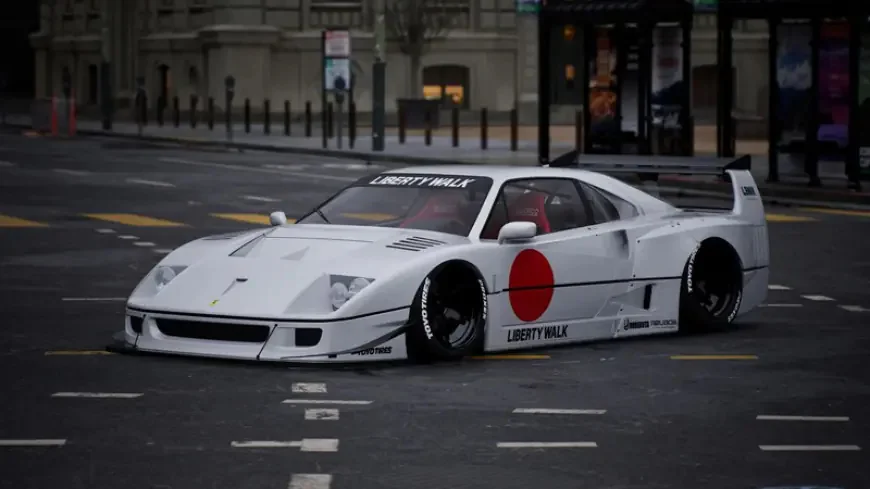
And if you want to see the philosophy rather than simply read about it, Stance Auto has plenty of real LBWK builds, including the 2005 Liberty Walk Ferrari F430, the Liberty Walk F40 and the Liberty Walk Skyline GTR34.
Who Are Rocket Bunny?
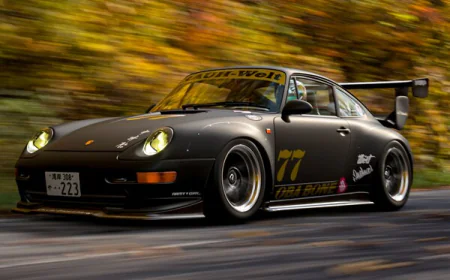
Rocket Bunny is a Japanese styling brand from TRA Kyoto, the company associated with designer Kei Miura.
The brand became hugely popular through aggressive widebody designs for Japanese performance cars, with its visual identity closely connected to the tuner, drift and motorsport side of car culture.
That distinction matters.
A Rocket Bunny car often feels as though it has been designed around the relationship between the bodywork, the wheels, the suspension and the road. The result can look almost like a race car that has escaped onto the street.
The cars themselves vary enormously, but the design philosophy tends to be unmistakable. Large arches, dramatic aero and an aggressive stance are used to completely change the proportions of the original car.
Rocket Bunny also sits alongside the Pandem name within the wider TRA Kyoto world, which is another reason people sometimes become confused about the different Japanese widebody brands.
Why Do Liberty Walk and Rocket Bunny Look Similar?
The reason they can look similar is simple: both have roots in a Japanese car culture where aggressive bodywork, wide wheels and low suspension have been part of the visual language for decades.
- Neither company invented the idea of making a car wider.
- Neither invented over-fenders.
- Neither invented the low, aggressive stance.
What Liberty Walk and Rocket Bunny did was take those ideas and develop them into internationally recognised brands.
That is a very different achievement.
Once a particular combination of arches, wheels, suspension and aero becomes associated with a company, enthusiasts begin to recognise the style before they even know which specific kit is fitted.
That's exactly what happened with LBWK and Rocket Bunny.
What Makes Liberty Walk Different?
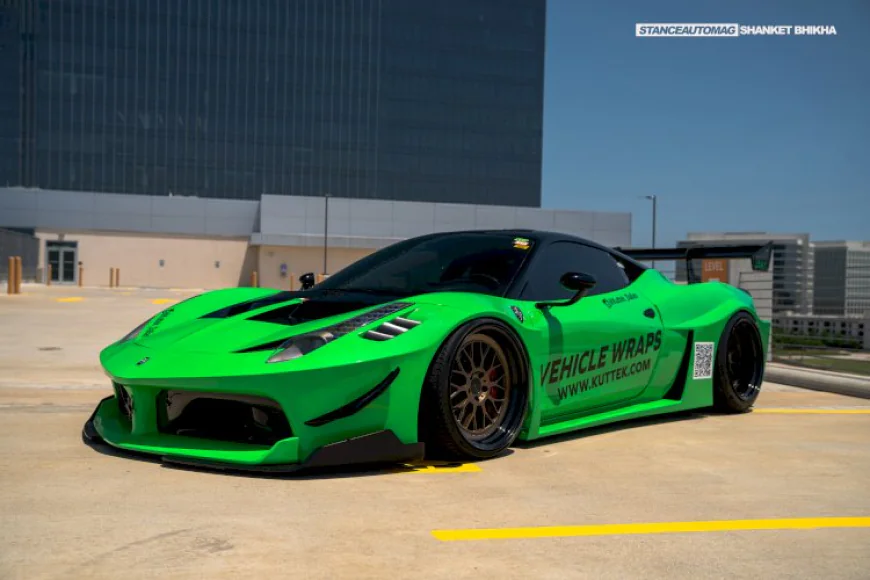
Liberty Walk has a particularly strong reputation for taking the Japanese widebody concept and pushing it into territory that traditionally belonged to exotic-car styling.
That is one of the things that made the company so controversial and, ultimately, so successful.
A Lamborghini is already an attention-grabbing car. A Ferrari is already designed to look dramatic. A Nissan GT-R already has an aggressive shape.
Liberty Walk asks what happens if you take those shapes and push them even further.
The answer is usually a car that looks wider, lower and much more theatrical.
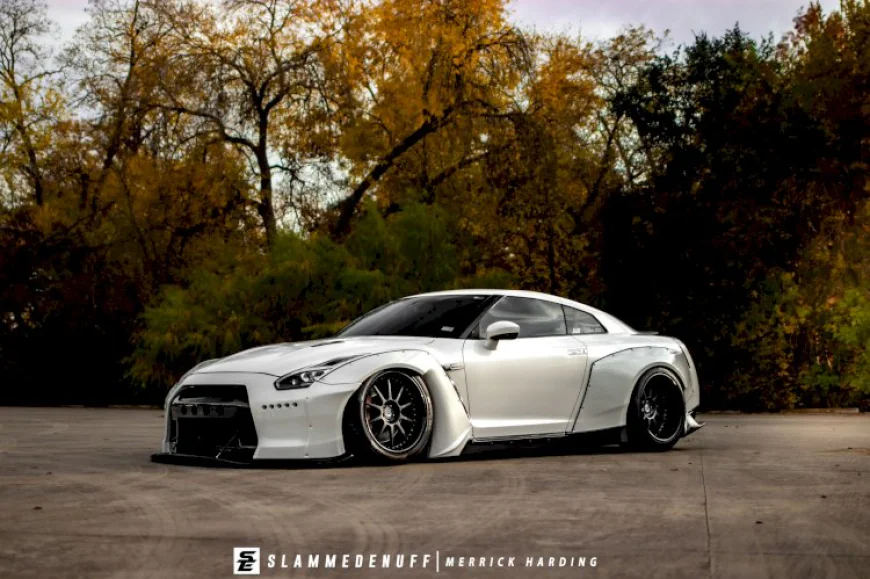
The Liberty Walk Lamborghini: How LBWK Changed Supercar Styling article goes deeper into that side of the story, while the Liberty Walk Nissan GT-R: The LBWK R35 Story looks at how the same philosophy works on one of Japan's most famous performance cars.
The difference is important because it shows that Liberty Walk isn't tied to one type of vehicle.
It is tied to an attitude towards modifying them.
What Makes Rocket Bunny Different?
Rocket Bunny has developed a particularly strong identity around Japanese performance cars and the grassroots tuning world.
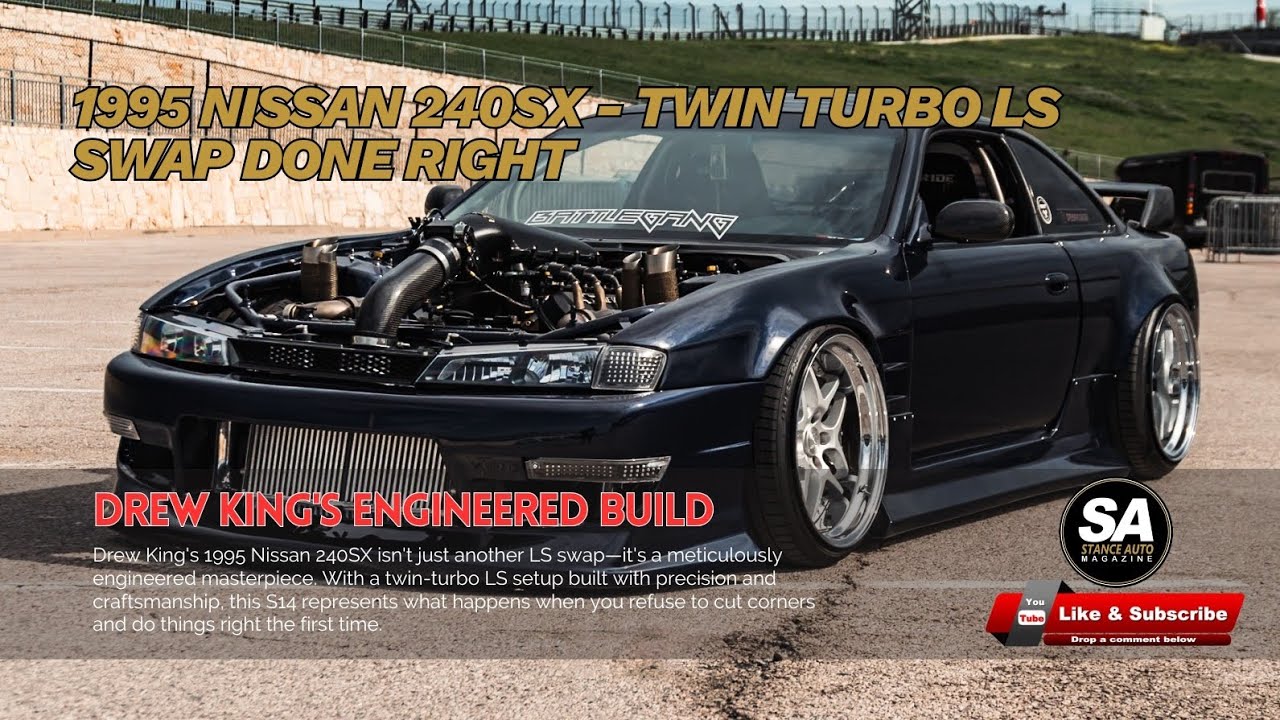
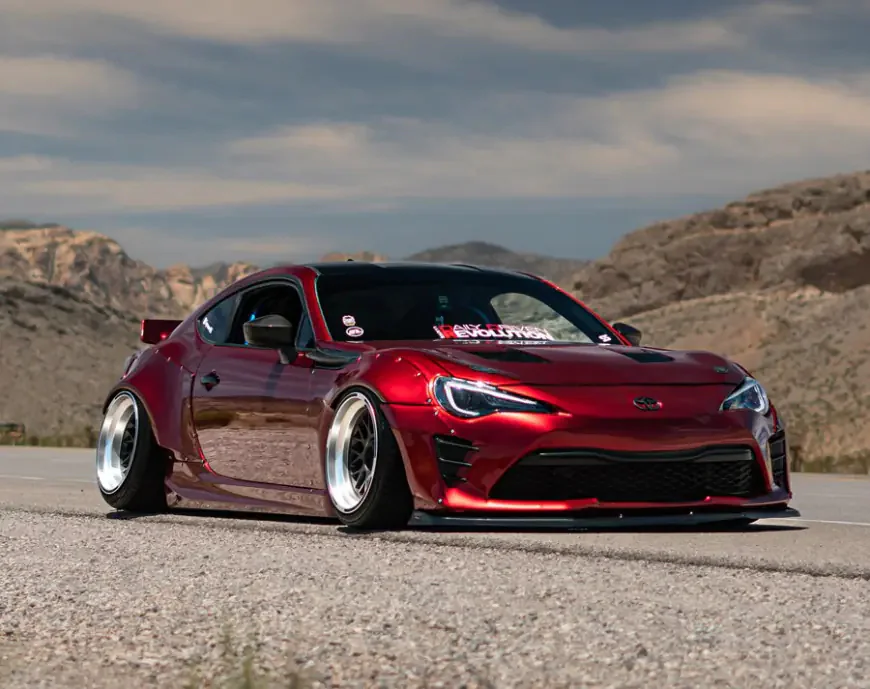
Think about the types of cars that have become associated with Rocket Bunny and the picture becomes clearer. The Toyota 86, Subaru BRZ, Nissan 240SX and other Japanese performance platforms fit naturally into the company's world.
These are cars that enthusiasts buy, modify, drive and take to meets or track events.
That gives Rocket Bunny a different cultural flavour from Liberty Walk's increasingly strong association with exotic supercars.
It doesn't mean Rocket Bunny can't look spectacular on a high-end car, or that Liberty Walk doesn't belong on a Japanese tuner.
It simply means each brand has developed its own visual territory.
Why Does Liberty Walk Use Exposed Rivets?
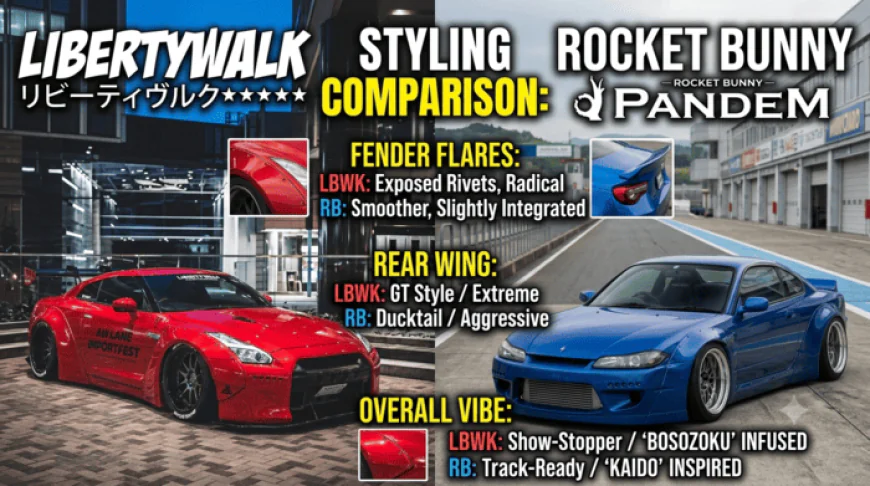
One of the easiest details to associate with a traditional Liberty Walk build is the exposed hardware around the wide fenders.
The point is not to hide the modification.
It is to celebrate it.
Instead of making the new arches appear as though they were designed by the manufacturer, the visible fasteners tell you immediately that somebody has deliberately changed the car.
That works particularly well with Liberty Walk's philosophy because the bodywork is supposed to be dramatic.
- The arches are part of the design.
- The wheels are part of the design.
- The low stance is part of the design.
Even the hardware becomes part of the design.
It gives the finished car a slightly industrial, hand-built character that contrasts with the polished appearance of many modern supercars.
Does Rocket Bunny Use Rivets Too?
Yes, and this is where things get interesting.
Rivets and exposed fasteners are not exclusive to Liberty Walk. Rocket Bunny and other widebody manufacturers have also used visibly attached over-fenders and similar construction details.
So if you see a car with rivets around its arches, don't immediately assume it is an LBWK.
Look at the whole car.
The shape of the fenders, the front bumper, side skirts, splitter, rear aero and overall proportions will tell you much more than one feature.
This is also why comparing photographs of complete cars is more useful than trying to identify a kit from one small detail.

Which Is More Aggressive: Liberty Walk or Rocket Bunny?
There isn't a simple answer.
Both companies have produced designs that are seriously extreme, and the finished appearance depends heavily on the specific car and the way the owner builds it.
Liberty Walk can look incredibly theatrical, especially when the kit is fitted to a Lamborghini, Ferrari or GT-R. The extra width can make the car look almost cartoonishly wide while still retaining enough of the original shape to be instantly recognisable.
Rocket Bunny can be every bit as aggressive, but the relationship between the bodywork and the performance-car aesthetic often gives the finished vehicle a more tuner or motorsport-inspired feel.
It is less about which company makes the most extreme kit.
It is more about what kind of extreme you prefer.
Liberty Walk vs Rocket Bunny on Japanese Cars
This is where the comparison becomes much harder.
Put a Liberty Walk Nissan GT-R beside a Rocket Bunny Japanese performance car and both can have the same basic ingredients: wide arches, deep wheels, low suspension and aggressive aero.
The difference comes from the details.
Liberty Walk's design language tends to emphasise the complete visual transformation of the car. Rocket Bunny often feels more tightly connected to the tuner and motorsport world that surrounds the cars it modifies.
Neither approach is automatically better.
It comes down to what you want the finished car to say.
If you want a car that looks like a dramatic automotive sculpture, Liberty Walk may be the direction you prefer.
If you want something that looks like it could roll straight into a Japanese track paddock or drift meet, Rocket Bunny may have the edge.

Liberty Walk vs Rocket Bunny on Supercars
This is where Liberty Walk has carved out a particularly strong identity.
The company became famous for taking cars that many enthusiasts believed should never be modified and modifying them anyway.
The Ferrari is perhaps the perfect example.
The 2005 Liberty Walk Ferrari F430 on Stance Auto tells the story particularly well. The car wasn't simply fitted with a kit and forgotten about. Its owner went through a long process of repairing, rebuilding and refining the car until the finished result became something completely personal.
That is an important part of the LBWK story.
- The bodykit is only the beginning.
- The owner still has to decide what the car becomes.
The same idea is taken to an even more controversial extreme with the Liberty Walk F40, where the company applied its philosophy to one of Ferrari's most revered shapes.
That sort of project is difficult to imagine without Liberty Walk's particular willingness to challenge the idea of what an exotic car should be.
What About the Nissan GT-R?
The Nissan GT-R is where Liberty Walk's Japanese roots and its international identity meet particularly well.
The R35 was already one of the most recognisable performance cars of its generation. Adding an LBWK widebody treatment gave owners a way to make the car visually match the aggression people already associated with its performance.
We've covered that transformation in Liberty Walk Nissan GT-R: The LBWK R35 Story.
Stance Auto also has real owner stories that show how different the LBWK approach can look from one car to another. The Liberty Walk Skyline GTR34: Owning My Dream Car is a particularly good example because the build is tied to the owner's childhood memories and personal connection with the Skyline.
That is ultimately what both Liberty Walk and Rocket Bunny are selling.
Not just panels.
Possibility.
Is Rocket Bunny Cheaper Than Liberty Walk?
It isn't sensible to say that one brand is always cheaper because the final cost depends on the specific car, the kit, the material, the wheels, suspension, paint or wrap, installation and the amount of fabrication required.
The price of the bodykit is only one part of the project.
A widebody build can quickly become much more expensive once you start changing wheels, suspension, brakes, exhaust, interior and paintwork to make everything work together.
That is one reason it is worth looking beyond the kit price when deciding between brands.
The cheapest route to a widebody car is rarely the best route to a good widebody car.
Which Brand Has the Better Style?
This is where there is no objective answer.
- If you like dramatic supercars, enormous proportions and the unmistakable LBWK look, Liberty Walk is probably going to appeal to you more.
- If your taste leans towards Japanese performance cars, aggressive tuner styling and a stronger motorsport influence, Rocket Bunny may be more your thing.
And there is nothing wrong with liking both.
In fact, understanding the difference between the two is more interesting than simply picking a winner.
They represent different branches of the same enormous modified-car culture.
Liberty Walk, Rocket Bunny and the Influence of Japanese Car Culture
The really interesting part of this comparison is what both brands have done to the wider car scene.
Japanese tuning culture has influenced enthusiasts around the world for decades, but Liberty Walk and Rocket Bunny helped turn particular aspects of that culture into globally recognised design languages.
Widebody cars stopped being something you only saw at specialist meets.
They became part of mainstream automotive photography, SEMA culture, social media and modern car shows.
A generation of enthusiasts grew up seeing cars with enormous arches, deep wheels and aggressive aero and thinking that this was simply another legitimate way to build a car.
That is a significant cultural shift.
So, Which One Should You Choose?
If you're choosing a bodykit for your own car, start with the car rather than the badge.
Look at the original proportions.
Think about how you want the finished vehicle to look.
Consider whether you want something that feels like an exotic show car, a Japanese tuner build, a motorsport-inspired machine or something that sits somewhere between all three.
Then look at the available kits.
A great bodykit should make the original car look better, not simply make it wider.
That is true whether you choose Liberty Walk, Rocket Bunny, Pandem or another manufacturer.
The best builds are the ones where the entire car looks intentional.
The Real Difference Between Liberty Walk and Rocket Bunny
So, what is the difference between Liberty Walk and Rocket Bunny?
Liberty Walk is a Japanese widebody brand founded by Wataru Kato that has become particularly famous for its dramatic LBWK styling and its transformation of Japanese performance cars and exotic supercars. Rocket Bunny is a TRA Kyoto brand associated with Kei Miura and has developed a particularly strong identity around aggressive Japanese performance-car, tuner and motorsport styling.
- Both use widebody design to change the proportions of a car.
- Both can use exposed hardware.
- Both can create extremely low and aggressive builds.
- Both have influenced car culture far beyond Japan.
But they have developed different personalities.
Liberty Walk has become the name many people associate with the idea of taking a Lamborghini, Ferrari or GT-R and turning it into an outrageous widebody statement.
Rocket Bunny has become deeply associated with the Japanese tuner and performance-car scene, where aggressive bodywork, wheels, suspension and motorsport influence all come together.
Neither is simply better.
They are different interpretations of the same fundamental idea:
Take the car you have and make it your own.
And that is probably the most important thing both brands have contributed to modern car culture.
For more Liberty Walk stories, take a look at How Did Liberty Walk Become Famous in America? and Who Are Liberty Walk: The Bodykit Specialists.
If you're interested in the cars themselves, explore the Liberty Walk F40, 2005 Liberty Walk Ferrari F430 and Liberty Walk Skyline GTR34 features here on Stance Auto.
 Like
0
Like
0
 Dislike
0
Dislike
0
 Love
0
Love
0
 Funny
0
Funny
0
 Angry
0
Angry
0
 Sad
0
Sad
0
 Wow
0
Wow
0