



























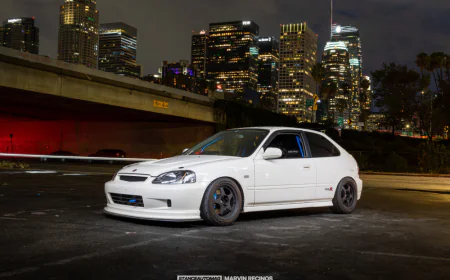
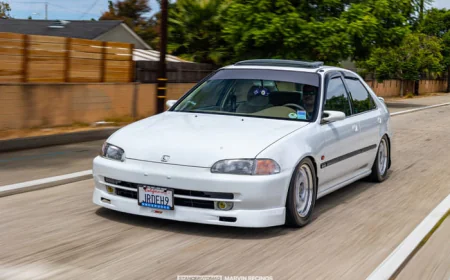
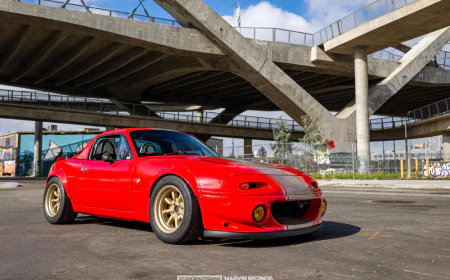
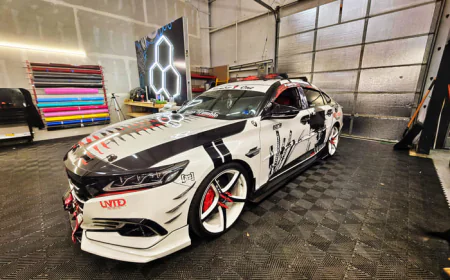




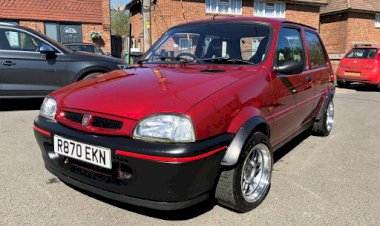
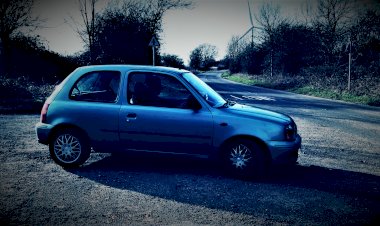

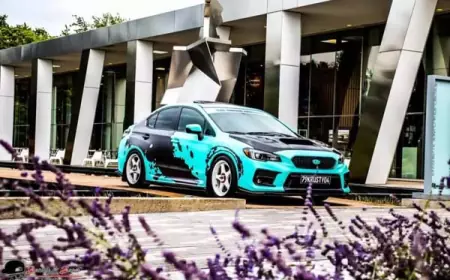


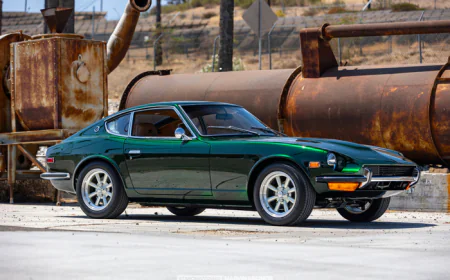
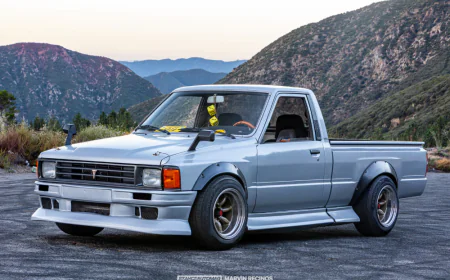
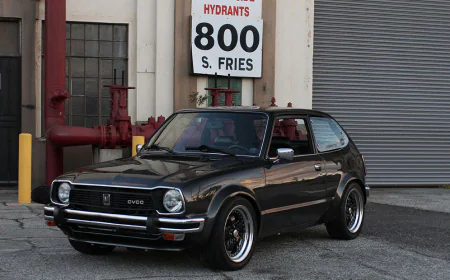
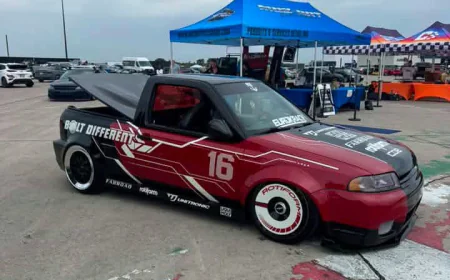
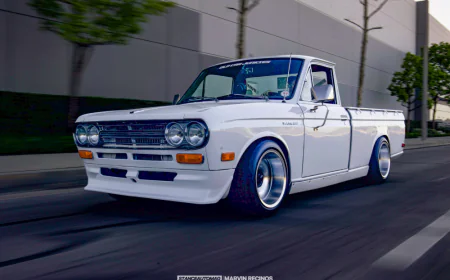










.png)








![[HOONIGAN] Ken Block's GYMKHANA NINE](https://img.youtube.com/vi/_bkX5VkZg8U/maxresdefault.jpg)
























































![[HOONIGAN] KEN BLOCK'S GYMKHANA SEVEN: WILD IN THE STREETS OF LOS ANGELES](https://cdn.motor1.com/images/mgl/2KlO4/s1/ken-block-london-tour-directors-cut.jpg)
































JDM vs USDM: The Differences That Actually Matter
JDM vs USDM explained, from drive side and engines to names, lights and parts. See what really separates Japanese and American market cars.
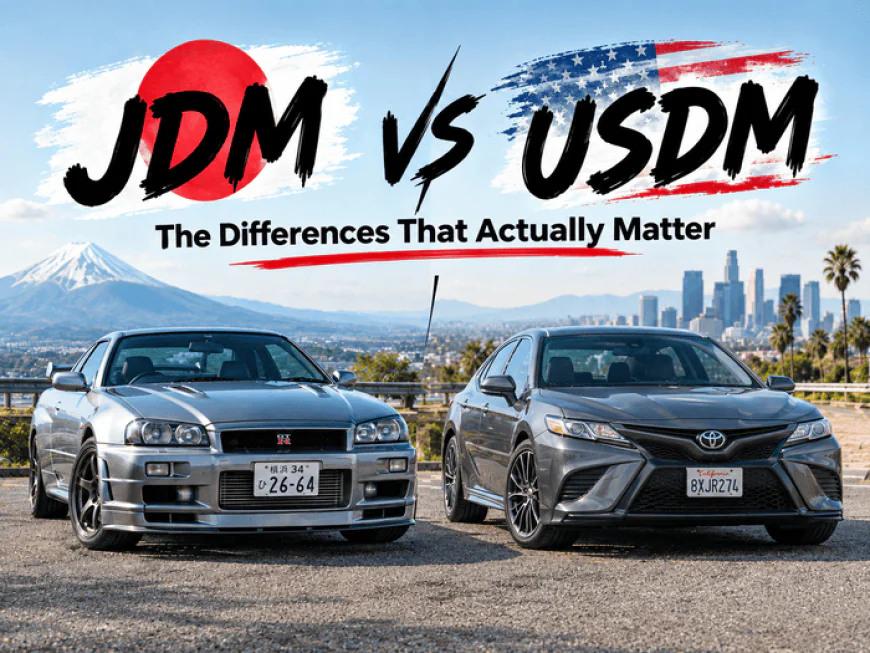
Pull up any forum thread about a Japanese sports car and sooner or later somebody starts the JDM vs USDM argument. One side says the Japanese cars got everything good. The other says the American ones are easier to live with and cheaper to fix. Both sides are partly right, and both are often missing the point. This guide breaks down what really separates the two, from the way the cars are built to the way they are named. If you want the full alphabet first, our guide to what USDM, JDM, EDM and the other codes mean covers the basics.
JDM vs USDM: What the Letters Mean
JDM stands for Japanese Domestic Market, and USDM stands for US Domestic Market. They describe the same idea from two different places. JDM cars were built for sale in Japan. USDM cars were built for sale in the United States. The two terms are unofficial and were popularised by enthusiasts, and Wikipedia's page on the US domestic market describes them as terms used mainly by car fans. Because the rules in each country are different, a car sold in both places often has to be built in two versions, which is where the whole JDM vs USDM argument starts.
Drive Side and Dash
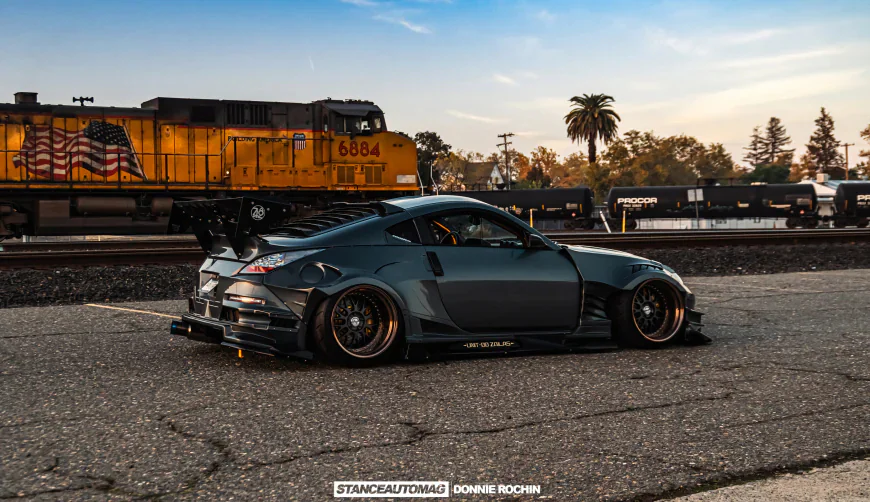
The most obvious difference is which side the steering wheel sits. Japan drives on the left, so JDM cars are right-hand drive. America drives on the right, so USDM cars are left-hand drive. Speedometers differ too, with JDM cars showing kilometres per hour and USDM cars showing miles per hour. If you ever sit in a JDM car in America, you quickly learn how much of daily driving is built around the driver's side, from drive-through windows to the position of the indicator stalks.
Lights, Bumpers and Regulations
American rules shape the look of US cars. According to Wikipedia, the US versions of lights and bumpers differ from European standards, and manufacturers often build separate versions of a model for the US and Europe because of it. The conversion to US federal rules is often called federalisation. JDM cars follow Japanese rules, which have their own size and safety requirements. This is why you can spot a car's market from a glance at the front end, and why swapping lights or bumpers between markets is rarely a bolt-on job.
Engines, Power and Performance
Here is where the JDM vs USDM argument gets heated. From around 1988, Japanese makers kept to a voluntary agreement that capped advertised power at 280PS, about 276bhp, and top speed at 180km/h. The power cap faded out in the mid two thousands. That is why so many JDM legends show a modest number on paper and make a lot more with a tune. American market versions of the same cars could have different engines, different tuning for fuel and emissions, and sometimes different power figures from their Japanese cousins. So a USDM car is not automatically slower or worse; it is built for different rules and different fuel. If you want more power from either version, our guide to the best mods for more horsepower is a good place to start.
Names and Badges
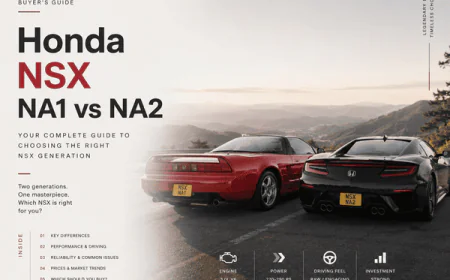
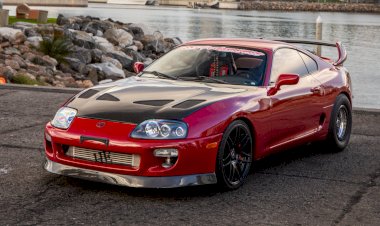
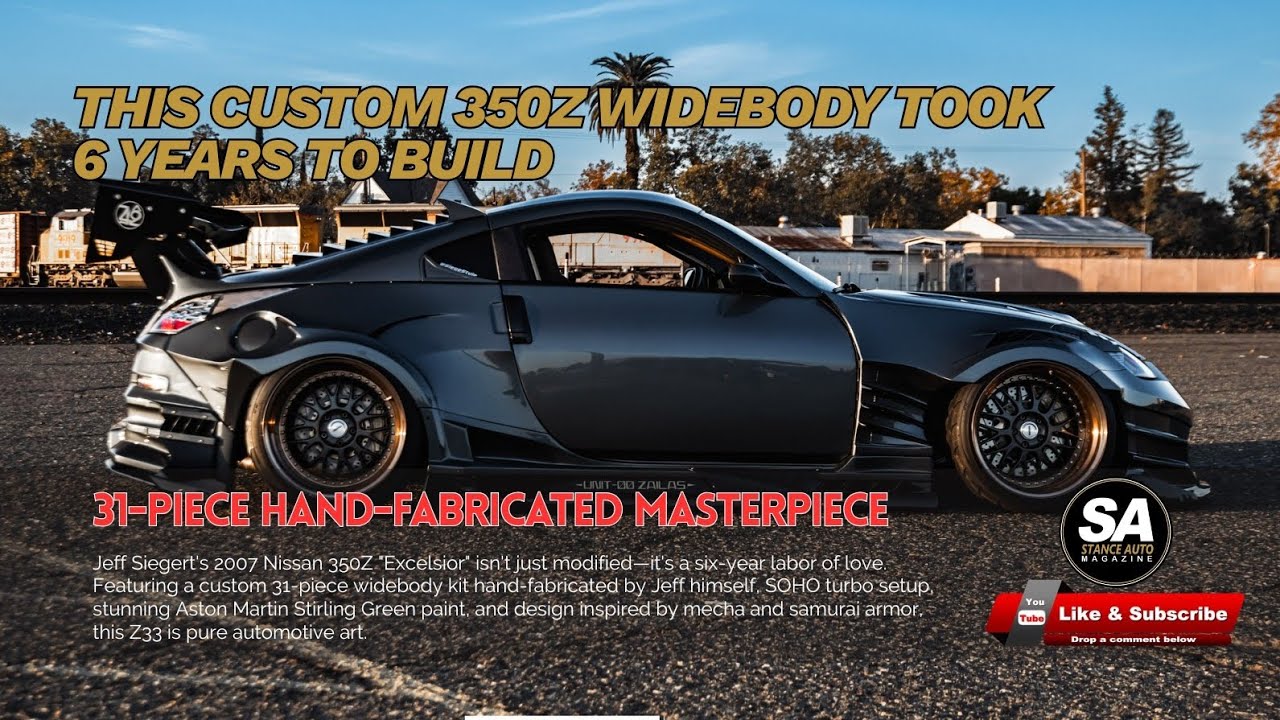
Names change from market to market, and nothing causes more confusion in a JDM vs USDM debate. The car Japan calls the Fairlady Z was sold elsewhere as the 350Z. The Honda NSX wore an Acura badge in America. The Mazda MX-5 was sold in Japan as the Eunos Roadster for years. When someone says a car is a JDM version, they usually mean the Japan spec version of a model that may have been sold under a different name overseas. Always check the exact model code and not only the badge when you compare two cars.
Parts and Compatibility
If you are building a car, this is the section that saves you money. Parts from a JDM car do not always fit a USDM car, even when the two look identical. Lights, bumpers, ECUs, mirrors and interior pieces can all differ because of drive side and local rules. Swapping them usually works, but expect adapters, extra wiring or fabrication. In Japan, USDM has even become its own dress-up scene, where owners fit genuine American spec parts to right-hand-drive Japanese cars. Whichever way you go, check part numbers and compatibility before you buy.
Which Is Better: JDM or USDM?
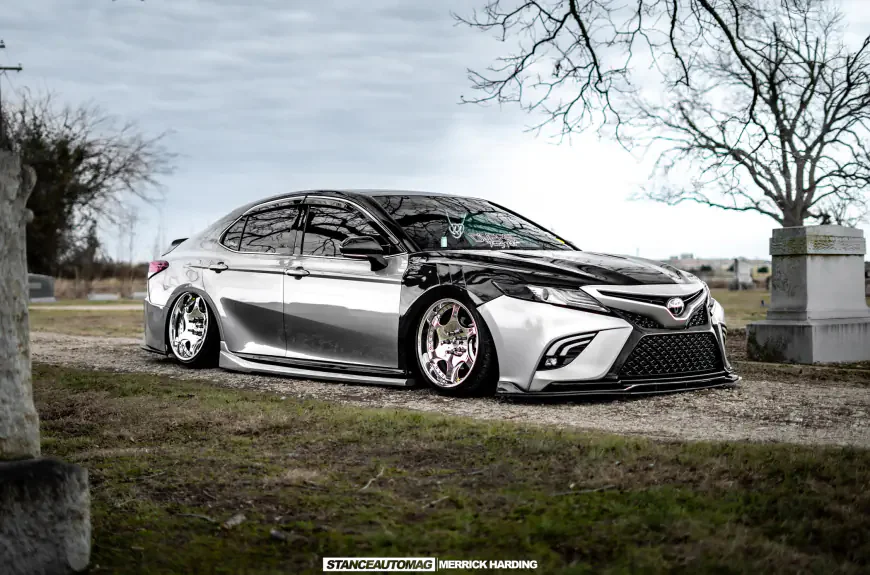
Neither wins outright. JDM cars bring rarity, Japan-only models and trim levels, and the thrill of owning something most people cannot buy locally. USDM cars bring easy parts supply, simple insurance and registration in America, and a dealer network that knows them. If you live in the UK, the same logic applies to UK spec cars, because a right-hand-drive JDM import suits British roads. The best car is the one you can actually buy, register, insure and fix in the place you live. If you are shopping, our list of the best JDM cars under 15k shows where the value is.
Frequently Asked Questions
What is the main difference in JDM vs USDM?
The main difference is who the car was built for. JDM cars are made for Japan, with right-hand drive and Japanese rules. USDM cars are made for America, with left-hand drive and US rules.
Are JDM cars faster than USDM cars?
Not always. Japanese makers capped advertised power for years, but real output often exceeded it, and USDM versions can have different engines and tuning. Compare the specific models, not the labels.
Can I put JDM parts on a USDM car?
Often yes, but not always without work. Lights, bumpers and electronics can differ, so check part numbers and fitment before you buy.
Is a JDM car legal in the US?
It depends on the car's age and how it is imported. Many Japanese cars become legal once they are old enough under US import rules. Our guide to the 25 year rule explains how that works.
Final Thoughts
The JDM vs USDM debate will never end, and that is half the fun. Understanding the real differences, from drive side and regulations to names and parts, makes you a smarter buyer and a better builder. If you like the story of how the two worlds clash, have a read of our JDM vs the World feature and Muscle Cars vs JDM Cars. Then pick up the latest issue of Modified Car Magazine, browse our printed magazines or visit the Stance Auto Magazine store and the home of Stance Auto Magazine.
 Like
0
Like
0
 Dislike
0
Dislike
0
 Love
0
Love
0
 Funny
0
Funny
0
 Angry
0
Angry
0
 Sad
0
Sad
0
 Wow
0
Wow
0