


















.png)





![[HOONIGAN] Ken Block's GYMKHANA NINE](https://img.youtube.com/vi/_bkX5VkZg8U/maxresdefault.jpg)





























![[HOONIGAN] KEN BLOCK'S GYMKHANA SEVEN: WILD IN THE STREETS OF LOS ANGELES](https://cdn.motor1.com/images/mgl/2KlO4/s1/ken-block-london-tour-directors-cut.jpg)






















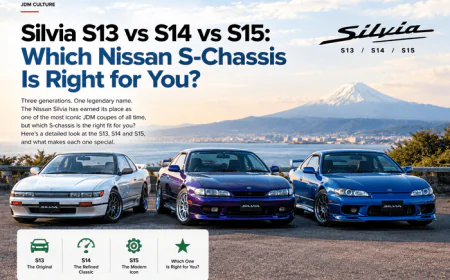
Silvia S13 vs S14 vs S15: Which Nissan S-Chassis Is Right for You?
Silvia S13 vs S14 vs S15 compared: engines, power, names by market, import rules and which Nissan S-chassis is the best buy for your build.
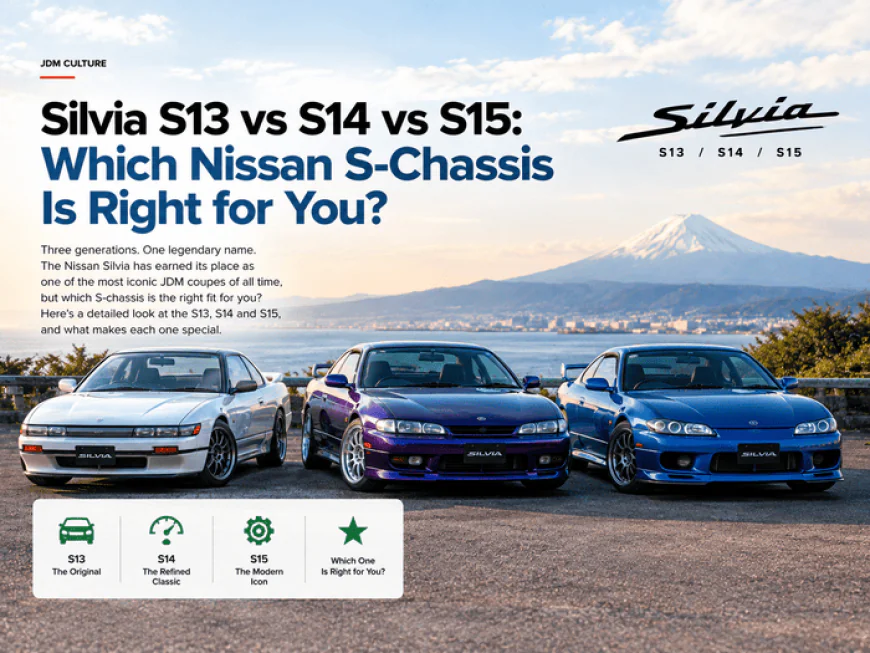
Quick answer: the S13 is the lightest and cheapest way into the S-chassis, the S14 is the most misunderstood and often the best value, and the S15 is the one everybody wants and pays a premium for. All three are Rear Wheel Drive, all three run a Nissan four-cylinder, and the names change depending on where in the world the car was sold. Here is how the three compare.
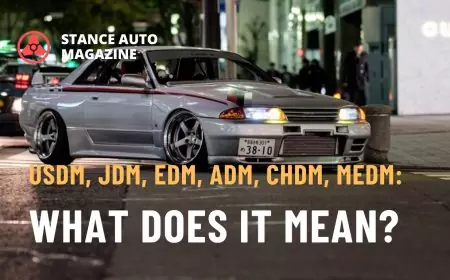
Pick any drift meet, any Japanese car show or any Tokyo Auto Salon feed and you will see the same argument start. S13 vs S14 vs S15, which Silvia is best. The honest answer is that it depends on what you want, what you can afford and where you live, because the three generations were sold under different names in different countries. This guide walks through each one, the engines, the market differences and the buying advice, so you can make up your own mind. If the codes like JDM and USDM still confuse you, start with our guide to what USDM, JDM, EDM and the other codes mean.
S13 vs S14 vs S15: The Short History
The Nissan S-chassis family covers a long line of small Rear Wheel Drive coupes, and the three that matter most to the modified scene are the S13, S14 and S15. According to the Nissan S platform entry on Wikipedia, the S13 Silvia was sold in Japan from 1989 to 1993, the S14 from 1994 to 1998 and the S15 from 1999 to 2002. The S13 also came as a sister car called the 180SX, a fastback with pop up headlights that stayed on sale until 1998. Each generation got more power, more grip and a bigger turbo than the one before, but they are also very different cars to live with.
Nissan Silvia S13: The Classic
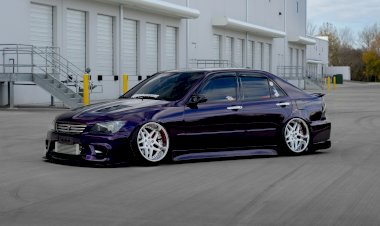
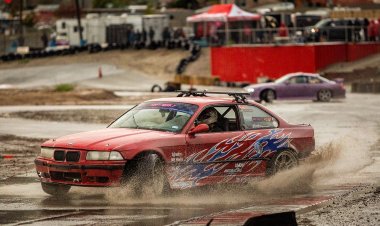
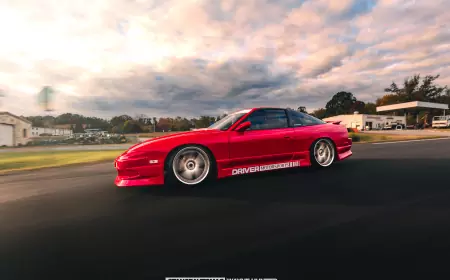
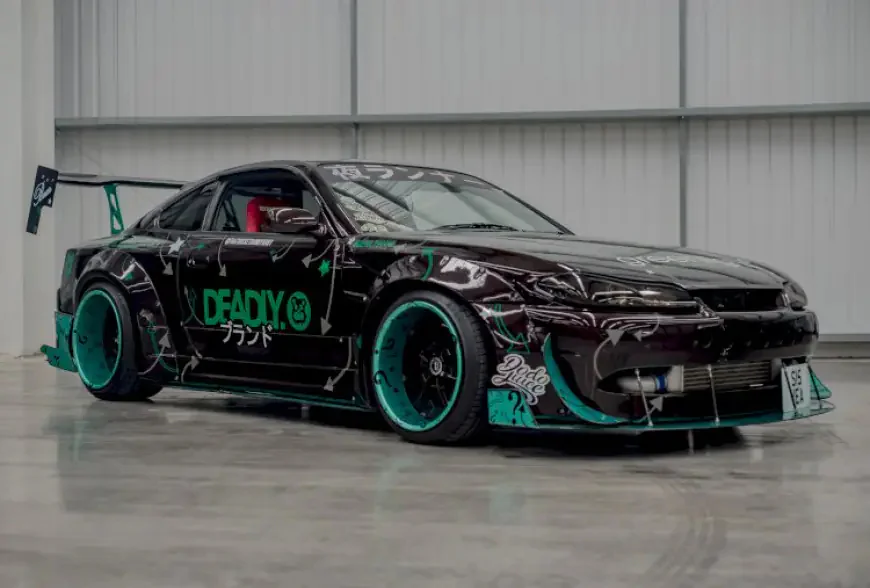
The S13 is the car that built the legend. It came with a 1.8 litre turbo CA18DET engine at first, then switched to the 2.0 litre SR20DET in 1991. That engine made around 205PS in Japanese specification and sits in a small, light body with one of Nissan's first multi-link rear suspensions. The Silvia has fixed headlights, while the 180SX is a hatchback with pop-ups, and many owners swap the front ends to make a Sileighty. The S13 is also the cheapest of the three to buy in most markets, the easiest to find parts for and the most forgiving to learn on, which is why so many first drift cars are S13S. The trade-off is age. Rust, tired suspension and years of hard use are common, so inspect before you buy. If you are chasing a project on a tight budget, have a look at our list of the best budget drift cars under 3k.
Nissan Silvia S14: The Underrated One
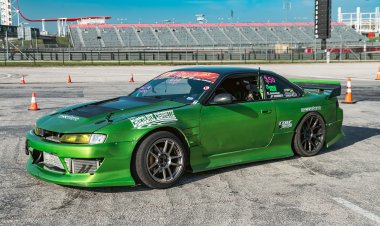
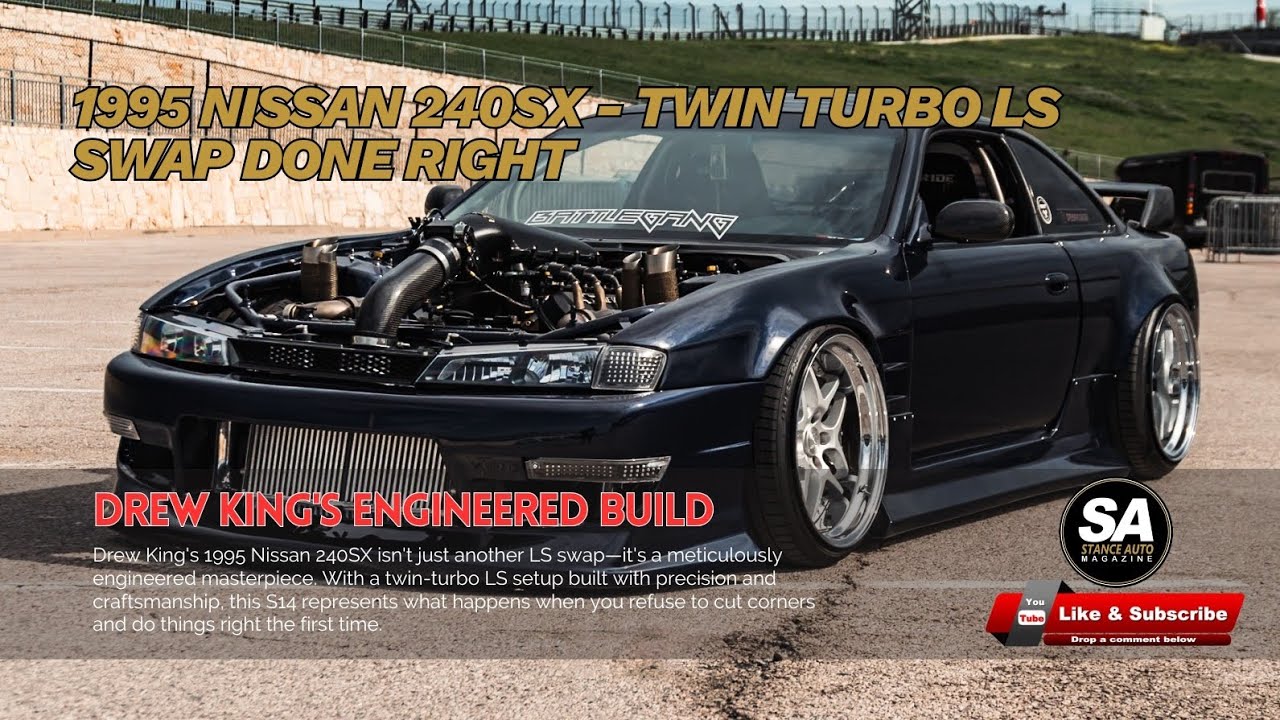
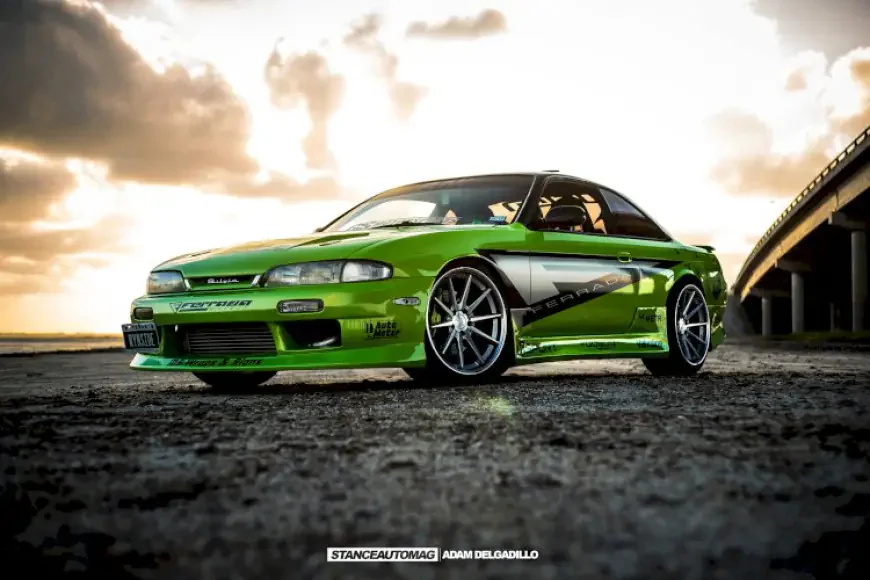
The S14 arrived in 1993 in Japan and ran through two body styles, the early zenki from 1993 to 1996 and the later kouki from 1996 to 1998. It kept the SR20DET and added a bigger turbo than the S13, and the shape is longer, lower and wider. People love to argue about the styling, particularly the Zenki front end, but the car underneath is a clear step up on the S13 for stability and usable power, and prices have often stayed lower than the other two. In Europe and Australasia, the S14 was sold as the 200SX with the turbo engine, and in the USA it was the 240SX with a different 2.4 litre engine. If you are looking for a first build that does not cost S15 money, the S14 deserves a proper look. Our guide to the best first car modifications under 5k covers where to start.
Nissan Silvia S15: The Icon
The S15 is the last and best known of the three. It was sold in Japan from 1999 to 2002 with two main versions. The Spec-S had the naturally aspirated engine, while the Spec-R had the turbocharged SR20DET with a revised turbo and intercooler and about 250PS, along with a six speed gearbox. That makes the S15 Spec-R the most sought after and the most expensive S-chassis, and it commonly sells for a premium over a comparable S14 in export markets. The S15 was never officially sold in Europe or the USA. It was sold in Australia and New Zealand as the 200SX, which is why you see so many there, and everywhere else it arrives as an import.
Engines and Power Compared
All three use a four cylinder Nissan engine, so the differences are about size, turbo and tuning rather than layout. The S13 started with the 1.8 litre CA18DET and moved to the 2.0 litre SR20DET in 1991 at around 205PS. The S14 kept the engine with a bigger turbo, and the S15 Spec-R took it to roughly 250PS with the six speed. Japanese cars in this period also followed the voluntary 280PS power agreement, which is why the numbers stop where they do. If you want more from any of the three, our guide to the best mods for more horsepower is a good next read. Remember that power figures differ by market, so a European 200SX, an American 240SX and a Japanese Silvia can feel quite different even when they look the same.
Names by Market
The names are where most people get confused. In Japan you have the Silvia and the 180SX. In Europe and Australasia the cars were sold as the 200SX, and the early S13 version in Europe used the 1.8 litre turbo engine. In North America the S13 and S14 were sold as the 240SX with a 2.4 litre engine instead of the SR20DET, which is the main reason so many American builders swap one in. The S15 was only sold new in Japan and in Australia and New Zealand. So when you ask S13 vs S14 vs S15 the answer changes depending on which badge is on the car and which country it was built for. To tell which one you are looking at, read our guide on how to tell if a car is really JDM.
Import Rules and Legality
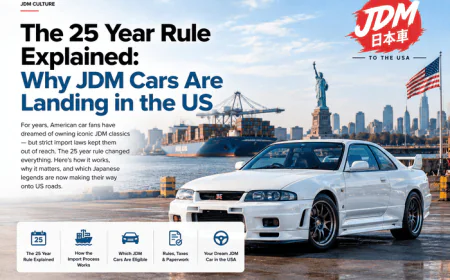
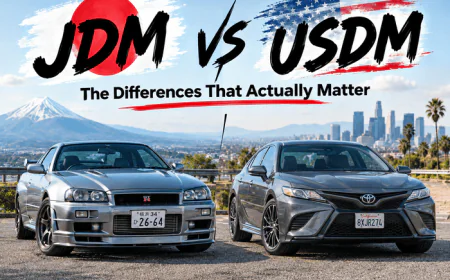
Where you live decides which of the three you can actually own. In the USA, the S13 is eligible, the S14 became eligible from 2018, and the S15 began to become eligible from 2024 as each build month passed 25 years. Our guide to the 25 year rule explains how that works. In the UK there is no age based exemption like that, so imports follow the standard process of telling HMRC, paying any VAT and duty, getting vehicle approval and registering with DVLA. For the differences between Japanese and American versions, see JDM vs USDM.
Which One Should You Buy?
If you have a small budget and want to learn, buy the S13 or the 180SX, then keep money aside for rust and suspension. If you want the best balance of price and capability, buy a good S14, ideally a later one with solid paperwork. If you want the icon and can afford it, buy the S15 Spec-R, but be careful of overpriced and heavily modified cars. Whichever you choose, check the chassis plate, the paperwork and any signs of crash repair or hard drift use before you commit. Our list of the best JDM cars under 15k shows where else your money could go, and if you are weighing up another legend, see our Skyline R32 vs R33 vs R34 comparison.
Frequently Asked Questions
What is the main difference in S13 vs S14 vs S15?
The S13 is the lightest and oldest, the S14 is longer and wider with a bigger turbo, and the S15 is the last and most powerful, with the Spec-R making about 250PS and a six-speed gearbox.
Is the 180SX the same as the Silvia?
They share the S13 platform, but the 180SX is a fastback hatchback with pop-up headlights and the Silvia is a coupe with fixed headlights. Many owners swap front ends to make a Sileighty.
Was the S15 sold in the UK or the USA?
No. The S15 was only sold new in Japan and in Australia and New Zealand, so any in the UK or the USA are imports.
Is a 240SX the same as a Silvia?
The 240SX is the North American version of the S13 and S14, but it came with a 2.4-litre engine instead of the SR20DET, so it is not identical to the Japanese Silvia.
Final Thoughts
The S13 vs S14 vs S15 debate will keep going as long as people tune and drift these cars, and that is part of the appeal. The S13 is the cheap and cheerful starting point, the S14 is the smart value buy and the S15 is the icon. Check the market, the engine, the paperwork and the condition before you buy, and you will find the right one for you. For more, pick up the latest issue of Modified Car Magazine, browse our printed magazines, visit the Stance Auto Magazine store and the home of Stance Auto Magazine.
 Like
0
Like
0
 Dislike
0
Dislike
0
 Love
0
Love
0
 Funny
0
Funny
0
 Angry
0
Angry
0
 Sad
0
Sad
0
 Wow
0
Wow
0